











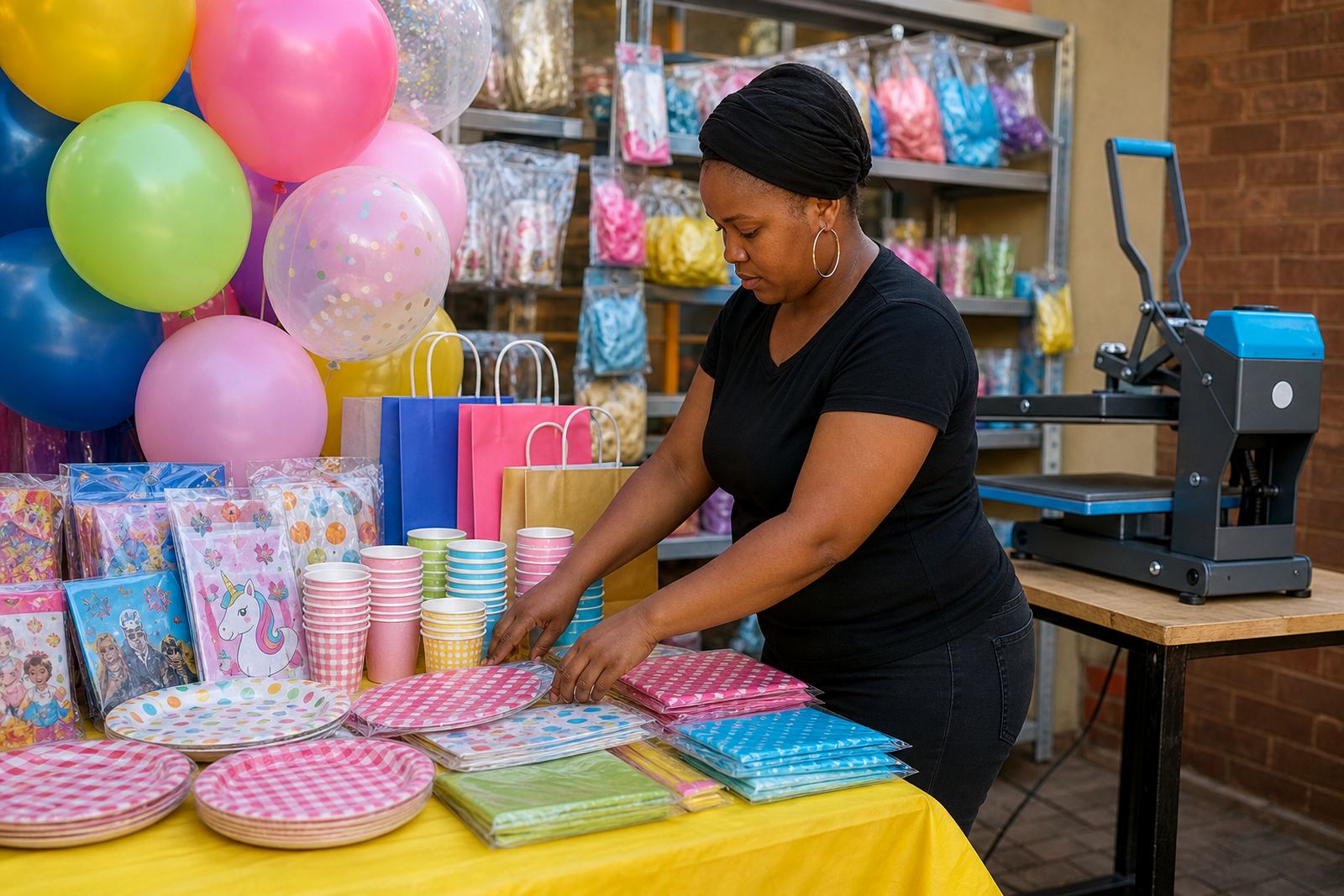
A store for traders who sell day to day
Not every trader needs a large catalogue or a complicated setup. Many only need a few pages that show what they sell, what it costs, how customers place an order and where delivery fits in. That is where a simple store works well, especially for spaza shops, home bakers, clothing sellers, salon product resellers and other informal businesses that handle orders in a practical way.
SellThat is built for this kind of trading. The pages can be arranged so a customer sees the product, checks the price and sends a WhatsApp message with less fuss. If your stock changes often, the store can be kept light and clear, with the useful details up front.
How different traders use the same store setup
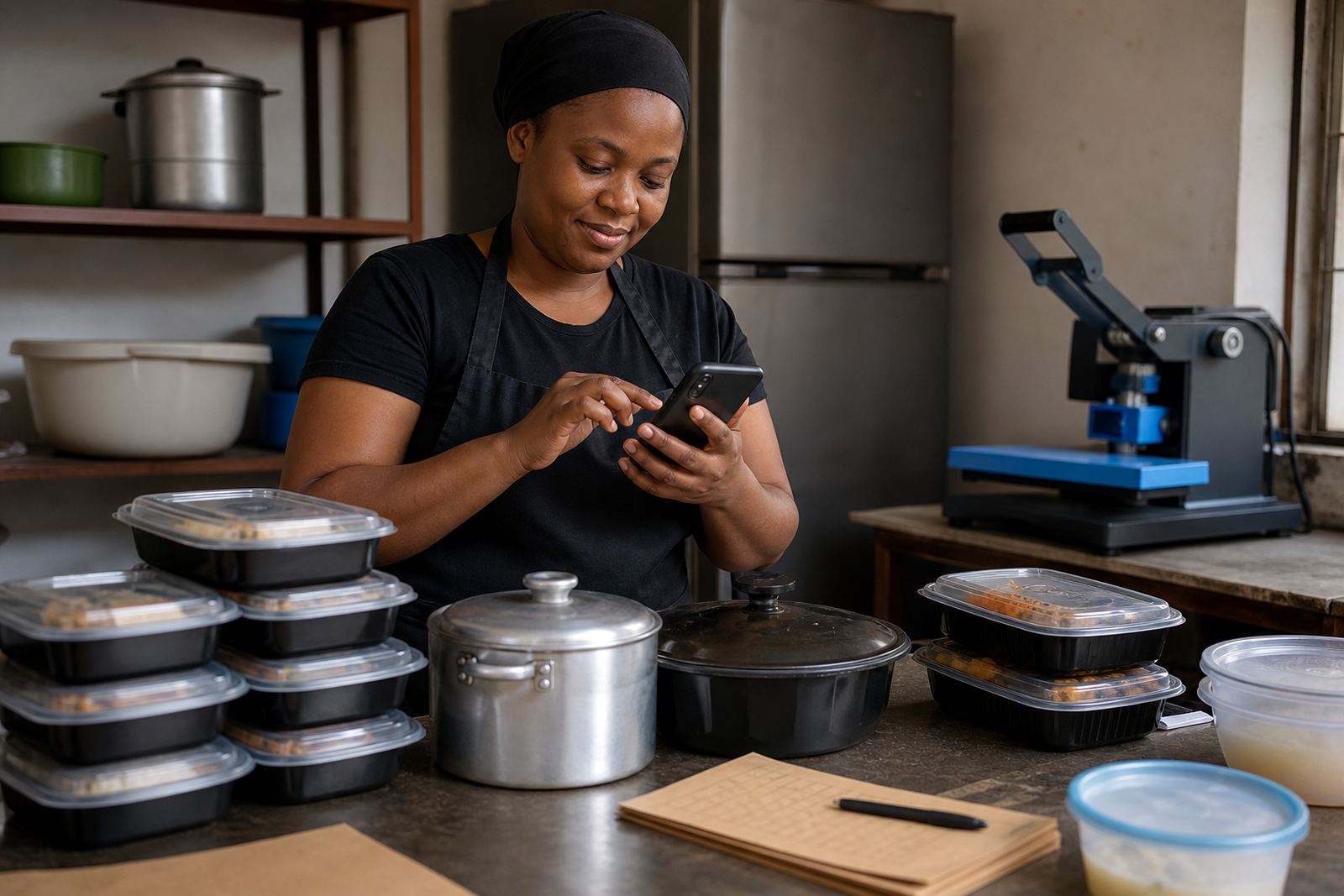
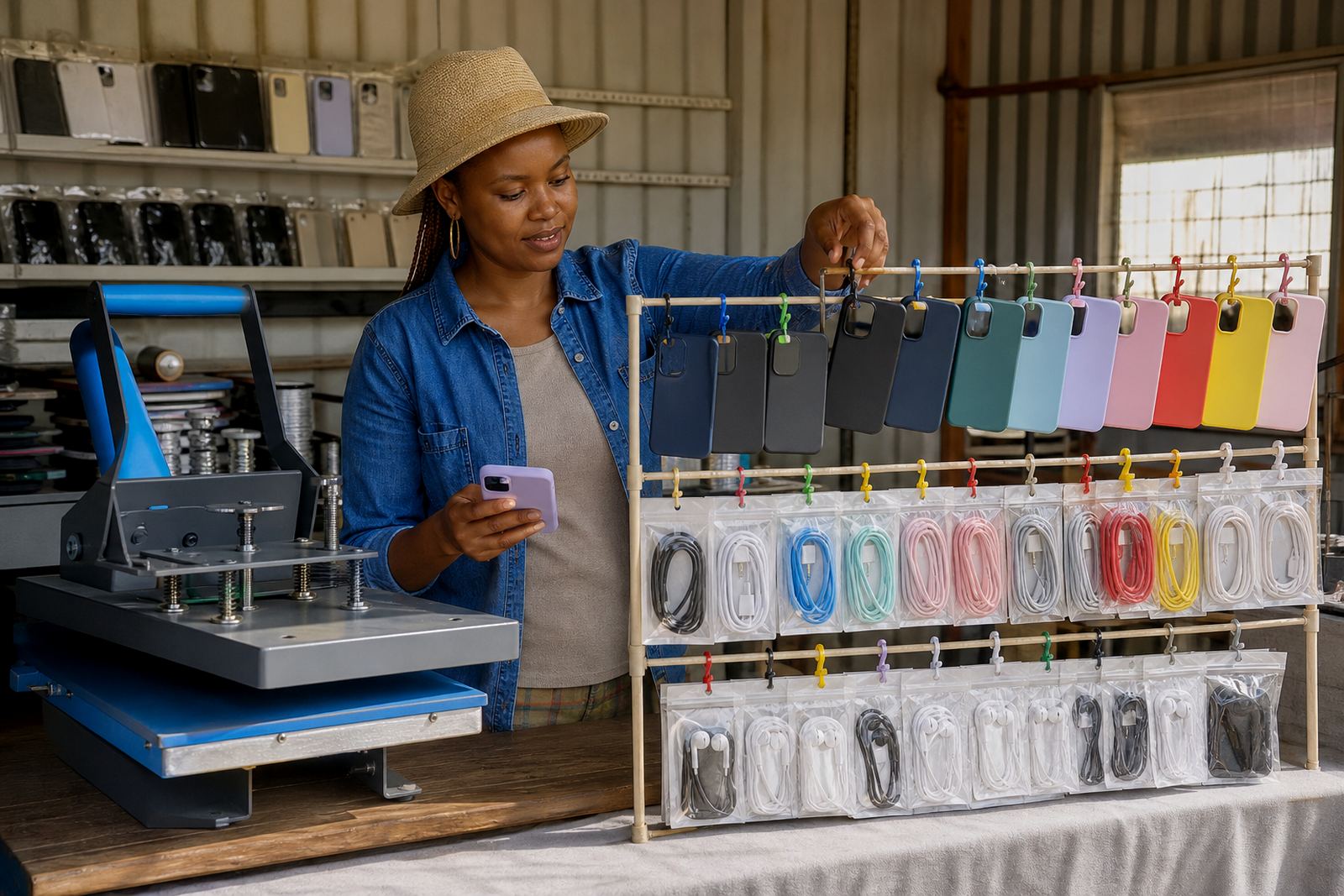
One trader may need a small list of pantry items and household goods, while another wants to show ready-made clothes, airtime accessories or kitchen products. The structure stays simple, but the content changes to suit the trade. That makes it easier to manage for people who are busy at the counter, at home or on the road between suppliers and customers.
- Spaza shops can list fast-moving items with clear prices and WhatsApp ordering.
- Home businesses can show made-to-order products, service details and collection options.
- Market traders can use product photos and short descriptions for items that shift by season.
- Small retailers can add delivery areas, payment notes and a basic catalogue for repeat customers.
Photos, prices and the kind of detail customers look for
Most buyers want to see what they are paying for before they message. That means neat product photos, plain pricing and short wording that avoids confusion. In places like Soweto or Alexandra where many customers shop on their phones, a clear page can help them decide faster and send the right order details the first time.
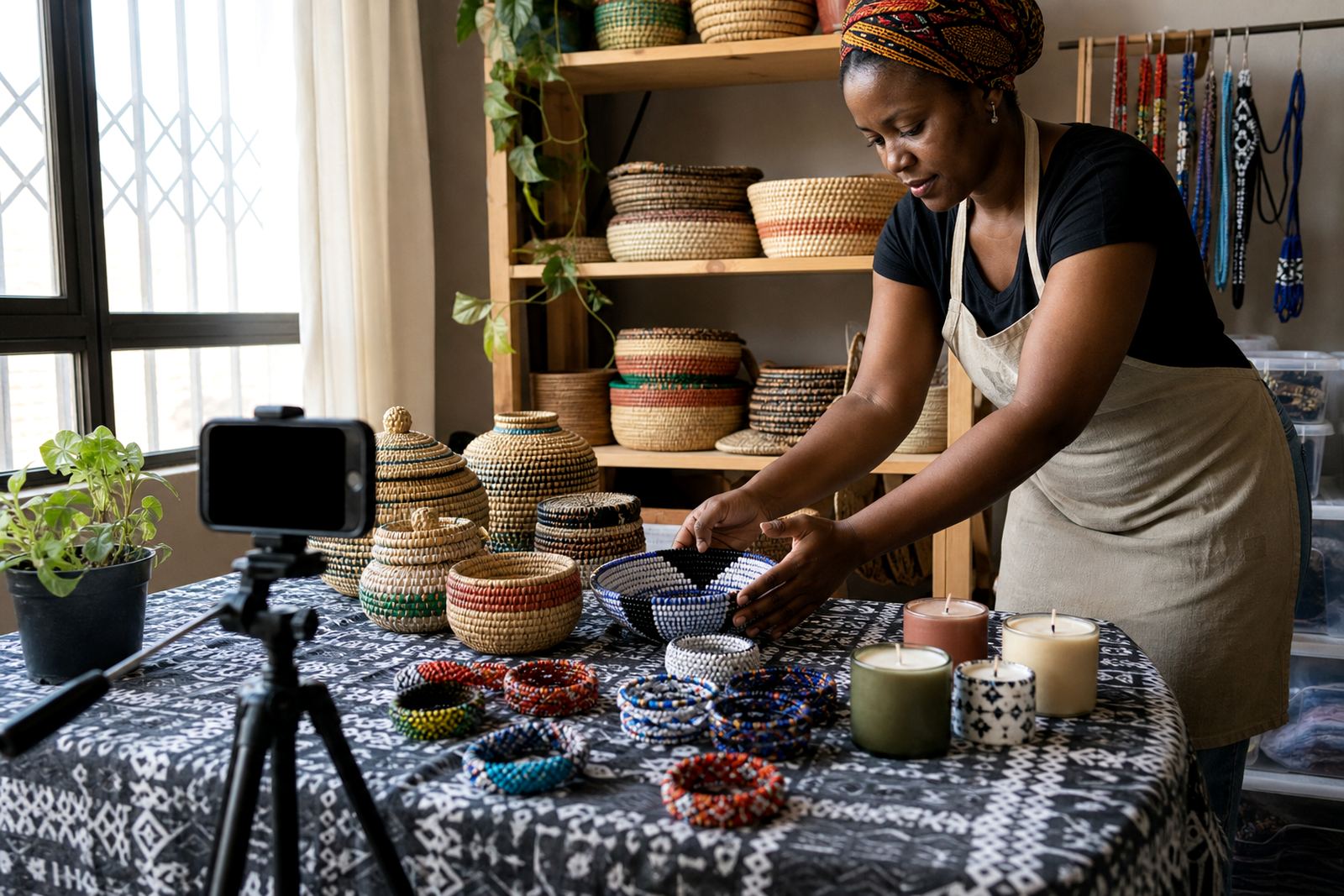
We guide traders on what to photograph, how to label items and where to place prices so the store feels orderly. A few good photos beat a crowded page, and a simple price list is easier to read than long descriptions. That practical approach works well for small businesses that need to keep things moving.
- Use bright, close photos taken in natural light where possible.
- Keep product names short and easy to match with a WhatsApp order.
- Show size, colour, flavour or pack count when it matters.
- Leave room for specials or changing stock without rebuilding the whole store.
WhatsApp orders fit the way many South Africans buy
For a lot of local traders, WhatsApp is the quickest way to confirm stock and delivery details. A customer can browse the store, tap through to a message and send their order with the item name, quantity and suburb. That suits traders in Johannesburg, Durban, Cape Town, Pretoria and Gqeberha where buyers often want direct contact before paying or collecting.
WhatsApp ordering also helps when stock changes during the day. A trader can update a page, point customers to the correct item and keep the conversation in one place. It is a familiar way of working and it fits informal trade well.
Payments and delivery choices that stay easy to read
Different traders handle payments and delivery in different ways, so the store should not overcomplicate that part. Some want payment details shown clearly. Others prefer a mix of transfer, collection or delivery notes depending on the order. The main thing is to present the choices in plain language so customers know what happens next.
Delivery pages can mention local drop-off areas, collection points or courier options where a business already uses them. If a trader serves several suburbs, the delivery section can be split by area. For tax or payment questions beyond the store setup, it is best to check with SARS or a qualified adviser.
From a first catalogue to a fuller online shop
Some traders only need a handful of items online to start. Others want a fuller catalogue with a home page refresh, product upload help, content writing and staff training so more than one person can manage the store. The right setup depends on how the business works on the ground, not on a fixed template.
SellThat suits traders who want support with the practical parts of setting up and keeping a store tidy. That can include product uploads, photo guidance, pricing page help, catalogue rebuilds and ongoing support when stock changes or the layout needs attention.
- Start with the products that sell most often.
- Add the pages customers ask for most: prices, contact and delivery.
- Build the store around your daily routine, not the other way round.
- Keep the wording short so customers in a hurry can act on it.
Pick the page that matches the way you trade
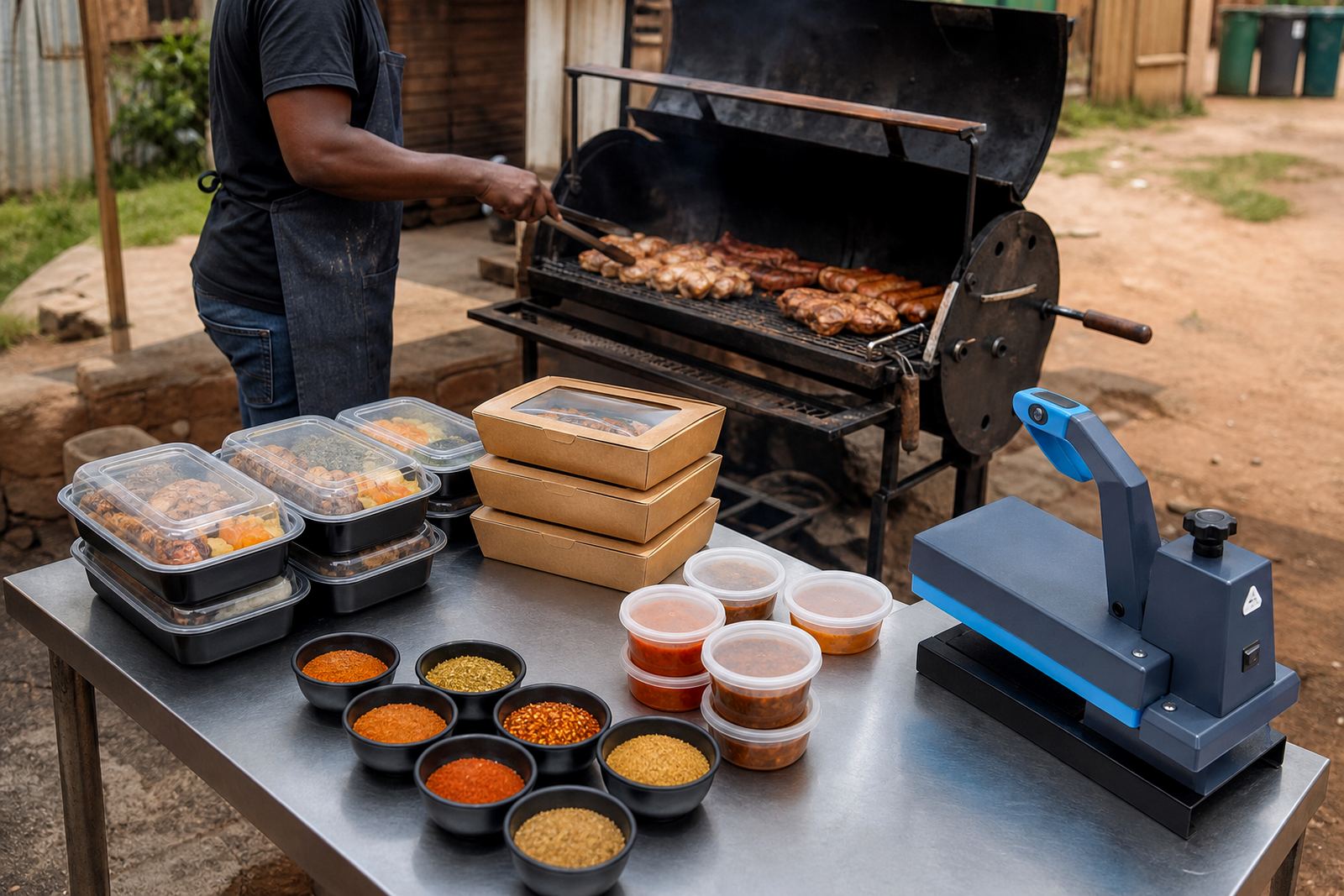
This hub is useful when a trader is not sure what the store should look like yet. A clothing seller may need size options and colour notes. A food trader may need daily specials and collection timing. A service-based home business may need a list of offerings with clear WhatsApp contact and booking notes. The listing cards below point to those different routes.
If you trade from Soweto, Tembisa, Pretoria, Durban, Cape Town or Gqeberha, the aim is the same: make it easier for customers to see your products, place an order and understand how delivery or collection works. The store should fit the business you already run, not force you into a complicated system.