
Daily produce needs a page that changes fast
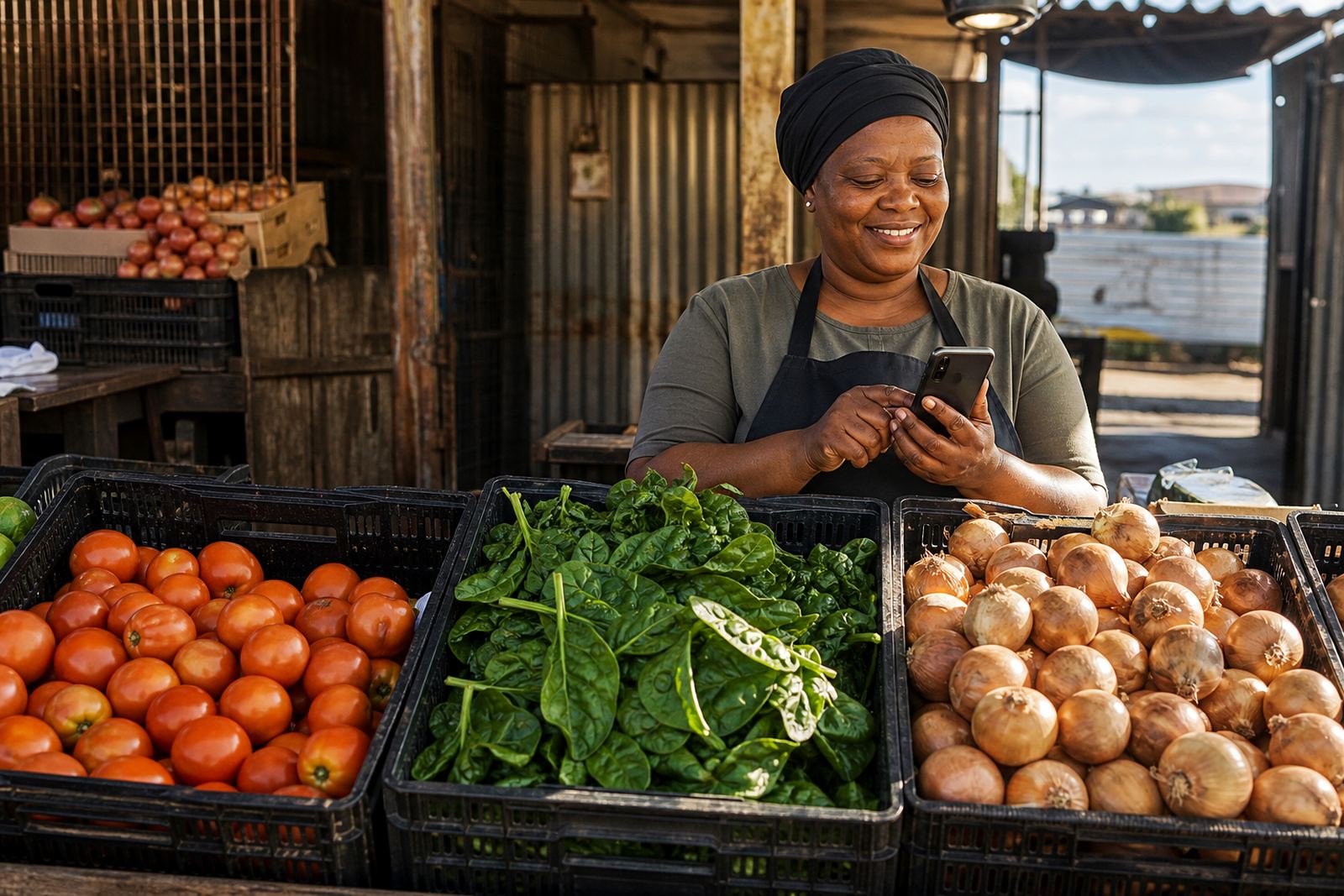
Fruit and veg trade moves day by day. Prices can shift with supply, season, rain, transport costs and what arrives early in the morning, so a store for this kind of business must be easy to update without long delays. A simple online store works best when the front page shows what is available today, what is sold by bag or bunch, and which items are limited.
For spaza shops, home businesses and market traders in Soweto, Johannesburg, Durban, Cape Town, Pretoria and Gqeberha, the main goal is not a large catalogue. It is a clear list that helps customers see what can be ordered right now. That means fewer extra pages, large product names, and prices that are easy to spot on a phone screen.
When the store is built for fresh produce, it should also make room for notes like green, ripe, washed, bulk pack, or while stock lasts. These small details reduce confusion and help customers place orders with less back and forth.
What a fruit and veg store usually needs online
A practical setup for this type of trader is usually modest. It does not need heavy graphics or long text. It needs photos, pricing, an order method and a simple way to show delivery or collection areas.
- Clear photos of produce in daylight, with the product filling most of the frame
- Price labels for single items, bunches, packs or crates where needed
- A WhatsApp order button so customers can send a list quickly
- Payment details shown in plain language, including proof of payment steps
- Delivery notes for local areas and collection instructions for walk-in buyers
- A short home page that explains what is on offer today and what changes often
In coastal areas like Durban, Cape Town and Gqeberha, fresh produce can wilt or bruise faster in heat and humidity, so photos should be taken with care and stock should be listed honestly. If there are size differences, say so. If mangoes are small or avocados are only ready for a few days, put that in the product note.
Layout advice that keeps customers moving
The best layout for fresh produce is usually a short path from opening page to order. Customers should not have to hunt through too many sections before they see fruit, vegetables, herbs and specials. A clean menu with a few well named sections works better than a cluttered shopfront.
Common sections for this type of store include today’s specials, fruit, vegetables, salad items, bulk packs, and delivery areas. A pricing page can help with items that change often, while the main product pages handle the most popular stock. If a trader sells both retail packs and larger bags for families or small caterers, those should be shown separately so the pricing is easy to understand.
- Keep product names short, like tomatoes, spinach, apples or mixed veg box
- Use the same order for products every time so customers learn the pattern
- Place the WhatsApp order option near the top and once more near the bottom
- Show whether prices are per item, per bunch or per pack
- Leave space for daily specials without overcrowding the page
A well planned page also helps during busy market hours. If the trader is serving customers in person, the online store still needs to be simple enough to update on a phone between sales. That is why a basic structure often works better than a complicated one.
Photos and pricing that feel honest
Fresh produce buyers want to see what they are paying for. Good photos do not need studio equipment, but they do need clean lighting, a tidy surface and a steady hand. A basket of mixed oranges should look like the basket customers will get, not a single perfect fruit picked from somewhere else.
Pricing pages should be written in plain South African English. If the trader sells by unit and by bulk, separate the amounts clearly. If prices change every morning, make the update process quick so the store does not show old figures. Nothing irritates customers more than seeing one price online and hearing another over WhatsApp.
- Use natural light where possible and avoid dark indoor corners
- Show quantity clearly, such as 1kg, 5kg, bunch, tray or crate
- Add a short note for size, ripeness or seasonal changes
- Keep the same spelling and format across all listings
Photo guidance and product upload help can save time for traders who are busy packing stock. A good setup also allows the same picture style to be used across all products, which gives the store a neater look without making it look overdone.
WhatsApp orders, payments and delivery details
For many fruit and veg sellers, WhatsApp is the quickest way to confirm orders. A customer can send a list, ask about stock and arrange collection without needing to fill in a long form. The store should make this easy by placing the WhatsApp order option where people can spot it straight away.
Payment information should be short and clear. If a trader takes card payments, bank transfer or cash on collection, the store can show that in a simple payment section. If delivery is available, the page should explain the general area covered and any order minimums or same day collection points. No fancy wording is needed, just the practical facts.
For traders in Johannesburg, Pretoria, Soweto, Alexandra and Tembisa, local delivery notes can help cut down on calls. In bigger city areas, customers often want to know whether the driver can reach a gate, flat block or business park. A small note on access, parking or collection times can avoid confusion.
If tax or invoicing questions come up, check with SARS or a qualified adviser. The store can present the information, but the trader should confirm the right handling of records and payments for their own situation.
Common mistakes that slow fresh produce sales
One common mistake is listing too many items that change every hour. That makes the store hard to maintain and can lead to outdated stock. Another mistake is using photos that are too small or too dark, which makes the produce look less appealing than it really is.
Some traders also forget to match the wording on the home page, product pages and WhatsApp order notes. If the page says delivery is available but the trader only does collection in the morning, customers get mixed messages. A small amount of editing saves a lot of wasted calls later on.
- Do not mix single-item prices with bulk prices in one line
- Do not use long paragraphs where a short note will do
- Do not leave old specials on the home page after stock has changed
- Do not assume customers know the difference between a pack and a crate
- Do not make the order route hard to find on mobile phones
Another issue is trying to build a store that looks like a supermarket when the business actually works like a local fresh produce stall. A plain, honest layout usually suits the trading style better and is easier for staff to manage.
Budget ranges for a basic fruit and veg store
The cost of a simple online store depends on how many products need uploading, how much content needs writing and whether the trader wants help with photos, pricing pages and delivery notes. For fruit and veg sellers, a lean setup is usually enough at the start, with extra pages added later if the business grows.
Typical budget ranges for this kind of work can sit around R1,500 to R4,500 for a very basic store setup, with more detailed product upload, photo guidance and content writing moving higher depending on the amount of work. If a trader needs a full catalogue rebuild, staff training and ongoing support, the total can rise further. The right scope depends on the stock list and how often prices change.
There is also a practical cost to consider beyond the setup itself. Someone in the business must keep the prices updated and add new stock when seasons change. That is why training matters. A store that is easy to manage saves time, which is useful for traders who are already handling buying, packing and sales each day.
SellThat works with informal traders, spaza shops and home businesses that need a simple store with clear pricing, WhatsApp orders and delivery details. The platform can be shaped around the way fresh produce is actually sold, not around a long corporate process.