

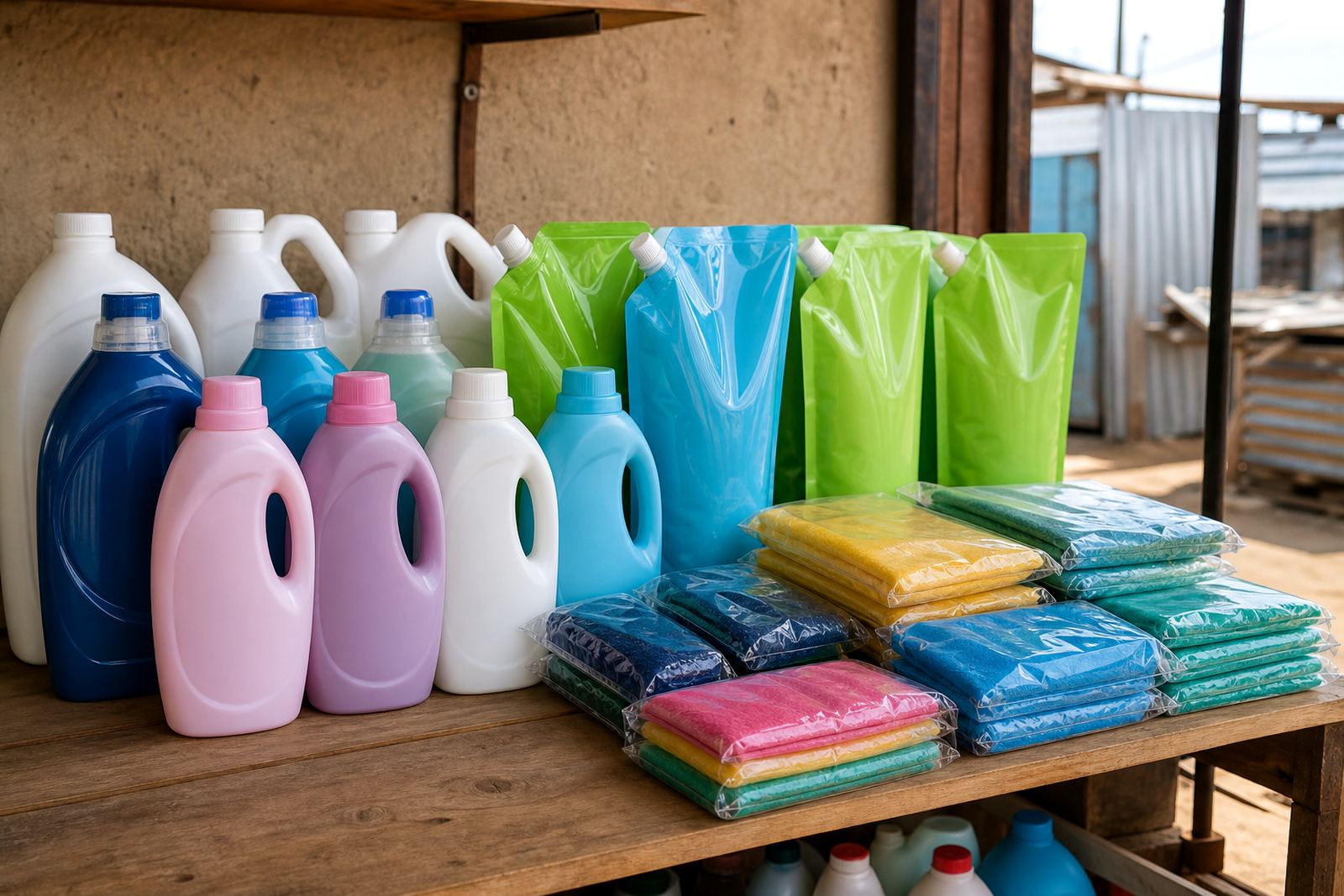
What cleaning shoppers want to see first
Most buyers do not browse for long. They want to see the pack size, the price, what it is used for and how to order. If you sell dish liquid, bleach, multipurpose cleaner, floor cleaner, disinfectant, washing powder or toilet cleaner, each item needs its own clear page with the size in litres, millilitres or kilograms. Refill sizes matter too, because many customers compare a small bottle against a household pack before they place the order.
A good store for cleaning supplies should make it easy to spot what is ready for pickup, what can be delivered, and which items are sold in singles, cartons or mixed packs. If you serve spaza shops, home users or small offices, separate those options so the buyer is not guessing. A clean page layout saves time and reduces messages asking for the same details over and over.
Product pages that work on a small screen
Many informal traders post products from a phone, and many customers buy the same way. That means the layout must stay simple. Put the product name at the top, then a short description, then the price and the order button or WhatsApp link. Keep the photo close to the price so the customer does not scroll too far before making a choice.
- Use one clear photo of the front label and one of the pack size if needed.
- Add the unit size in the title, such as 500 ml, 1 litre or 5 kg.
- Show whether the item is sold loose, in a pack or by the carton.
- Keep the wording short and direct, especially for customers with limited time.
When a seller has many similar products, the pages should follow the same order every time. That way a customer can compare the range without getting lost in the wording.
WhatsApp orders and payment details
Cleaning supply buyers often prefer to ask about stock, delivery and payment in one message. A WhatsApp order option works well when it is placed beside the product and again on the contact page. Keep the message prompt specific, for example a buyer can send the product name, size and quantity. That cuts down on back and forth, and it is easier for a trader to track orders on a busy day.
Payment details should be easy to read. If you accept bank transfer, card payment or cash on delivery, show the method clearly and match it to the delivery area. Some traders also add a note for proof of payment or collection details. If you handle money matters, check with SARS or a qualified adviser about the right tax and record keeping setup for your business.
- Place the WhatsApp button near the price and on the footer.
- List the accepted payment methods on a separate page or block.
- Keep order instructions short and visible on mobile.
- Use the same wording for every product, so customers know what to do.
Delivery pages for local areas and nearby routes
Cleaning supply deliveries can change by area, especially where a trader serves Soweto, Alexandra, Tembisa, Johannesburg, Durban, Cape Town, Pretoria or Gqeberha. A delivery page should explain the areas served, the collection points if any, and the difference between local delivery and out of area orders. If you run a route-based service, note the zones in plain language so customers know whether their suburb is included.
For heavier items such as cartons of detergent or bulk bleach, it helps to list the pack handling notes and the delivery method used. Some sellers also add a simple note for customers in flats, compounds or small business parks where access can be tricky. This avoids confusion and cuts wasted trips.
A delivery page also helps during rainy weather or when roads are busy. Buyers can see what to expect before they place the order, which is important for items that must reach them in good condition and on time.
Layout planning for a cleaning supply catalogue
Cleaning supply stores usually grow fast. One month it may be ten products, then suddenly there are refills, household packs, toilet care, laundry items and general cleaning liquids. The store layout must handle that growth without becoming cluttered. Start with clear categories such as kitchen, laundry, bathroom, floor care and bulk packs. If you sell to both homes and informal resellers, separate those sections so the catalogue stays tidy.
The main page should point buyers to the most asked for items first. A short home page refresh can lift the main specials, highlight refill options and show the latest stock list. Product upload help is useful when a trader has many items to add in one go, because repeated naming and sizing can become messy if the pages are not set up the same way.
- Use category names buyers recognise immediately.
- Keep refill items and household packs in separate groups.
- Place popular items near the top of the catalogue.
- Use the same photo style across the whole store.
Common mistakes with cleaning product stores
The most common mistake is vague pricing. A customer should not have to ask whether the price is for one bottle, a pack of two or a carton. Another issue is poor photos where the label is crooked, too dark or cropped too close. If the item is a refill, say so in the title and in the description. Buyers want to know what they are getting before they send a message.
Some sellers also forget to mention if a product is for home use, trade use or both. That is a small detail, but it helps buyers choose the right size. Store owners sometimes overload the page with too much text and the important details get buried. Keep the line up neat, use short paragraphs and check that mobile users can read it without zooming in.
Budget ranges for a practical first setup
There is no single price for every cleaning supply store because the size of the catalogue, the amount of writing, and the level of support all change the total. A simple starter setup with core pages, a few product uploads and basic order details may cost less than a larger catalogue rebuild with pricing pages, delivery sections and training. Many traders begin with a lean setup and add more products once the store is working well.
As a rough guide, budget planning can be split into small, medium and fuller support ranges, depending on how much help is needed with product photos, catalogue structure and written content. If your store has many refill sizes or a mixed wholesale and retail list, expect the work to take more planning. It is worth setting aside space for updates too, because cleaning stock changes often and the pages need to stay current.
SellThat supports store setup, product upload help, photo guidance, pricing page help, WhatsApp order setup, payment info setup, delivery page setup, home page refresh, store content writing, catalogue rebuild, staff training and ongoing support for traders who need a practical online shop.