
A shop window for daily essentials
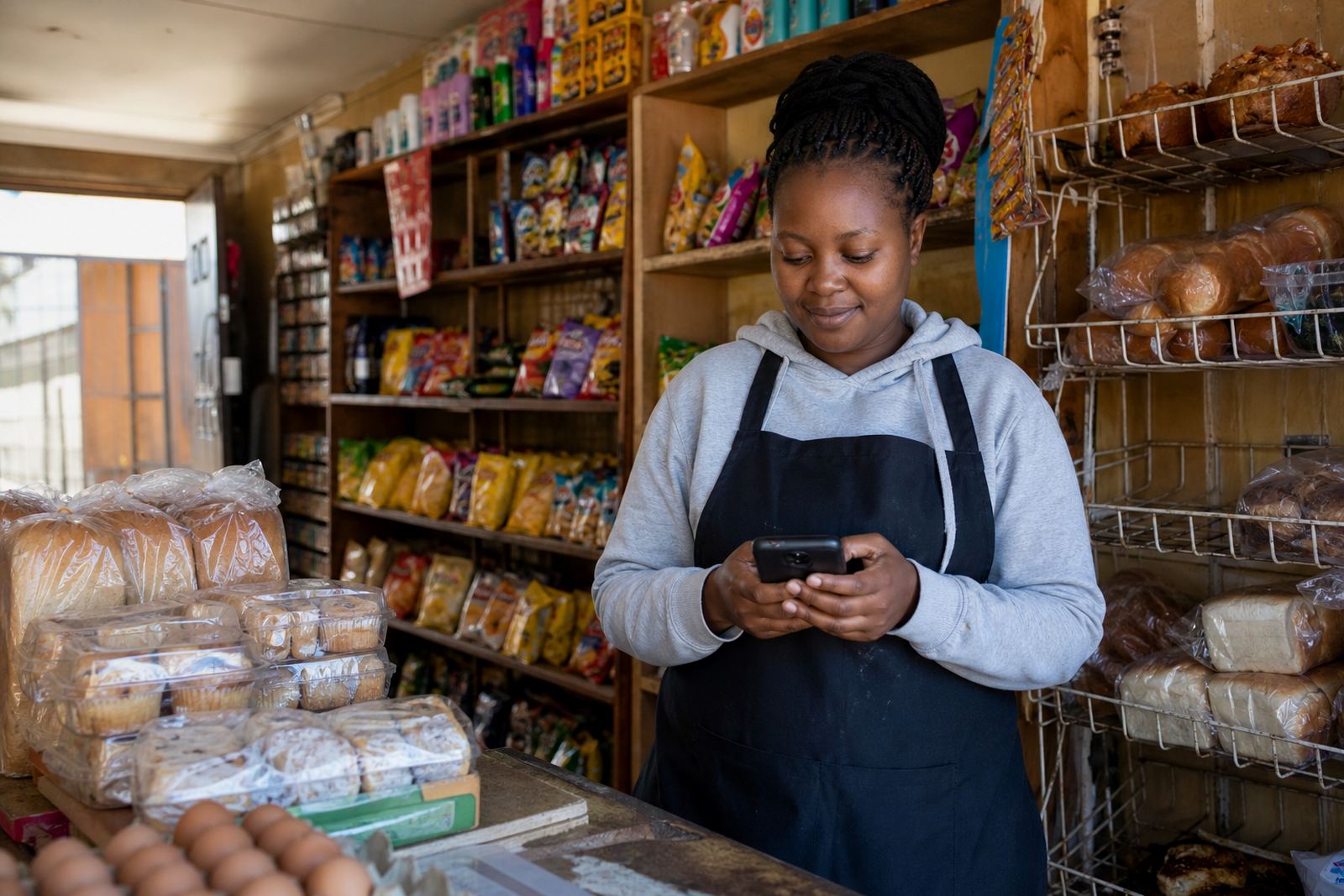
For a spaza shop, the online store works best when it feels like a neat extension of the counter. Customers should see bread, maize meal, sugar, airtime, cold drinks, toiletries and household basics in a few taps, with prices shown clearly and stock kept current. In many areas around Soweto, Alexandra, Tembisa and Johannesburg, people want to check what is available before they walk over or send a WhatsApp message.
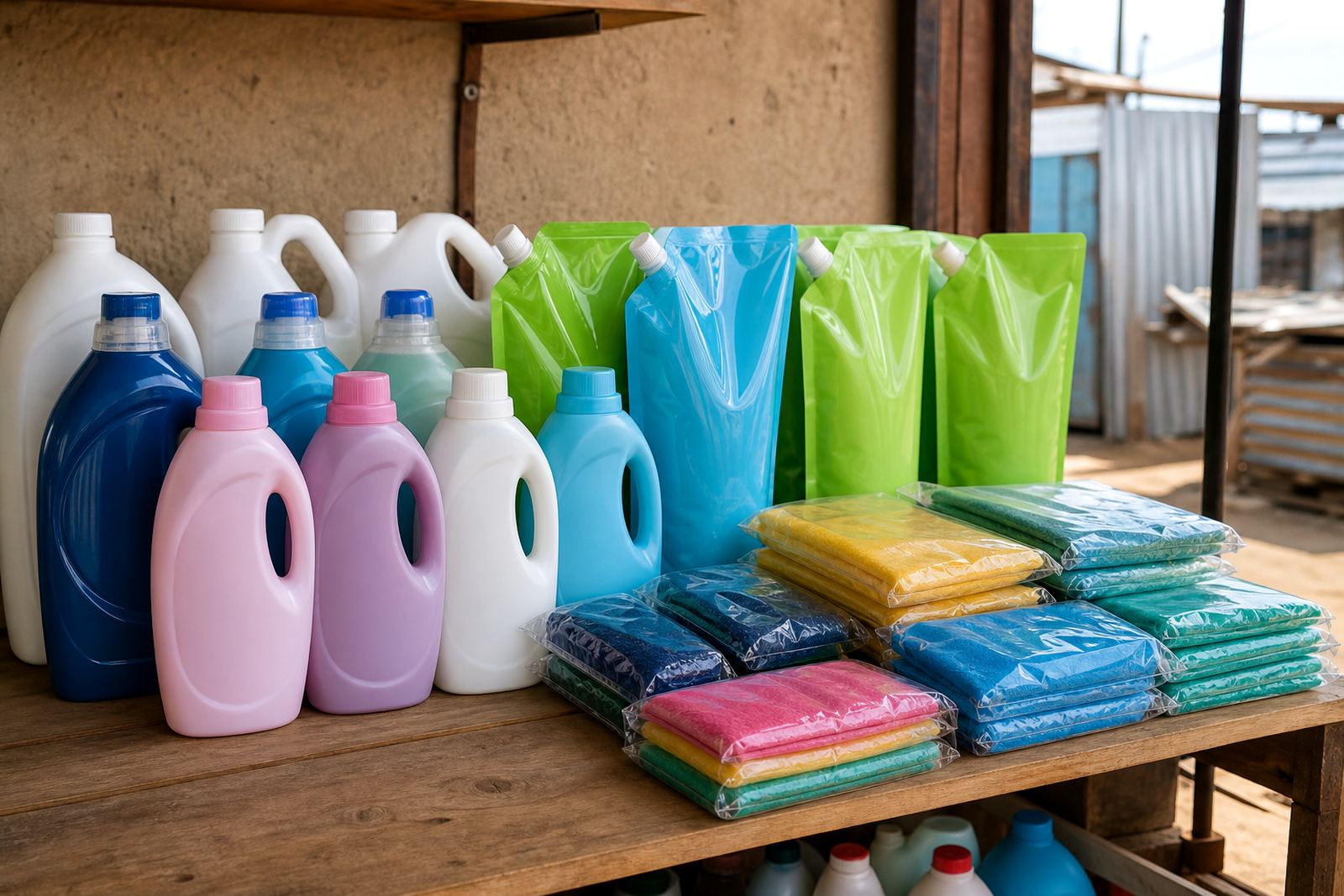
A good store setup keeps the layout plain and practical. Categories can be grouped by common buying habits, such as groceries, snacks, cleaning items and personal care. Photos do not have to be fancy, but they must be clean, well lit and easy to recognise. A photo of a product on a plain surface often works better than a crowded shelf shot.
What a spaza shop usually needs online
Most spaza shops do not need a complicated build. They need a few solid pages and a way for customers to place orders without confusion. That usually means a home page, product pages, a pricing page, a WhatsApp order button, payment details and a delivery or collection page. In Durban, Cape Town, Pretoria and Gqeberha, the same structure still works well because it keeps the buying process direct.
- Product photos for everyday stock and specials
- Clear prices in Rand, shown next to each item
- WhatsApp order instructions for quick buying
- Payment info for card, EFT or other agreed methods
- Delivery notes or collection times for local customers
If the shop sells mixed items, it helps to group products by use rather than by supplier. That makes it easier for customers to find what they need, especially when they are ordering on a phone between other errands.
Layout that works when time is tight
Spaza shop owners often juggle stock, suppliers and customer requests through the day, so the store layout must save time. The most useful pages are the ones customers open first. A short home page should point them to the main products, the price list and the order method. If a shop serves people in a specific area, that should be clear too, especially for collection or local delivery.
On the product side, keep item names plain. Use the everyday name customers know, not a long title that sounds like a catalogue. If there are pack sizes, show them clearly, such as 500 g, 1 kg, 6 pack or 500 ml. That helps prevent mix ups and saves back and forth messages later.
- Keep the first screen of the home page short
- Show contact and order steps where people can see them fast
- Use one clear price per item, not three different notes
- Show collection and delivery areas by township or suburb
Photos, pricing and stock checks
Good product photos matter more than most traders expect. A crisp image can stop the customer from asking for extra details, and it makes the shop look organised. For items like snacks, soap, candles, maize meal or cleaning products, use a steady background and take the picture in natural light where possible. In coastal areas such as Durban and Gqeberha, humidity can affect packaging, so a clean and dry photo setup helps the items look presentable.
Pricing pages should be updated when the shop changes prices, because customers notice mismatches quickly. It is also worth checking whether bulk buys, single items or mixed packs are shown correctly. If the shop sells both individual units and larger packs, the store should make that difference obvious. A pricing page that is hard to read usually creates more messages than sales.
Where stock changes often, the catalogue can be trimmed to the items that move well. That is usually better than loading every single product at once. A smaller, well kept list is easier to manage and it keeps the store looking current.
WhatsApp orders, payment details and delivery notes
Many spaza shop customers still prefer to order through WhatsApp, especially when they want to ask about stock, request a substitution or arrange collection. The store should show a clear order flow, such as choose item, send order, confirm total and arrange collection or delivery. That keeps the process practical for both sides.
Payment information should be easy to read and not buried in a paragraph. If a shop accepts EFT, card on collection or another agreed method, the details need to be placed where customers can find them. The same goes for delivery areas and any minimum order rules the trader chooses to use. If tax questions come up, the trader should check with SARS or a qualified adviser, because that part is not something to guess at.
- List payment methods in a short block, not hidden in the footer
- Show which neighbourhoods qualify for delivery
- State collection times if customers pick up at the shop
- Use one WhatsApp number or one main order line for consistency
Common mistakes that slow down sales
One common mistake is trying to show too much at once. A spaza shop that uploads every item in the store can end up with a cluttered catalogue and outdated prices. Another problem is using unclear photos, where the product is too far away or partly blocked. Customers then message for details that should have been visible already.
Another issue is mixing delivery information with product information. If collection rules, delivery zones and payment notes are scattered across different pages, people miss them. It is also easy to forget to remove out of stock items, which can create frustration when a customer places an order for something that is no longer on the shelf. A bit of regular updating prevents that, even if the shop is busy.
For traders in Soweto, Johannesburg, Pretoria and other city areas, the best online shop is usually the one that mirrors the real shop accurately. Honest stock, clear prices and a neat layout do more work than fancy wording.
Budget ranges that make sense for small traders
Spaza shop owners usually want a store setup that fits a small business budget and does not create extra overheads. A basic setup can cover the main pages, a few product categories and WhatsApp ordering. A more detailed setup may include a larger catalogue, product upload help, pricing page work, delivery page setup and content writing. The final cost depends on how many items need attention and how ready the product details already are.
For planning purposes, small traders often look at a starter range that covers a lean online presence, then add more as the shop grows. If product photos need to be retaken, if the catalogue needs rebuilding, or if staff need training on updates, the cost will usually move up from the basic range. It helps to think in terms of what the shop needs right now, not what might happen six months later.
SellThat works with spaza shops and home businesses across Soweto, Johannesburg, Durban, Cape Town, Pretoria and Gqeberha, helping traders set up the store in a practical way. The main aim is to make daily selling easier, not to complicate the work with extras that do not help the counter.