
A market stall moving onto a phone screen
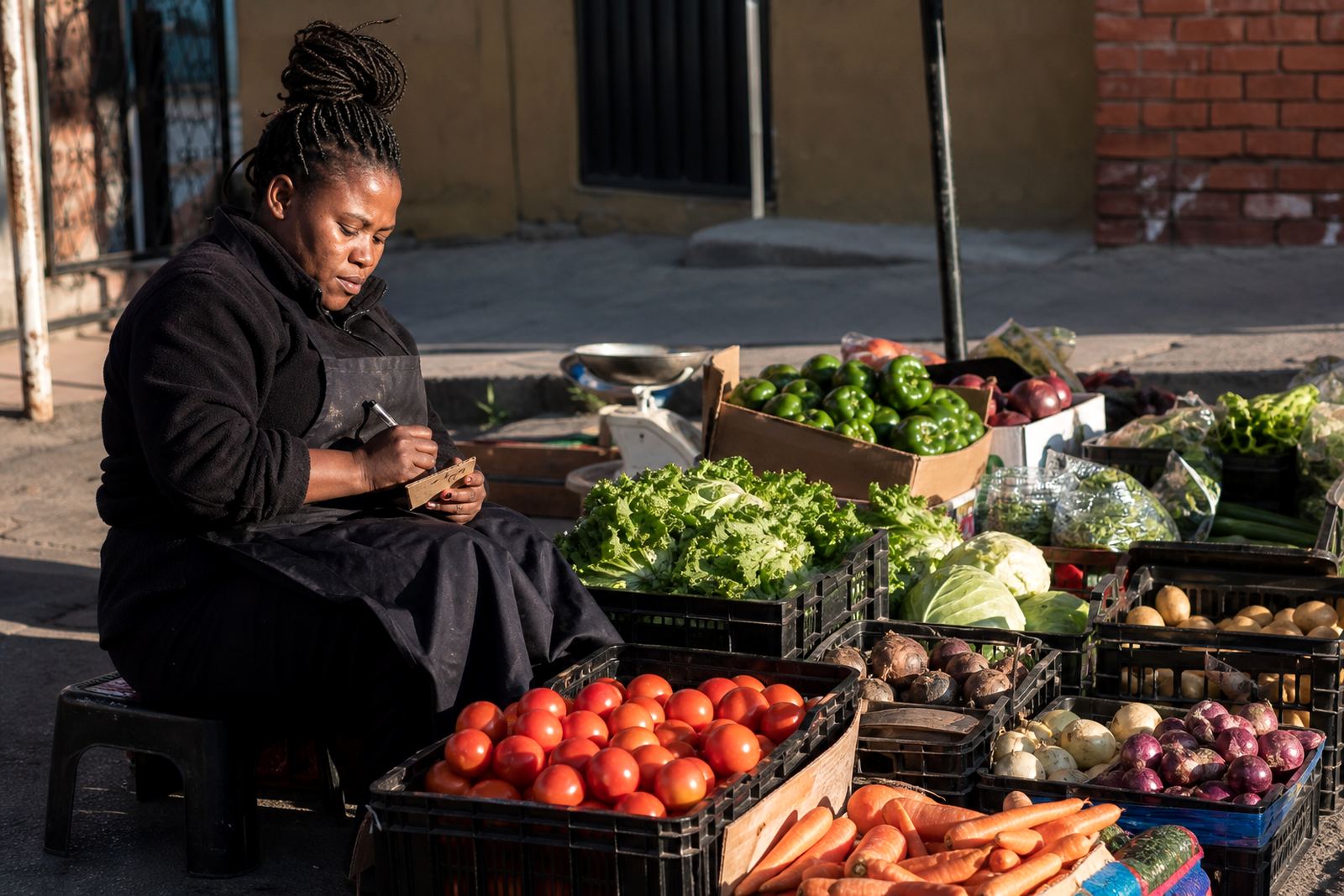
Naledi Produce Seller served walk in customers first, then wanted the same baskets, bunches and crates visible online without making the page feel heavy or complicated. The brief came from a Soweto trader who needed a simple store for daily fresh produce, with enough structure for prices to change often and stock notes to stay current.
The main challenge was keeping things straightforward for customers using mobile data, while still showing enough detail for quick buying decisions. Fruit and veg changes daily, so the page had to handle short shelf life, changing stock and basic price updates without extra steps for the trader.
- Client type: informal trader selling fruit and vegetables
- Town: Soweto, Johannesburg
- Main need: a simple online store with daily stock updates
- Audience: local customers in Johannesburg and nearby suburbs
Naledi Produce, WhatsApp orders and delivery boundaries
The brief was clear: give Naledi Produce Seller a small online shopfront that could show what was in stock, what each item cost, and how customers could place an order through WhatsApp or by using the payment details on the page. The trader did not want a complicated system, and there was no appetite for long menus or crowded pages.
We kept the structure lean so the seller could update lines quickly after a market run or a new delivery. Because produce changes from day to day, the page needed room for short notes such as size, bunch count, units sold by kilogram, and items that were only available while stock lasted. We also had to make space for delivery notes, collection options and practical trading hours.
- Short product listings instead of long product descriptions
- Clear pricing pages for items sold by kilogram, bunch or pack
- WhatsApp order setup for quick customer messages
- Delivery and collection details written in plain language
What we supplied for the store build
The setup covered the store structure, product upload help, photo guidance and content writing for the home page and product pages. We organised the store so the main categories could be understood at a glance, with fresh produce grouped in a way that matched how people shop in a local market.
For the photos, the guidance focused on clean light, readable labels and simple shots that showed the actual item size. That matters for produce because customers want to see whether they are ordering loose tomatoes, a tray of avocados or a bag of onions. The same approach was used for the pricing page, which had to be easy to scan without scrolling past too much text.
- Store setup with a simple home page and product categories
- Product upload help for fruit, vegetables and daily specials
- Photo guidance for clear, honest item photos
- Pricing page help with per item and per kilogram wording
- WhatsApp order setup linked to each main product group
- Delivery page setup with local drop off notes
Pricing, orders and payment notes that made sense
Fresh produce sales depend on fast decisions, so the pricing page had to be plain and current. We laid out the items in a way that reduced confusion between loose stock, bunches, trays and pre packed bags. The wording also helped customers understand when an item was seasonal or only available in limited numbers that day.
Payment information was kept general and easy to follow, with the customer able to choose the order path that suited them best. For delivery, the page made a clear distinction between local drop offs, collection and any area limits. That kind of clarity matters in Soweto and in other busy trading areas like Alexandra, Tembisa, Durban, Cape Town, Pretoria and Gqeberha where customers want to know how the order will reach them before they commit.
- WhatsApp ordering for quick back and forth on quantity and availability
- Payment info set out in plain steps for the customer
- Delivery notes for local customers and collection requests
- Stock wording that matched the way produce is sold in the market
Three weeks from first notes to live selling
The project ran over three weeks. In week one, we mapped the store structure, product groupings and the wording for the home page and pricing pages. In week two, we worked through the product upload process, photo guidance and the first round of stock lines. In week three, we finished the content, checked the order flow and gave the trader practical training on updating items and changing prices when stock moved.
The handover also covered the basics of keeping product pages neat on a busy trading day. That included removing sold out items, correcting quantities and making sure the most requested lines stayed easy to find. The trader did not need a large setup, just a clear way to keep the shop current while handling day to day market work.
- Week 1: structure, product categories and page wording
- Week 2: product uploads, photos and pricing layout
- Week 3: final checks, order flow and training
What changed after launch
Once the store went live, customers could see what was in stock without waiting for a long message chain. That mattered for produce because buyers often want to check prices early in the day, then place an order once they know what is available. The WhatsApp path reduced friction, and the clearer pricing page cut down on repeat questions about units and quantities.
For the trader, the practical result was a cleaner way to share stock updates across phone calls, messages and the online page. It also gave the business a more organised presence for customers who had moved from traditional market buying to mobile ordering. No special promises were needed, just a working page that matched the pace of a fresh food business.
- Customers could check stock and pricing faster
- Order queries moved into WhatsApp in a more organised way
- Daily updates became easier to publish and manage
- The store suited both repeat buyers and first time customers
What we would redo for a similar trader page
We would keep the same practical setup for another fruit and veg trader: short product pages, visible pricing, simple ordering and a home page that makes the daily stock story easy to read. That structure works well for informal traders who need to sell from a phone friendly page while still handling a busy physical stall or home based operation.
We would also keep the photo guidance strict and simple. For fresh produce, neat images are worth more than fancy wording. Good light, honest colour and a clear size reference help customers decide quickly, especially when they are comparing produce prices across Johannesburg, Durban, Pretoria, Cape Town or Gqeberha.
- Keep the store short and easy to update
- Use clear photos with low data pages
- Write prices in the same units customers already use
- Leave space for daily stock changes and seasonal lines
Key facts
| Client type | Fruit and veg trader |
|---|---|
| Town | Soweto, Johannesburg |
| Timeline | 3 weeks |
| Core pages | Home page, pricing pages, product pages, delivery notes |
| Main functions | Daily stock updates, WhatsApp orders, payment info, delivery options |
| Support supplied | Store setup, product upload help, photo guidance, content writing and training |