

A Seasonal Page Keeps Busy Stock in Order
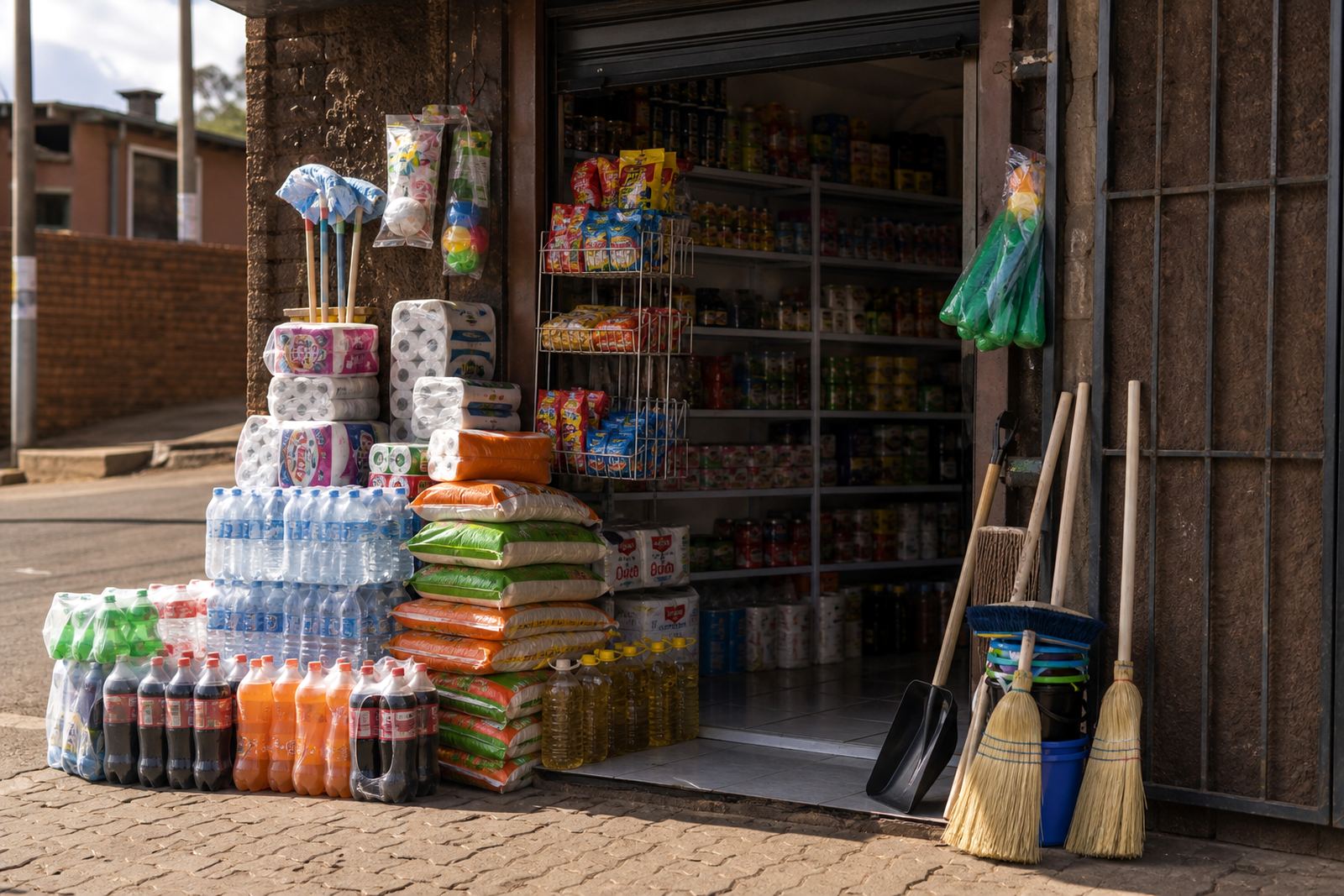
When a spaza shop, home business or informal trading stall adds seasonal items to a store, the main problem is usually clutter. Festive goods, school supplies and winter lines need their own space so customers can find what they need without scrolling past everyday stock. A seasonal page gives those items one clear place, with photos, prices and a short note on what is available now.
For a trader in Soweto, that might mean a page for winter blankets, beanies and heaters in June, then a different page for school stationery, lunch boxes and uniforms in January. The layout does not need to be complicated. It just needs to show what is on hand, what comes in a set, and which items are ready for collection or delivery.
- Group items by season, not by guesswork
- Show the price next to each product
- Use one clear photo for each main item
- Keep old stock off the front page once the season changes
Photos That Match The Season Customers Are Buying For
Seasonal buying is emotional as much as practical. People want to see the item in a way that makes sense for the time of year. A winter scarf looks better folded neatly on a plain surface than hanging in a crowded corner. School items are easier to compare when the photos show size, colour and any pack contents clearly. If the image is blurry or the background is too busy, customers move on.
Good photos do not need fancy equipment. Natural daylight near a window, a clean wall and steady hands can make a big difference. In humid coastal towns like Durban and Gqeberha, it also helps to keep paper items, labels and packaging dry while photographing them so they do not curl or pick up marks. For traders in Johannesburg or Pretoria, dust from open storage areas can show up in close-up shots, so a quick wipe before taking pictures is worth the effort.
- Photograph one item at a time when possible
- Show size by placing the product next to a familiar object
- Use the same background for the whole seasonal range
- Retake photos if colours look far off in the image
Pricing Pages That Help Customers Decide Faster
Seasonal stock sells better when the price is easy to find. Customers often compare a few items at once, especially for school packs or winter essentials. If they have to ask for every price, the page becomes slower to use and the chance of a sale drops. A simple pricing page can sort items into price bands, bundles or single units, depending on what you sell.
For example, a trader can list a blanket on its own, then show the price for a pair of socks or a school starter pack. If a product comes in different sizes or colours, each option needs its own price line. This avoids confusion and reduces back-and-forth on WhatsApp. It also helps when stock changes during the season because the trader can update one page instead of rewriting several messages.
- List the item name, size and price together
- Use bundles only when the contents are clearly shown
- Mark sold-out items so customers do not waste time
- Keep school, winter and festive pricing separate
WhatsApp Orders Fit The Way Many Customers Buy
In South Africa, many customers are comfortable ordering through WhatsApp, especially when they already know the trader. A seasonal store can point them to WhatsApp for quick questions, stock checks and order confirmation. That is useful when someone wants to ask if a winter item is available in a certain size, or whether a festive gift pack can be set aside for pickup later in the day.
It helps to make the ordering steps obvious. The page should show what details the customer must send, such as product name, quantity, colour and delivery area. A short message format saves time on both sides. Traders in Alexandra or Tembisa who handle busy holiday trade often find that a clear WhatsApp flow cuts down on missed details, especially when several people are ordering at once.
Good seasonal WhatsApp setup usually includes:
- A tap-to-chat button from the product page
- A short order message template
- Pickup and delivery wording that matches the area served
- Notes for items that must be paid before dispatch
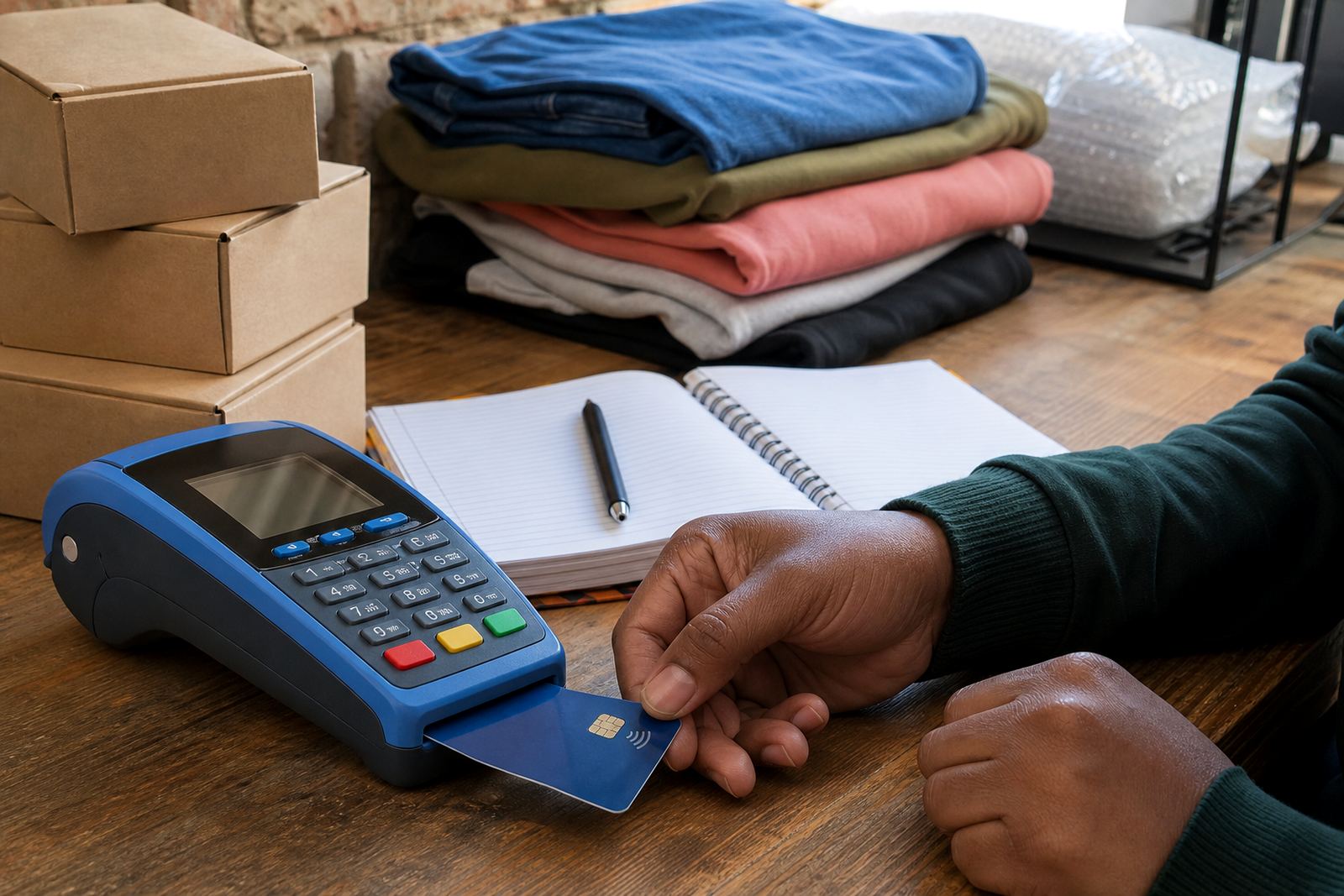
Payments And Delivery Need To Match The Item Type
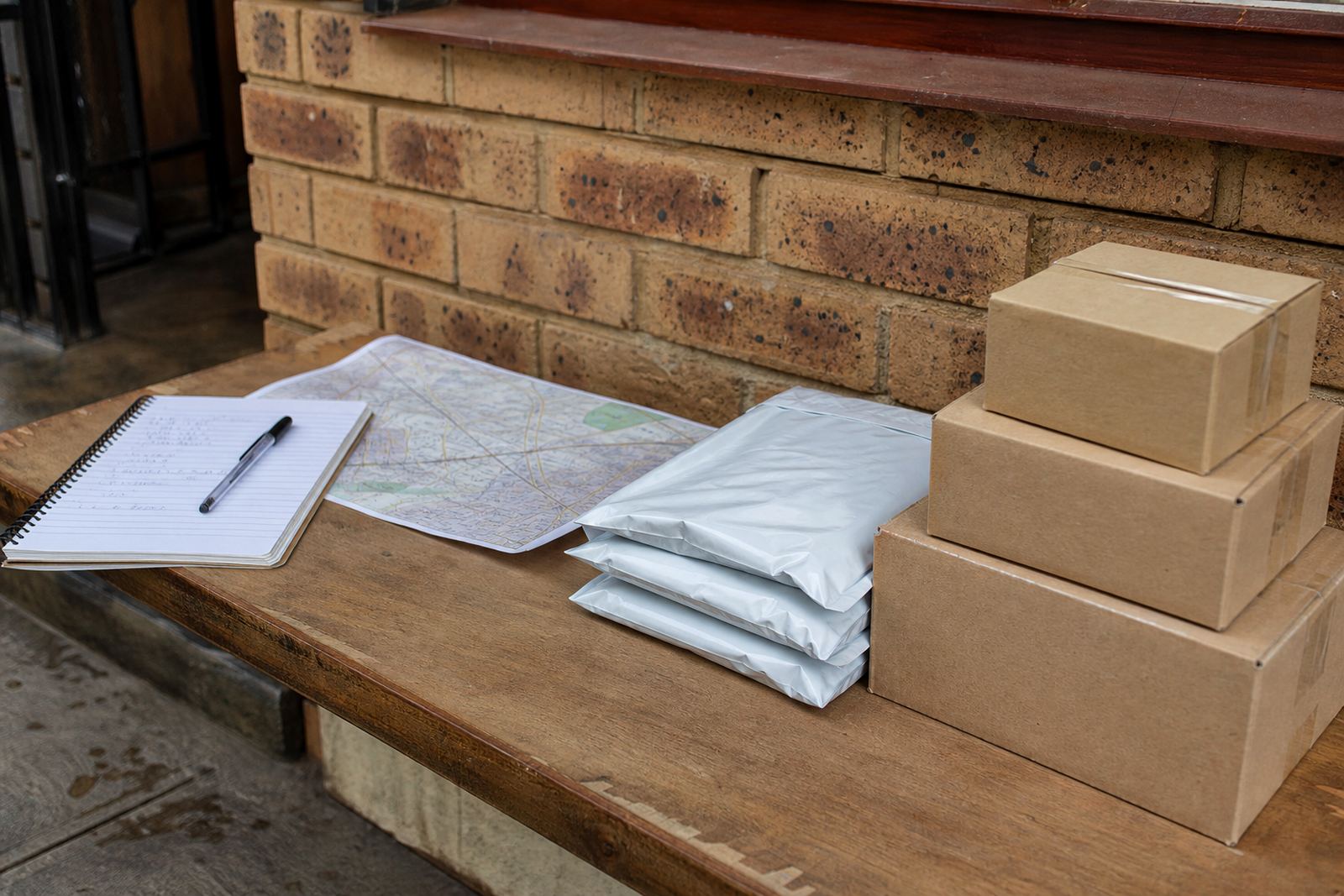
Not every seasonal product moves in the same way. Small items may be collected in person, while larger or fragile products need delivery arranged properly. A clear store page can show the payment methods accepted, how proof of payment is sent, and which delivery areas are covered. That saves time when demand rises during school opening, the festive rush or the first cold weeks of winter.
It is wise to keep the wording plain. Say what payment information is needed and what delivery option is available, without promising anything you cannot control. If tax, pricing rules or payment handling raise questions for your business, check with SARS or a qualified adviser. A seasonal page should help customers move from browsing to buying, not confuse them with extra detail.
- Separate pickup, local delivery and courier options
- State whether payment is needed before packing
- Show which suburbs or towns can be served
- Update delivery notes when stock is bulky or fragile
A Soweto Example: Winter Stock For Nearby Buyers
Picture a trader in Soweto who sells blankets, jerseys and winter accessories from a home business. In May, the store can open a seasonal page titled for winter items, then place the most in-demand products at the top. Each item has a clean photo, a short description and the price. Customers from Johannesburg, Pretoria and nearby townships can check what is available before sending a WhatsApp order.
That same trader can add a delivery page with the local areas served, plus a simple note for collection times. When winter ends, the page can be changed to school items or festive stock without rebuilding the whole store. The work is mostly about order, not size. A seasonal page gives informal traders a practical way to show the right products at the right time, and to keep the buying process neat when trade gets busy.