
Say where you deliver, not just that you deliver
Start with the places you can actually serve, then spell them out in plain language. A customer in Soweto wants to know whether you deliver to nearby townships, central Johannesburg or farther areas like Pretoria and Durban. If you only say nationwide, the page sounds vague. If you only say local, some buyers may not know whether they are included.
Keep the wording practical. You can group areas by city or by delivery zone, then note if some places need an extra fee. That helps a shopper in Gqeberha understand the difference between a local drop-off and a courier parcel. It also avoids phone calls from customers asking for basic details that should already be on the page.
- List the towns, suburbs or zones you can reach clearly.
- Say if delivery is local, regional or countrywide.
- Note whether some areas need a courier instead of same-day drop-off.
- Explain if collection is available from a point in Soweto, Johannesburg or another area.
Use timing that matches real trading days
Customers do not need fancy wording, they need a realistic delivery timetable. If you prepare parcels after stock check or after your staff closes the stall, say so in plain language. Mention the days you deliver and whether orders placed late in the day move out the next morning. Keep it steady and easy to scan.
For many spaza shops and home businesses, timing depends on stock being ready, the driver route and local traffic. In places like Johannesburg and Durban, traffic can change delivery windows a lot. In coastal towns like Cape Town and Gqeberha, weather and route access can also affect timing. If that happens, say the order may shift to the next available route instead of making a promise you cannot keep.
- State the days you deliver.
- Explain order cut-offs in simple words.
- Note if weekends or public holidays work differently.
- Mention that route changes may affect timing.
Make collection a real option, not a hidden extra
Some customers want to collect their order themselves, especially if they are close by or need stock urgently. If collection is available, place it near the top of the page and give the point clearly. A trader in Alexandra may prefer to collect from Soweto instead of waiting for a parcel, while a customer in Tembisa may want to pick up after work.
Say what collection means in practice. Is it from your trading site, a nearby depot, or a handover point at set times? If there are days, gates or access rules, put that in the wording so people know what to expect. Clear collection wording saves time and cuts confusion at busy pickup points.
- Say where collection happens.
- State collection days or times if they are fixed.
- Tell customers what proof of order they should bring.
- Explain if someone else may collect on their behalf.
Break down delivery fees in plain money language
Delivery fees should be easy to understand. Avoid long explanations and avoid hiding the amount until checkout. If the fee changes by area, say so by zone. If larger parcels cost more, mention that pricing may depend on size, weight or route. That is enough for a shopper to make a choice without feeling surprised later.
For informal traders, a simple wording style works best: local delivery fee, out of area delivery fee, and collection at no delivery cost. If you use a courier, say that courier charges may apply. Keep the language direct and practical, with no legal talk unless you need to point customers to your payment and order terms.
- Show whether fees change by area.
- Say if parcel size affects the cost.
- Separate local delivery from courier delivery.
- Make collection wording clear if there is no fee for pickup.
Link WhatsApp orders to delivery details
Many South African traders still take most orders on WhatsApp, and the delivery page should support that habit instead of fighting it. Tell customers exactly what to send: product name, size, colour, quantity, delivery area and whether they want collection instead. If they know what details to send, you spend less time asking follow-up questions.
A Soweto trader selling home goods can use the page to explain that a customer should send the item name, their suburb, and whether they want delivery or pickup. That makes the order trail cleaner and helps with sorting parcels before collection day. It also works well for catalogues that need quick replies without long messages back and forth.
- Tell customers what details to include in their message.
- Ask for the delivery area and preferred option.
- Match the wording to your pricing page and product list.
- Keep the message short enough to copy and send.
Payments and handover should read like one process
When people order online, they want to know when they pay and when they receive the goods. Your delivery page should match your payment page so the steps feel linked. If you accept cash on delivery, say so. If customers pay before dispatch, say that the order moves after payment confirmation. If you use a deposit for custom items, state that clearly too.
Do not overload the page with fine print. Give the basic order path in the order it happens. For example, choose item, send delivery area, pay, then wait for collection or delivery. If the payment method changes by order size or by area, mention that. For tax questions or invoice matters, tell customers to check with SARS or a qualified adviser where needed.
- Say when payment is due.
- Explain what happens after payment.
- Note if cash on delivery is allowed.
- Keep payment wording aligned with delivery wording.
A practical Soweto example that customers can follow
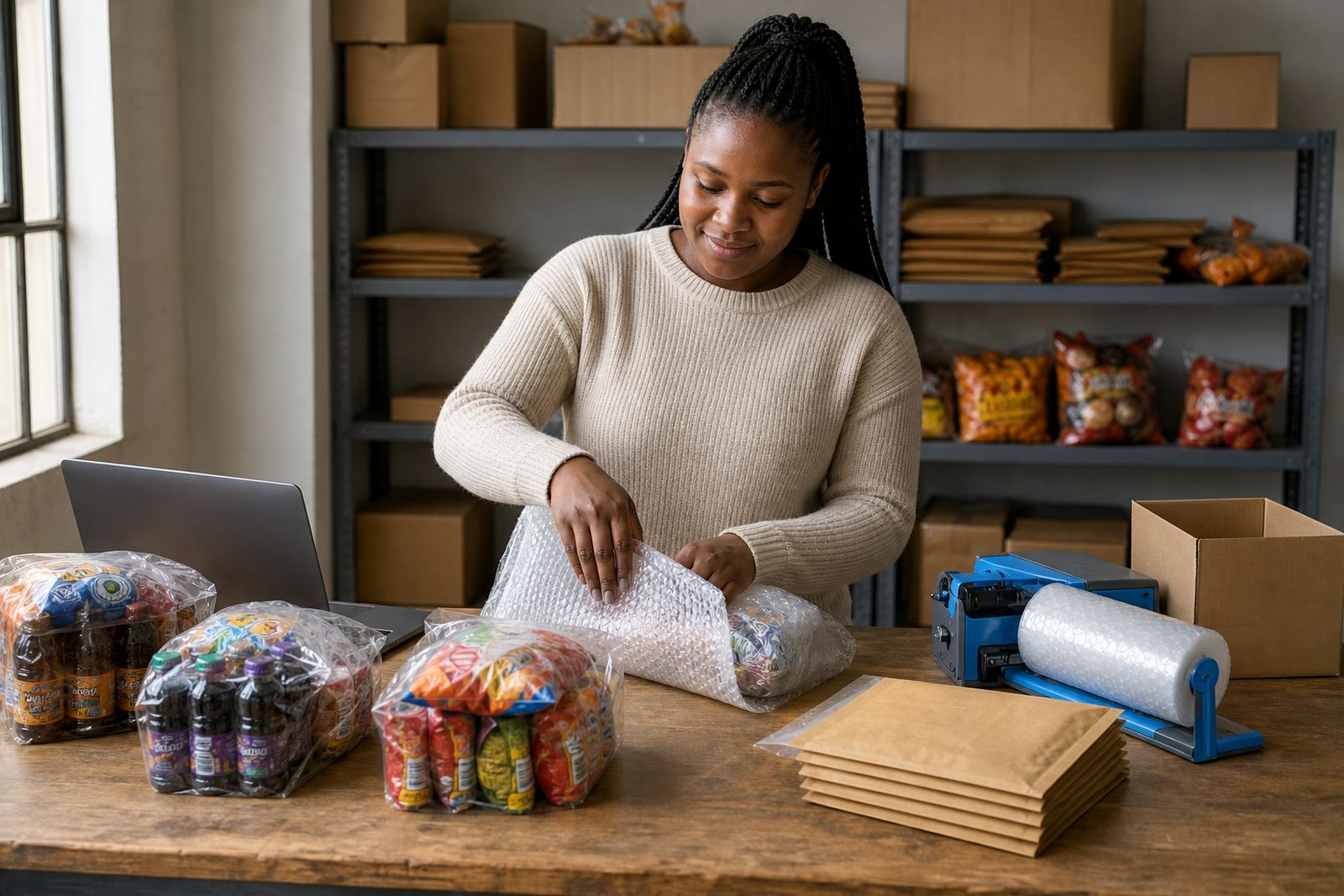
Picture a small trader in Soweto selling toiletries, snacks and school items to customers in Johannesburg, Pretoria and nearby township areas. The delivery page can say local delivery is available on selected days, collection is possible from a set point in Soweto, and courier delivery is used for farther areas like Cape Town, Durban and Gqeberha. That is enough detail for a buyer to decide fast.
Good wording does not try to sound grand. It gives the area, the timing, the payment step and the collection option in everyday language. If your page is easy to read, customers are less likely to leave because they could not find the basics. For informal traders, that matters more than long explanations, because many buyers are shopping on a phone while moving between work, taxis and home.
When the delivery page is written well, it becomes part of the sale, not just a note at the bottom of the site. It helps the buyer choose the right option and helps the trader handle orders with fewer mix-ups.