
Keep the payment message short and plain
Your payment page does not need long explanations. Most customers want to know the payment methods, the order reference, and whether they must send proof of payment. Keep the wording direct, with short lines that are easy to read on a small screen.
Good payment wording uses everyday language. Say what the customer can do, what details to include, and where to send confirmation. If you offer more than one option, list them in the order people are most likely to use them. That helps customers move through the page without guessing.
Write the payment options the way customers use them
Many informal traders sell through WhatsApp, a simple online store, and direct messages on social media. Your payment page should match that buying habit. Mention the payment types clearly and avoid formal phrases that sound like a bank notice. If a shopper in Soweto is ordering groceries or school items, they need clear steps, not a long policy block.
- Cash on delivery, if you offer it, should say where payment is made and when.
- Electronic transfer should ask for the exact order number as the payment reference.
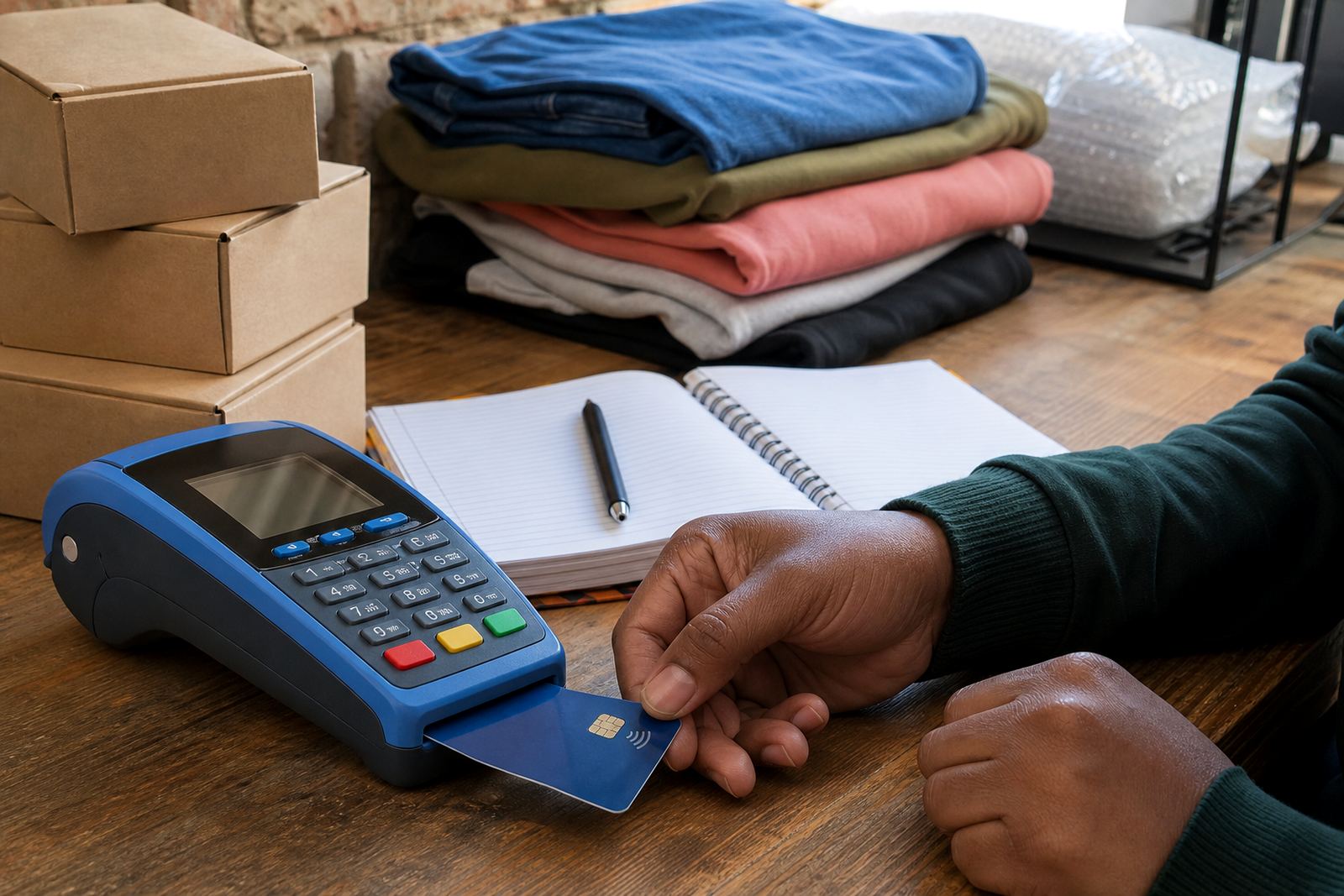
- Card payments should be described in simple words, without technical terms.
- Instant transfer or scan to pay should explain that proof may still be needed.
- If payment must clear before delivery, say so in one line.
For a small store, the safest wording is usually the simplest. Customers respond better to a clean line like: choose your payment method at checkout, then send proof if needed so we can match your order quickly.
Show how to confirm the order without confusion
Confirmation wording matters because many customers pay from a phone while juggling other tasks. If they do not know what to send, your team ends up chasing missing details. The payment page should explain exactly what counts as confirmation and where it must go.
A practical payment confirmation block can include the following:
- Order number
- Customer name
- Amount paid
- Date of payment
- Proof of payment, if requested
- Delivery area or collection point
When you sell across Johannesburg, Durban, Cape Town, Pretoria or Gqeberha, the wording must also make it clear that delivery options may differ by area. That helps avoid assumptions about same day drop offs or long distance delivery on items that are better collected locally.
Use payment wording that fits WhatsApp ordering
For many informal traders, WhatsApp is part of the buying process. The payment page should fit neatly into that flow. A customer might browse the store, ask a question on WhatsApp, then go on to pay. If your wording is scattered, the order can stall. If it is clear, the customer knows the next step straight away.
Helpful wording for WhatsApp orders is practical and direct. It should say whether the customer must send a screenshot, a voice note, or a typed message with the order number. Keep it consistent across the store so people do not receive different instructions from different pages. In places like Alexandra or Tembisa, where many customers shop from prepaid data bundles, short instructions are easier to follow and less frustrating.
You can also remind customers that WhatsApp is for order confirmation, not payment unless you have stated that clearly. That avoids confusion and keeps payment records easier to match.
Match the payment page to delivery and collection choices
If your store offers delivery, collection, or both, the payment wording must show how each option works. A customer ordering in Cape Town may need one set of instructions while a customer collecting in Pretoria may need another. Clear wording reduces back and forth and makes the store feel organised.
Use language that tells the customer what to expect after paying. For example, if delivery depends on location, say that fees are shown before checkout or confirmed after the address is checked. If collection is available, make the collection point and the pickup process easy to understand.
- State whether delivery is available in selected areas only.
- Explain if same day delivery is possible or not, without overpromising.
- Say whether collection is by appointment or during set hours.
- Tell the customer when the order will be packed after payment clears.
This kind of wording works well for spaza shops, home businesses and traders who want fewer phone calls about where the parcel is.
A Soweto example: one payment page, fewer missed orders
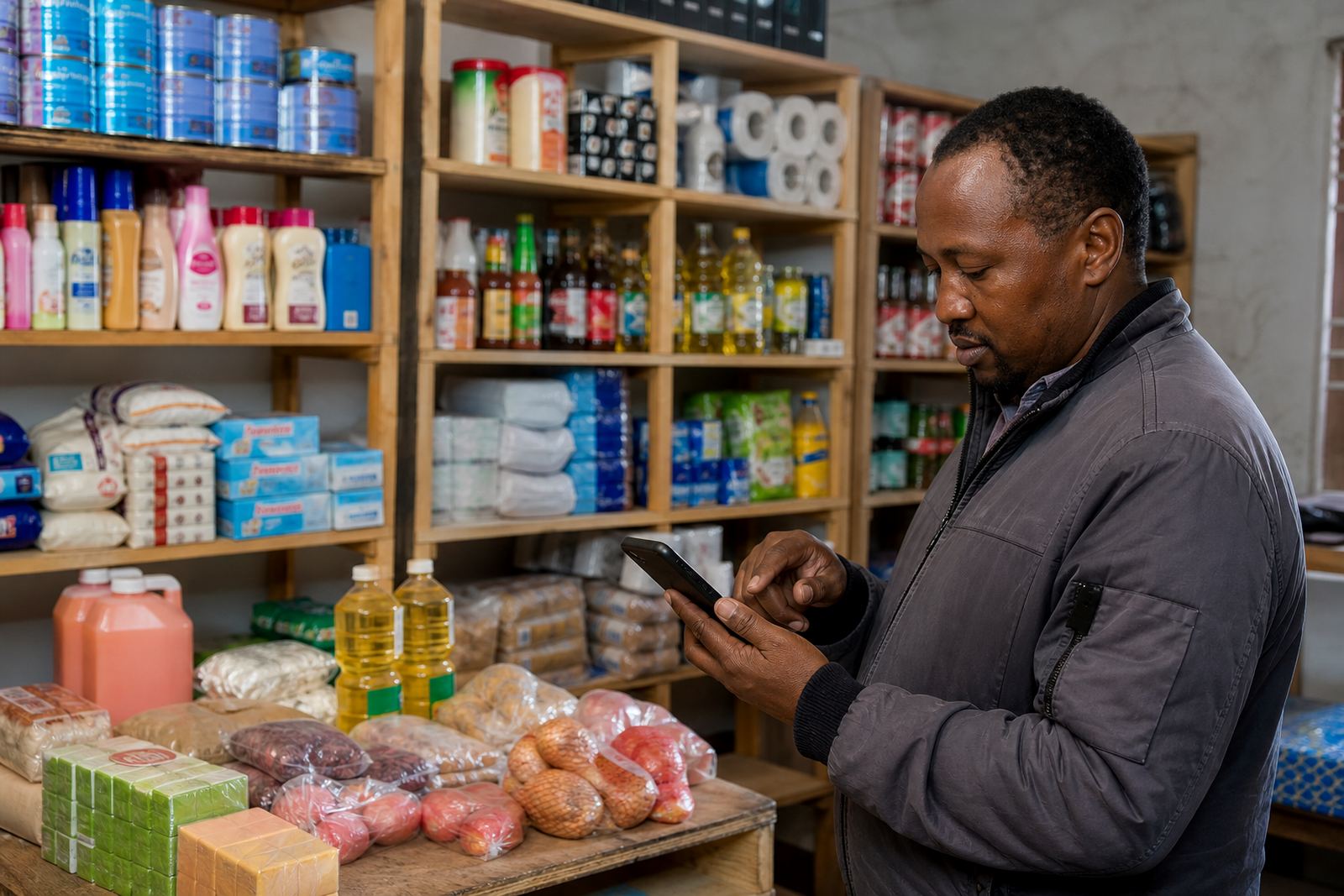
Picture a Soweto trader selling household basics, school snacks and small gift items through a simple online store. The shop has a product page, a WhatsApp button and a payment page. If the wording says only “pay now”, customers still need to ask what reference to use, whether they must send proof, and if delivery is included. That slows the order down.
A better version reads in plain language: choose your payment method at checkout, use your order number as the reference, and send proof if requested so we can process your order. If you want delivery, check the area covered before paying. If you prefer collection, the pickup details will show after checkout.
That sort of copy is not fancy, but it works. It gives the customer confidence, helps the trader track payments, and keeps the store page tidy. It also suits mobile shoppers who want clear steps without scrolling through too much text.
Small wording checks before the page goes live
Before publishing the payment page, read it as if you are the customer using a cracked phone screen in bright sunlight. If the wording is too long, too formal, or too vague, trim it. The best payment pages are the ones people can understand quickly while they are busy, travelling, or shopping with limited data.
Check that your wording covers the basics and does not leave gaps.
- Are the payment methods named clearly?
- Does the page say when proof of payment is needed?
- Is the order reference explained properly?
- Are delivery and collection instructions easy to find?
- Is the wording the same on the store, WhatsApp and pricing page?
For trade businesses in South Africa, good payment wording is part of customer service. It helps the store feel trustworthy without sounding stiff. If tax treatment or payment rules need specialist advice, check with SARS or a qualified adviser so the wording stays accurate for your business.