
Start with the products people ask for most
Many small traders fill a home page with every item they stock, then wonder why shoppers lose interest. A better approach is to place the products that move fastest near the top, especially the items customers ask about on WhatsApp or pick up in person most often.
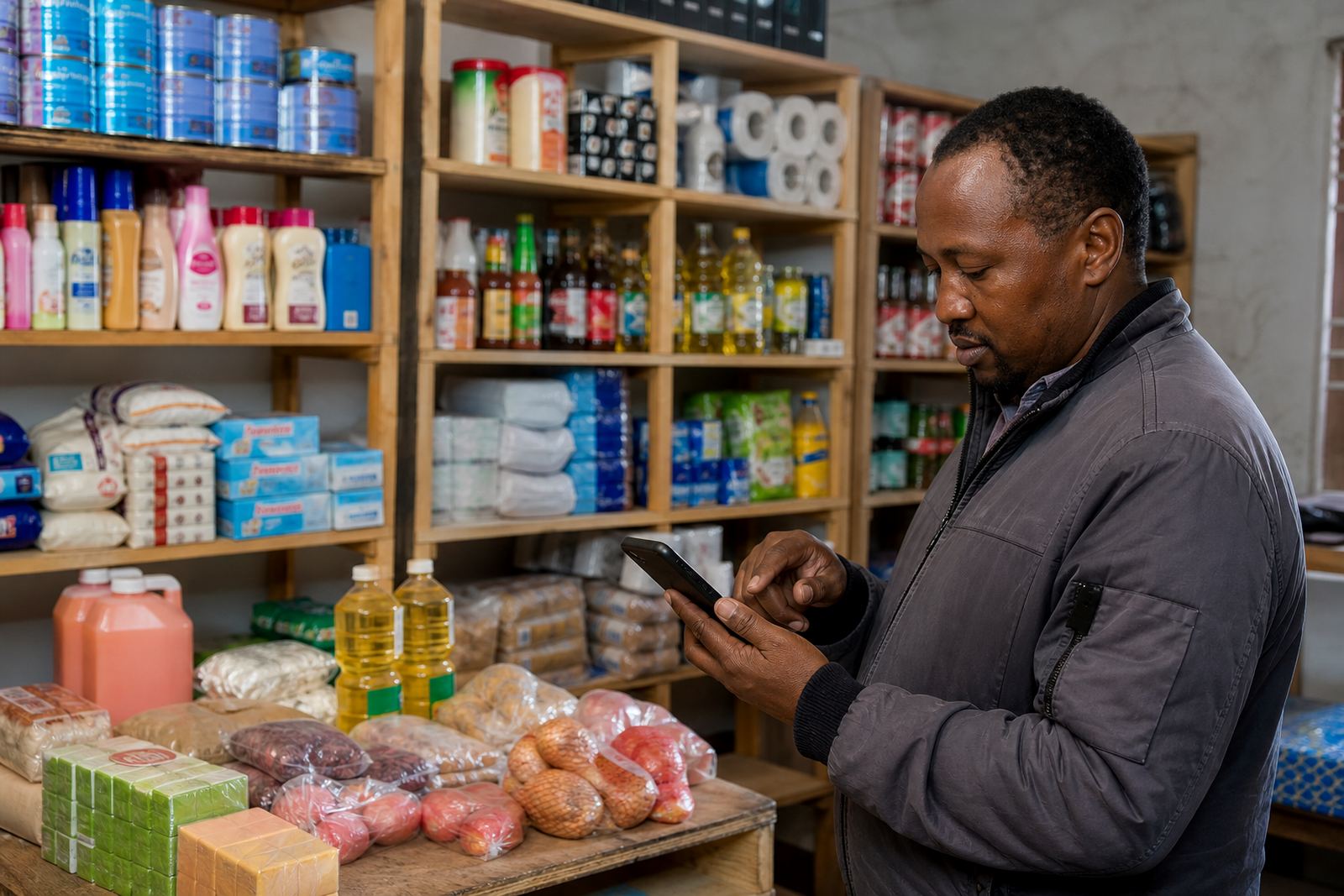
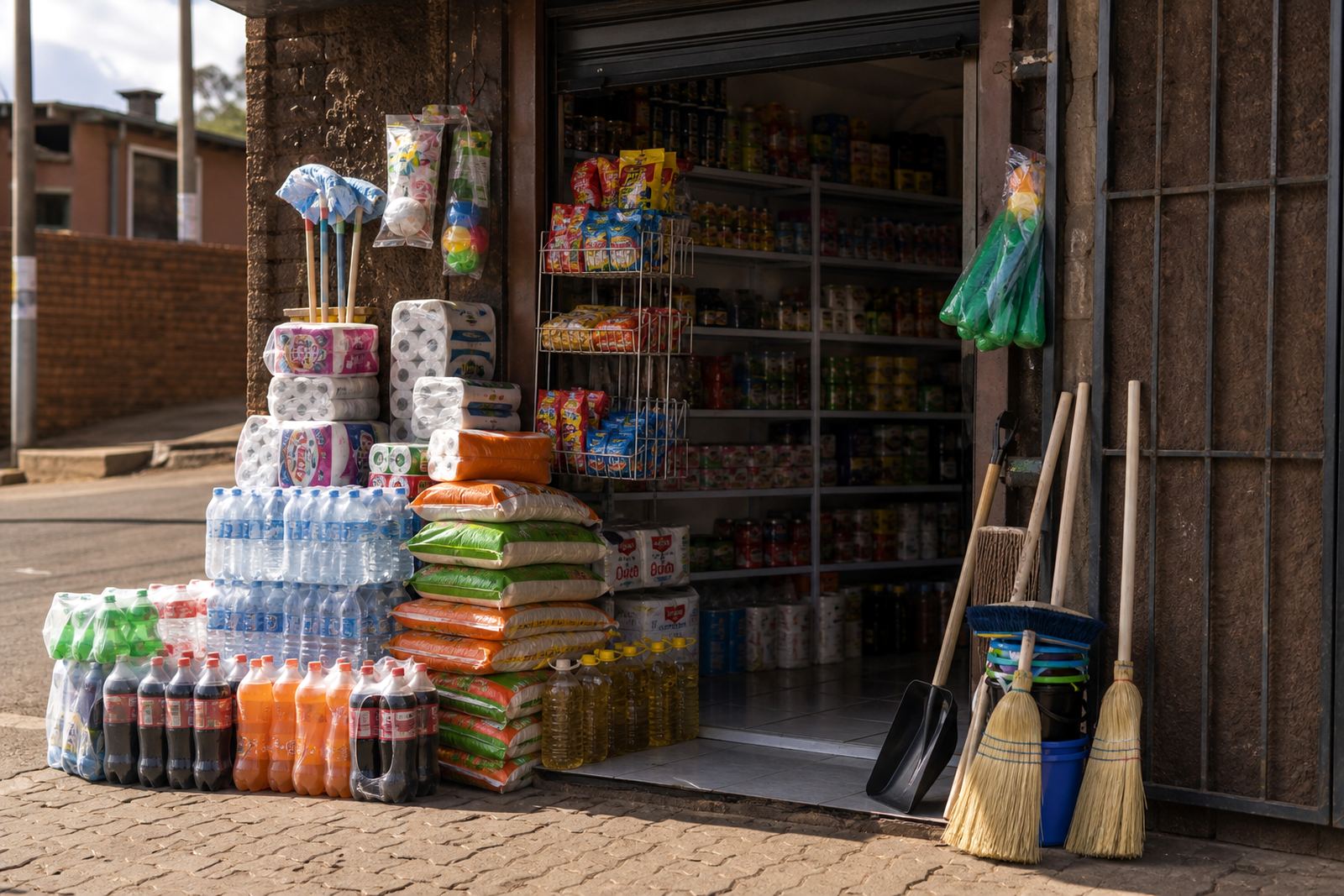
In Soweto, a spaza shop selling airtime, snacks, washing powder and cold drinks does not need to treat all items the same. If maize meal, cooking oil or bath soap moves steadily, those items deserve a clear place on the home page. It helps shoppers understand what the store is about within a few seconds, and it can shorten the path to an order.
Think of your top sellers as the first shelf in the shop. The goal is not to show everything, only enough to guide the customer to the right section without confusion.
Make the page useful at a glance
Popular items should be easy to scan on a phone screen. Use clear product photos, short names and prices that are easy to read. A shopper in Durban comparing lunch items or household goods should not need to zoom in just to understand what is on offer.
Good home pages keep the main items close together. If your business sells both food packs and cleaning products, group them by type so the page feels ordered. A clean layout is especially useful where customers browse during load-shedding on mobile data and want the key details fast.
- Use one main photo per item, with a plain background where possible
- Show the full price in Rand next to the product name
- Keep descriptions short and direct, for example size, quantity or pack count
- Place a WhatsApp order button near the top of the page
- Link the top sellers to the full catalogue, not the other way around
Let pricing do part of the selling
Feature pages work best when pricing is easy to compare. If a shopper can see that a 5 kg pack, a 10 kg pack and a bulk bundle are available, they can decide faster. That matters for traders in Cape Town or Pretoria who serve customers looking for value and convenience, not a long browse through every product.
Keep the pricing page linked from the featured items section so the customer can check sizes and payment options without hunting around. If you sell items with different delivery costs, make that clear in the delivery section rather than in the product title. A neat pricing setup keeps the home page from becoming cluttered.
For home businesses and informal traders, pricing should be checked often. If your costs change, update the visible price first so customers are not left guessing. If tax or compliance questions come up, check with SARS or a qualified adviser before publishing anything that affects your records.
Use featured items to support WhatsApp orders
Many South African shoppers still prefer to ask a quick question before paying. That is normal and it works well for informal traders. When top sellers sit on the home page, your WhatsApp orders become easier to manage because the customer already knows what caught their eye.
A good featured section can include the exact product name, the size and a short order prompt. For example, a shopper in Alexandra may tap a featured item, ask whether it is in stock, then place an order without needing extra back-and-forth. The page should make that flow feel natural.
- Place a WhatsApp order link beside each featured item
- Use the same product name on the home page and in the chat message
- Show whether the item can be collected or delivered
- Keep stock wording plain, such as available or limited stock
- Link to payment info after the customer has chosen the item
Choose top sellers with local buying habits in mind
What sells well in Gqeberha may not be the same as what moves quickly in Tembisa. A home page should reflect the buying habits of the area it serves. If your customer base prefers small packs, bundle deals or daily essentials, feature those items first instead of higher-priced stock that sits too long.
For a home business in Johannesburg, a featured section might include baked treats, meal prep items or cleaning supplies. For a trader serving Cape Town or Durban, the list may lean toward lunch foods, cold drinks or household basics. The point is to show what your customers already buy, not what looks impressive on paper.
SellThat stores work better when the featured items are chosen with actual shop behaviour in mind. That includes what sells in the morning, what moves on weekends and what customers ask for during month end. Even a short list of three or four strong sellers can make a home page far more useful than a long catalogue opener.
Refresh the home page without overcomplicating it
Top sellers are not meant to stay fixed forever. Rotate them when buying patterns change, when a new product starts moving well or when old stock needs less attention. A small change to the home page can make the store feel current without needing a full rebuild.
Keep the change simple: swap the featured product photos, update the order of the items and review the text on the pricing and delivery pages. If the store also has a catalogue, make sure the same products appear there with matching prices and descriptions so shoppers do not get mixed messages.
For Soweto traders and home businesses across South Africa, this kind of upkeep can be handled in short steps. It suits a busy day because the store stays clear, the best items stay visible and customers can act without getting lost in too many choices.
Our team in Soweto supports store setup, product upload help, photo guidance, pricing page help, WhatsApp order setup, payment info setup, delivery page setup, home page refresh, store content writing, catalogue rebuild, staff training and ongoing support.