
Map the handover before you list it
A pickup point works best when the customer can picture it without phoning twice. If you trade from Soweto, Alexandra, Tembisa or anywhere else in South Africa, write the collection details the same way each time: the area, the landmark, the days available and the hours for pickup. If the spot is inside a shop, tuckshop, salon or yard, make that clear so people know exactly where to go.
Keep the wording plain. A line such as “Collect at the front counter near the main entrance” is easier to follow than a long explanation. If the order must be ready before arrival, say so. Customers are less likely to miss the handover when they know whether to wait at a gate, call on arrival or ask for a name at the counter.
- Use one pickup name for the point, even if several people help there.
- List the exact area first, then the street or landmark.
- State the collection days and times on the product page or checkout note.
- Tell customers what to bring, such as an order number or proof of payment.
Make the collection option visible on every page that matters
Customers should see pickup details before they place an order, not after. Put the collection option on the home page, the pricing page, the delivery page and the WhatsApp order message. If you sell bread, school snacks, hair products, household goods or clothing, the same pickup note should appear wherever people decide how to buy.
When the collection point is easy to find in the store, fewer orders get lost in the shuffle. Use a short heading like “Collect in store” or “Pickup at our Soweto point” and then add the practical detail below it. If you serve Johannesburg, Durban, Cape Town, Pretoria and Gqeberha, the wording can stay simple while the location changes by branch or area.
- Put pickup details near the price, not only at checkout.
- Repeat the same wording in WhatsApp replies and product descriptions.
- Keep the address line short enough to read quickly on a phone.
- If the point changes by day, show the change clearly.
That small bit of consistency helps a lot. Customers do not need a long explanation, they need the right place, the right time and a clear name to ask for.
Pair pickup with WhatsApp and payment steps
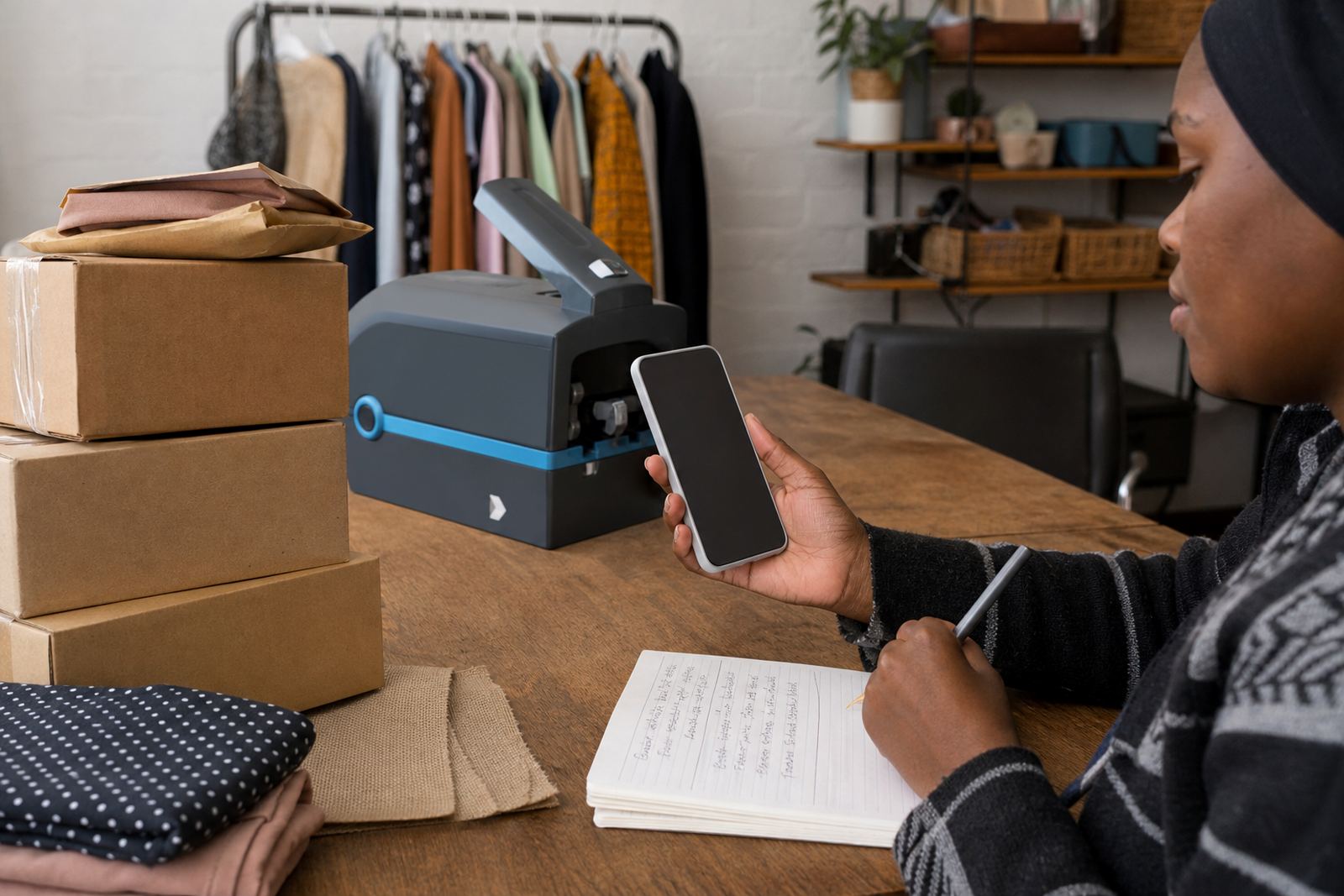
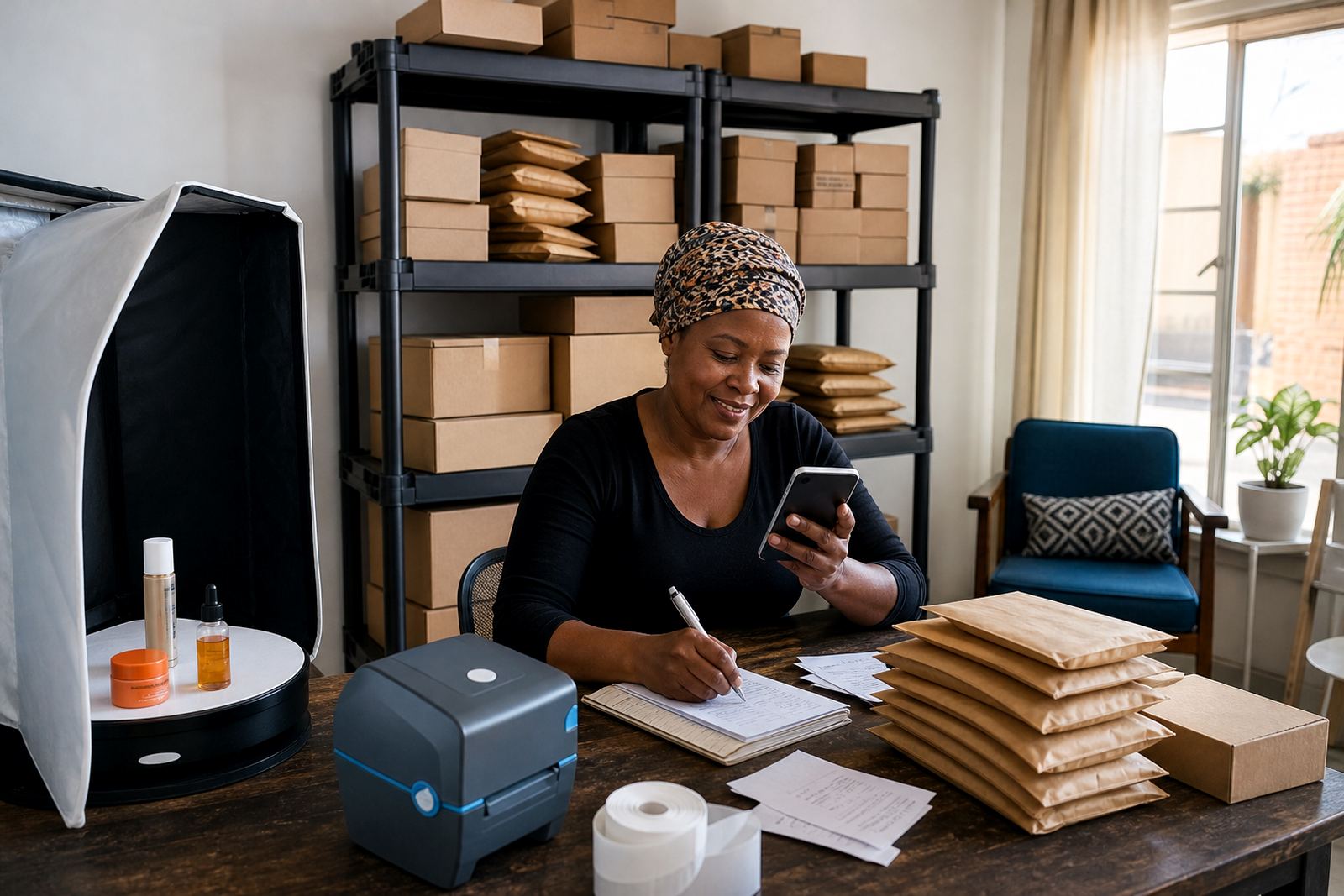
For many informal traders, the order starts on WhatsApp and ends at a collection point. That means the handover process should match the message customers first receive. If someone sends a product list on WhatsApp, reply with the total, the payment choice and the pickup point in the same note. Do not make them search through old messages for the location.
Payment and collection should be linked in a practical way. If you want proof of payment before release, state it clearly. If you allow cash on collection, say that too. Customers in coastal towns such as Durban or Gqeberha may be used to quick mobile ordering, while shoppers in places like Soweto or Pretoria may prefer a simple pickup confirmation before they travel.
- Use one WhatsApp template for all collection orders.
- Include the customer name, item list, amount, pickup point and collection time.
- Ask customers to send a screenshot or reference only if that is your normal process.
- Tell them whether you hold stock until a set time or a set day.
This cuts confusion at the gate or counter. It also saves time for the person handing over the order, because the details are already in one place.
Keep the handover area tidy and easy to recognise
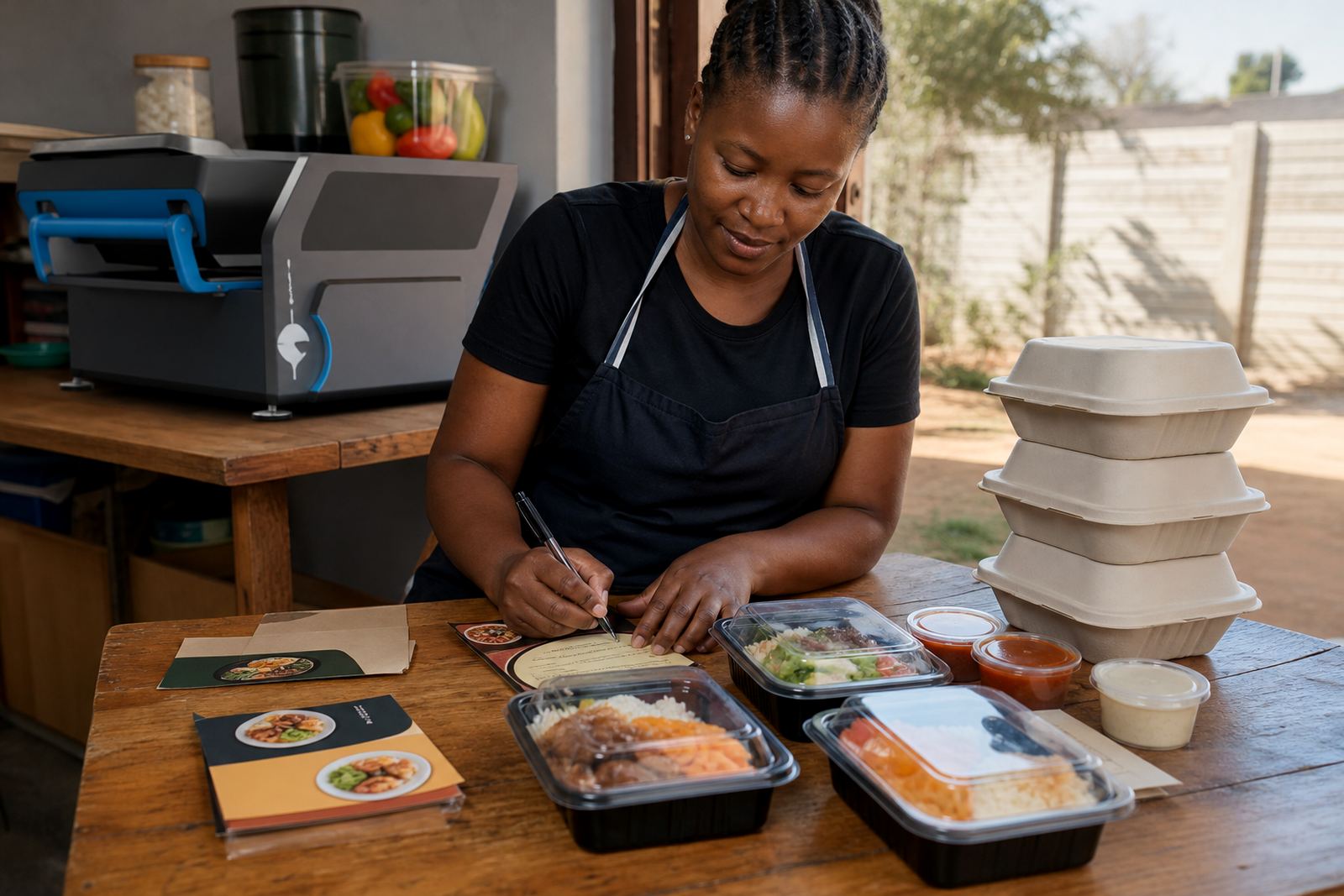
A pickup point does not need to be fancy, but it should be recognisable. A clean counter, a labelled shelf, a box for packed orders or a marked seat for waiting customers helps people know they are in the right place. If the handover happens at a spaza shop or home business, the customer should still spot the pickup area without guessing.
Think about what a first-time customer sees when they arrive. Is the name visible? Can they ask for the right person? Is there enough space to hold a few orders without mixing them up? In busy parts of Johannesburg or Cape Town, even a small sign can make a big difference when several customers arrive around the same time.
- Label orders with the customer name and order number.
- Keep pickup items apart from stock that is not yet packed.
- Use a bag, crate or shelf system that matches your order volume.
- Place a visible marker so customers know where to wait.
On rainy days or during windy weather, a sheltered spot matters too. Coastal humidity can also affect paper labels and packaging, so keep them dry and readable. A small bit of order at the collection point makes the whole business feel calmer.
Train the people who hand over orders
If more than one person handles collections, everyone should follow the same steps. A customer should hear the same message whether they speak to the owner, a helper or a family member at the point. That is especially useful when you run a busy home business or a small shop where people may share tasks during the day.
Training does not have to be formal. A printed note, a shared phone checklist or a short walk-through is often enough. The team should know how to confirm the order, where to place packed items, what to do if a customer arrives early and how to handle a missing reference number. Clear steps stop awkward handovers and reduce mistakes.
- Confirm the customer name before handing over anything.
- Check the packed items against the order list.
- Use the same greeting and closing line each time.
- Keep a quick record of collection times if you need to follow up later.
When the process is steady, customers build trust in the pickup option. They know the order will be ready, and the person at the point knows what to expect.
Use local pickups to support wider sales
A clear collection point can support more than one suburb or city. A trader in Soweto may take orders from nearby areas, while a business in Durban or Gqeberha may use pickup to serve customers who do not want delivery fees. The point is to make collection practical enough that more people can buy without extra back and forth.
For example, a small clothing trader in Johannesburg could list a weekday pickup point near a taxi route and a Saturday handover spot at the home base. Customers then know which option suits their travel pattern. The same idea works for baked goods, cosmetics, cooked food, school items or household products. A pickup point is often the easiest way to serve people who want quick access and a personal handover.
Check your wording before you publish it. Make sure the address, hours and order steps are current, and if your business needs to follow SARS rules or other formal obligations, check with SARS or a qualified adviser. Clear collection details will not solve everything, but they do make customer communication much easier and the final handover far less stressful.