
Why the background matters more than people think
When a customer scrolls through an online store, the first thing they notice is not your wording, it is the picture. A busy background can pull attention away from the product, while a plain one helps the item read clearly on a phone screen. That matters for spaza shops, home bakers, clothing sellers and traders moving stock through WhatsApp orders as well as a website.
In practice, a better background makes it easier for someone to judge size, colour and condition. It also helps a product range look consistent, which gives a store a more orderly feel even if the stock comes from different suppliers and changes often.
What works well in South African trading spaces
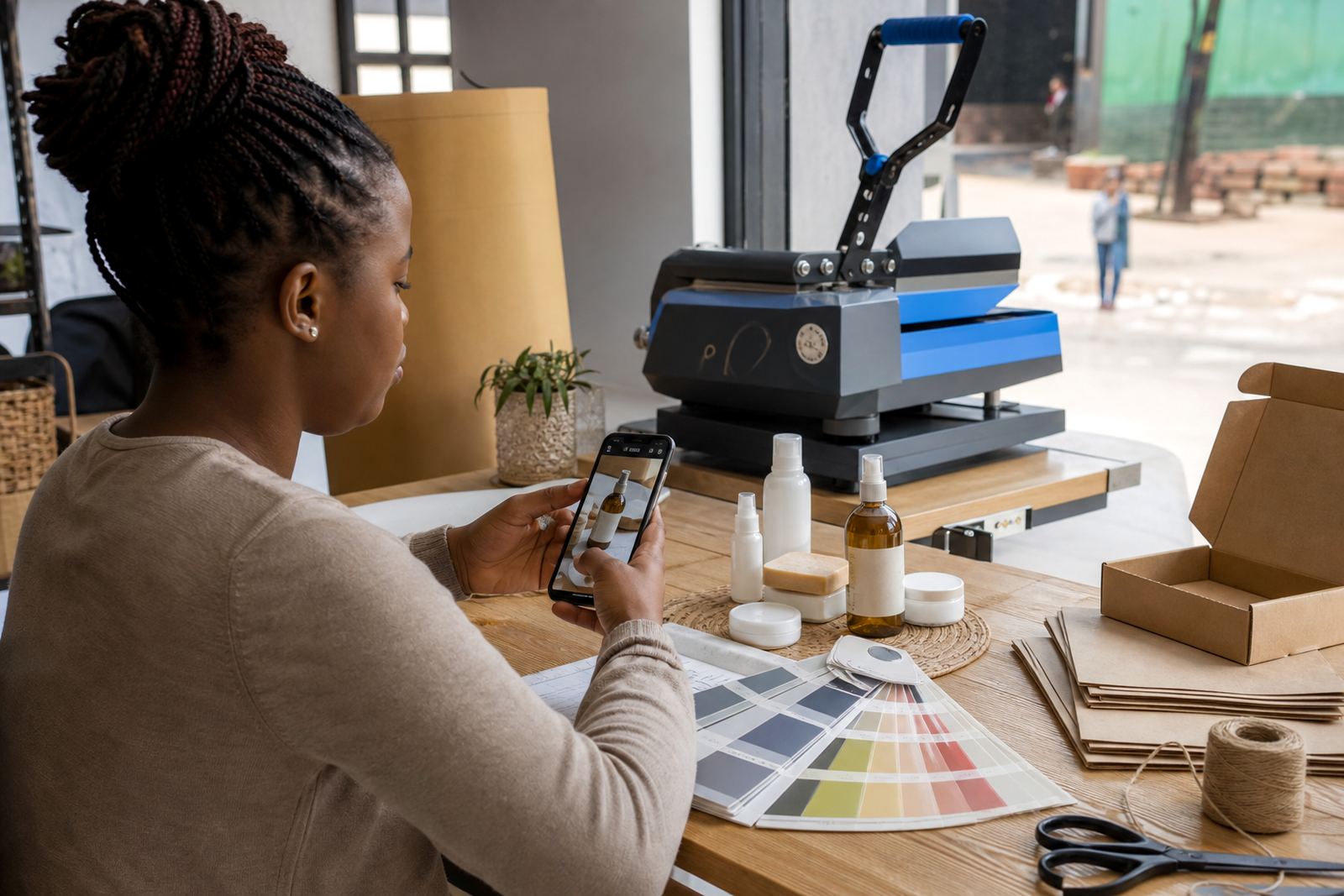
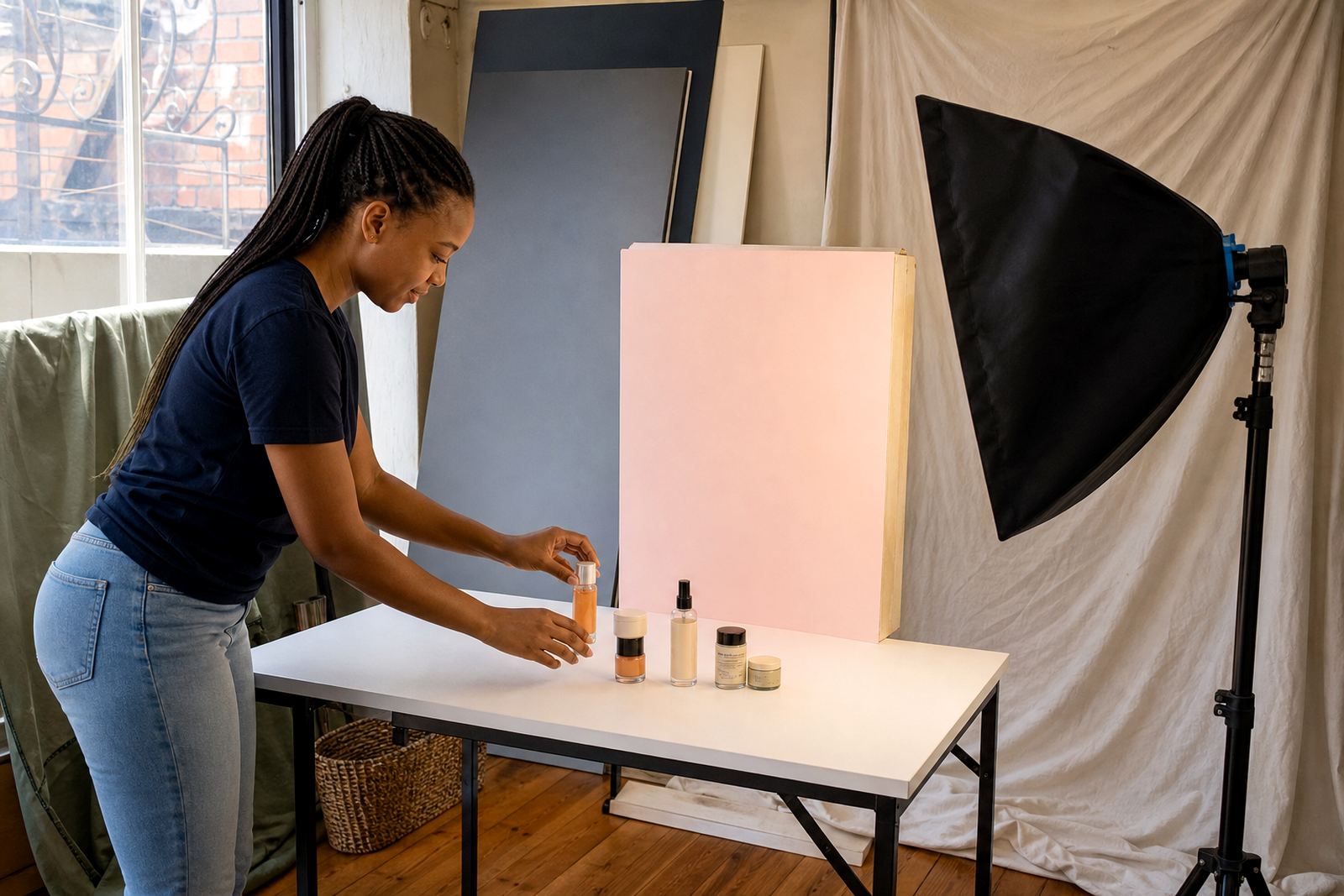
You do not need a fancy studio. A table near a window, a wall with even paint, or a sheet of plain board can do the job. In many homes and trading spaces, daylight is the best option because it shows true colour better than a single bulb indoors. Coastal humidity in places like Durban can also affect paper and fabric backdrops, so it helps to keep your materials dry and flat.
For a market trader in Johannesburg or a home business in Pretoria, the best background is often the one that is easy to set up and repeat. If every product is photographed against the same surface, your catalogue starts to look consistent without extra effort.
- Plain white, light grey, cream or soft beige backgrounds usually work well.
- Light wood can suit handmade goods, baskets and home decor.
- A matte surface reduces glare on bottles, tins and sealed packs.
- Busy prints, shiny tiles and strong patterns tend to distract from the product.
How to keep the product as the main focus
Let the background support the item rather than compete with it. If you sell soap, snacks, clothing or small appliances, place the product with enough space around it so the shape is easy to see. A crowded image can make stock look smaller or untidier than it really is.
For traders who upload items in batches, it helps to set a simple rule: same background, same angle, same distance where possible. That makes product pages easier to browse and cuts down on confusion when customers compare one item with another.
- Keep the product clean before taking the photo.
- Use one background style for similar items.
- Do not place too many props next to the product.
- If colour matters, use neutral backgrounds so the item stands out.
- Check the picture on a phone, not only on the camera screen.
Photo backgrounds for spaza goods, clothing and home items
Different products call for slightly different backgrounds. Packaged food and cleaning items usually look better on a plain light surface because the label must be easy to read. Clothing benefits from a clean backdrop with enough space to show the full shape, especially when you are displaying sizes or colours. Handmade items such as beadwork, candles or small home decor pieces often work well on natural textures, but the texture should stay quiet enough that it does not fight the product.
For a Soweto trader photographing mixed stock, one practical setup is a light wall, a folded cloth in a neutral shade, and a small table near a bright window. That gives enough control to photograph a few items in one session without needing special equipment. If the picture is for a pricing page, make sure the background does not hide price tags or product labels.
A simple background routine that saves time
Once you find a setup that works, keep it steady. That way, your store photos look like they belong to the same business, even when the stock changes. It also makes product upload work faster because you are not deciding from scratch every time. A short routine is often better than chasing perfect pictures one by one.
This is the kind of process many small businesses can manage while balancing daily trading, deliveries and customer messages. It does not need fancy lighting or a large space, only a clean area and a little repeat discipline.
- Choose one spot with decent natural light.
- Use the same background for all products in the same category.
- Take a wider shot and a close detail shot.
- Check for shadows, dust and marks before uploading.
- Rename or sort photos so they match the correct product page.
Local example: keeping a catalogue neat in Soweto and beyond
A trader in Soweto selling clothing and household goods can use a simple white board for most items, then add a soft cloth background for handmade or gift products. That small change helps customers focus on the item instead of the room around it. If the same trader also serves buyers in Alexandra, Tembisa, Durban, Cape Town, Pretoria and Gqeberha, consistent photos make the catalogue easier to browse from anywhere.
When customers order through WhatsApp, clear photos reduce back-and-forth questions about colour, size and condition. They also support pages for delivery options and payment info, because the customer already has a better idea of what they are buying before they ask for the next step.
When to ask for help with the photo side of your store
Some traders are comfortable taking pictures but want a cleaner result for their online store. Others need help building a repeatable setup for product upload, pricing pages or catalogue rebuilds. In those cases, it helps to work with someone who can show what to use, how to position the product and how to keep the look steady across the store.
SellThat supports informal traders, spaza shops and home businesses with store setup, photo guidance, WhatsApp order setup, payment info setup, delivery page setup and store content writing. If you are checking tax or payment rules for your business, speak to SARS or a qualified adviser so the details fit your situation.