
Start with the pages customers look for first
When someone lands on your store, they scan for the basics straight away: what you sell, how much it costs, how to order and how they get the item. If those details are tucked away or scattered, many shoppers will leave before they make contact. For informal traders, spaza shops and home businesses, a small set of clear pages usually does more work than a long menu full of extras.
Think of the store like a stall layout in Soweto or a busy street table in Durban. People want to see the goods, ask a few questions and move quickly. Your pages should do the same job online. Keep the wording plain, use prices that are easy to read, and make sure every page points people to the next step.
- Home page: say what you sell in one short line
- Product page: show the item, size, colour or pack count
- Pricing page: make the price visible without hunting for it
- Order page: explain WhatsApp, payment and delivery choices
Home page layout that feels familiar
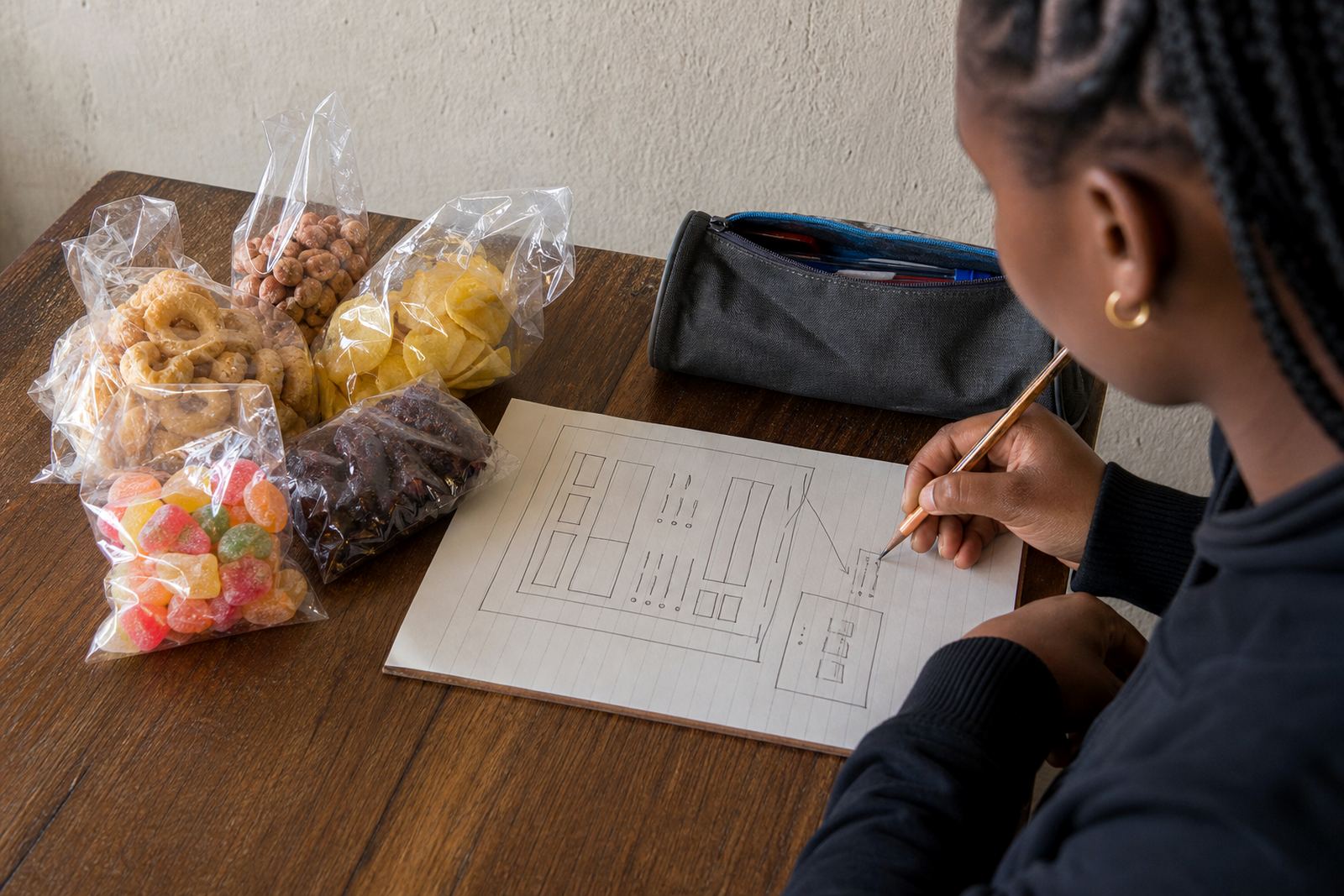
The home page is often the first stop for customers in Johannesburg, Pretoria or Cape Town, especially when they are using a phone and checking quickly between tasks. It should greet them with a clear product range, a few featured items and a simple way to order. Do not try to say everything in one place. Keep the page neat so the customer sees what matters first.
For a clothing seller in Alexandra or a food trader in Tembisa, the home page can show a few items, a short note about collection or delivery, and a button that opens WhatsApp orders. If you sell many categories, use blocks so visitors can move to the right section without confusion.
- One short line that says what the business sells
- Featured products with clear pictures
- A visible order button for WhatsApp
- A short note on delivery areas or collection points
Product pages that answer the real questions
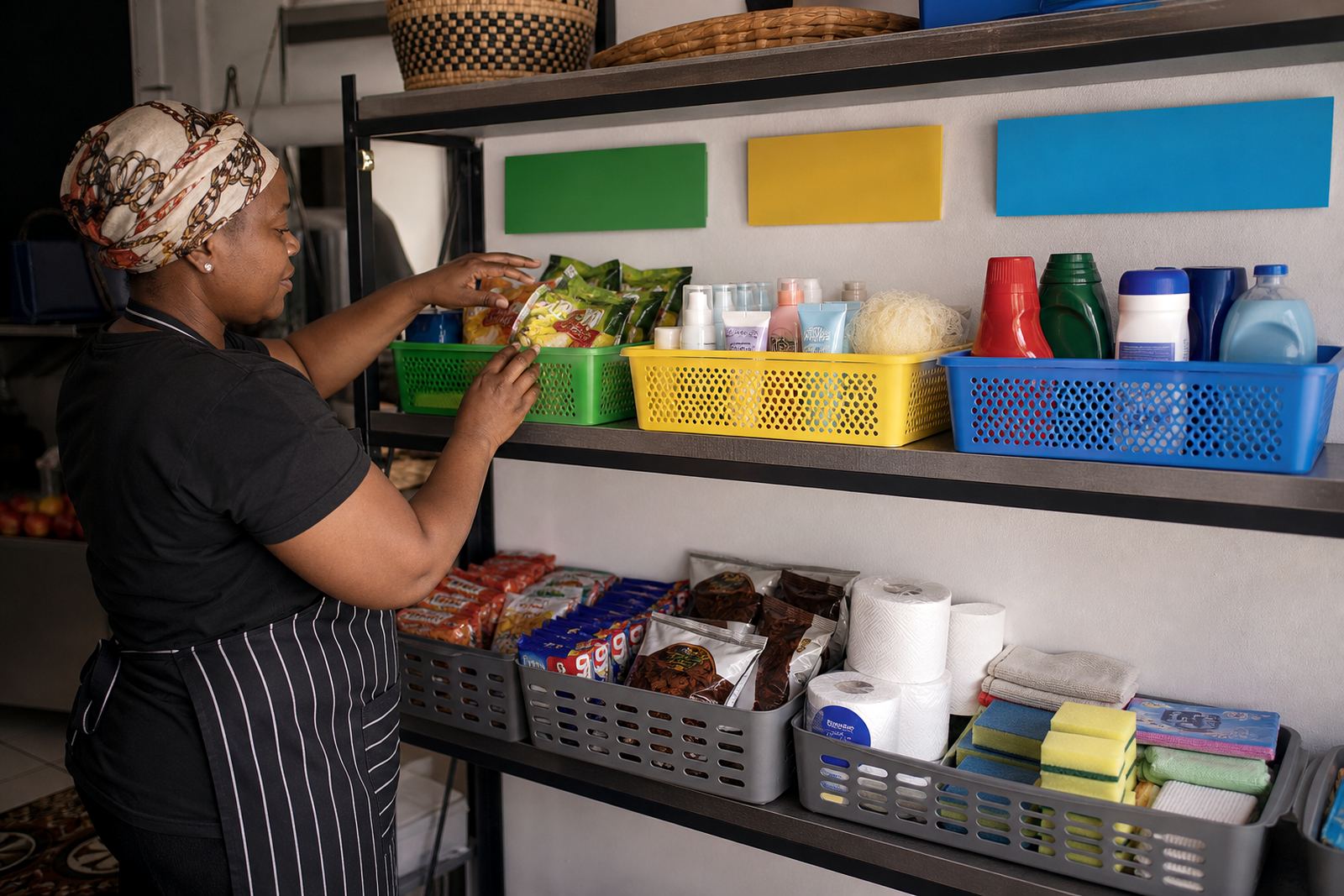
Product pages do the heavy lifting. They should show the item clearly, with the kind of details a buyer would ask at a table or over the counter. If you sell snacks, clothing, toiletries or household goods, the customer wants to know the pack size, the colour, the number of items and whether the product is in stock.
Good photos matter too. Use bright, honest pictures from more than one angle if possible. In coastal places like Durban and Gqeberha, natural light can change through the day, so it helps to shoot when the item looks clean and true to colour. If a product has a small mark, dent or slight variation, mention it clearly instead of leaving the buyer guessing.
- Clear product name and plain description
- Price shown on the page, not hidden in a message
- Size, quantity, colour or variant details
- Good photos that show what the customer will receive
Pricing pages that remove confusion
A pricing page is useful when you stock many items or sell both single units and packs. It helps customers compare options quickly and reduces back-and-forth on WhatsApp. For informal traders, this can be the difference between a quick order and a buyer moving on to the next seller.
Keep the page simple. Group similar products together and list the price beside each one. If you offer bulk quantities, show the pack price and the single item price separately. If there are delivery fees or collection rules, state them on the same page so people know what to expect before they order.
- Group products by type or size
- Show single item and bulk prices clearly
- Explain any delivery charge or minimum order if used
- Keep wording short so mobile users can read it fast
WhatsApp orders, payment details and delivery notes
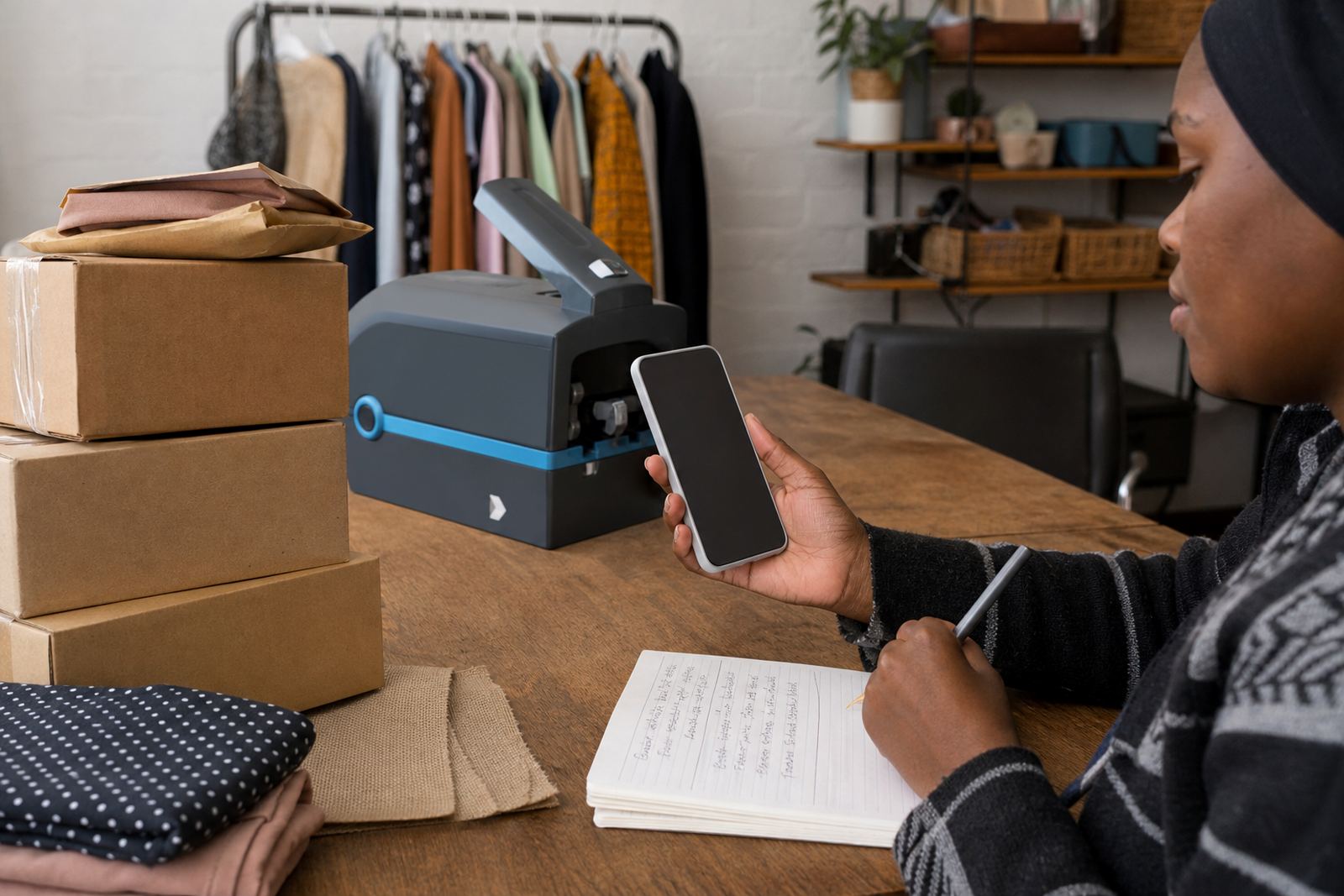
Many South African customers still prefer WhatsApp because it feels quick and familiar. A store page can guide them there without making the process messy. Give them a clear button or link, then list the details they should send: item name, quantity, colour, size and where to deliver. That keeps the chat organised and saves time for both sides.
Payment information should also be easy to find. Some traders prefer EFT, card payments or other common options, while others want payment confirmed before delivery. State the payment choice on the page and keep the wording direct. For delivery, mention the areas you cover, whether you use local handover, courier or collection, and how the customer should confirm their address. If you are unsure about any tax or compliance detail, check with SARS or a qualified adviser.
- WhatsApp order button with a short instruction line
- Payment methods listed clearly
- Delivery areas and collection points explained
- Address details requested in a simple format
Extra pages that help a small shop look organised
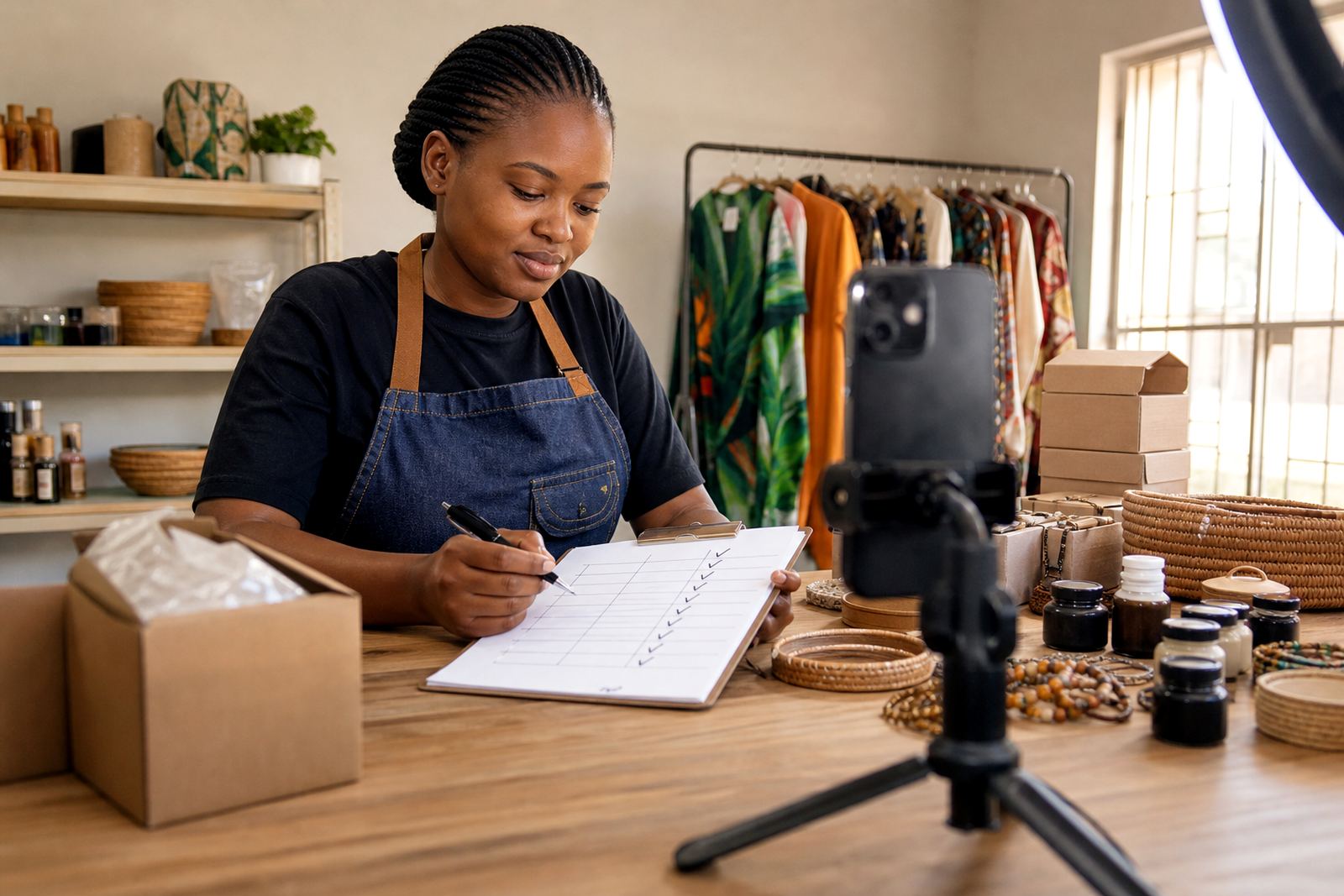
You do not need a large website to look properly organised. A few extra pages can help customers trust that the store is being run carefully and that they can find what they need without confusion. A delivery page, about page, contact page and a short page for store updates are often enough for a small trader.
For a home business in Soweto or a spaza shop serving nearby suburbs, these pages can answer practical questions before they turn into messages. A delivery page can list the towns you cover, a contact page can point people to the enquiry form, and a content page can explain how to use the catalogue. If staff help with orders, a short training page or notes section can keep everyone on the same page.
- Delivery page for areas, timing and collection notes
- Contact page with a clear enquiry form
- About page with a short business background
- Support page for store updates, content or staff training
A Soweto trader example that keeps it practical
Picture a trader in Soweto selling phone accessories, school items and household basics. The store does not need dozens of pages. It needs a home page, a product page for each item group, a pricing page, a WhatsApp order page and a delivery page. That is enough to help a customer in Johannesburg or Pretoria find what they want, compare the price and place an order without confusion.
Once those pages are set up, the next step is keeping them accurate. Update stock, swap out blurry photos and tidy the wording when a product range changes. Small, regular updates help the store stay useful. If the page shows the real product and the real process, customers are more likely to finish the order.
For traders across Durban, Cape Town and Gqeberha too, the same rule applies: fewer pages with better information usually work better than a crowded site that hides the basics.