
A neat parcel tells the customer someone paid attention
When a customer collects an order or receives it by delivery, the packing is part of the experience. A box or packet that is folded properly, sealed well and marked clearly gives the buyer confidence that the items inside were handled with care. For spaza shops, home businesses and market traders, that matters just as much as the product itself.
In busy areas like Soweto, Alexandra and Tembisa, many traders handle orders while serving walk-in customers too. That is where order packing can become messy if there is no set method. A small routine for wrapping, checking and labelling keeps the work moving and reduces mix-ups, especially when several people help with sales.
Start with a packing station that keeps the basics close
You do not need a big room to pack orders neatly. A corner of the stock area or a clean table can work well if the items you use every day are kept in the same place. The point is to avoid searching for tape, bags or labels while orders are waiting.
- Plain bags, boxes or envelopes in a few standard sizes
- Tape, scissors, marker pens and stickers
- Printed or handwritten order slips
- Cleaning cloths for wiping dusty packaging surfaces
- A basket or tray for packed orders waiting for collection
In coastal cities like Durban and Cape Town, humidity can affect packaging that is left open. Store paper bags and labels in a dry spot and keep cartons off damp floors so they stay in better condition.
Check the order before sealing it shut
A neat package is only useful if the contents are correct. Before closing the parcel, match the items against the order details. Check quantities, colours, sizes and any special instructions such as “include a spare battery” or “pack separately”. This quick step can prevent an awkward return later.
It helps to use the same sequence every time: pick the items, inspect them, pack them, then label them. If you rely on handwritten notes, keep the writing clear and use one format for every order. A small trader in Pretoria, for example, may handle breakfast items, cleaning goods and prepaid parcels in the same morning, so consistency matters a lot.
- Count items one by one before packing
- Separate fragile goods from heavier stock
- Use inner wrapping for liquids, powders or loose pieces
- Keep customer name and order number visible
Use labels that make handover easier
Labels do not need to be fancy, but they should be readable. A good label helps staff find the right parcel quickly and helps the customer collect without confusion. Include the customer name, contact detail used for the order, the items inside and any delivery note or collection instruction.
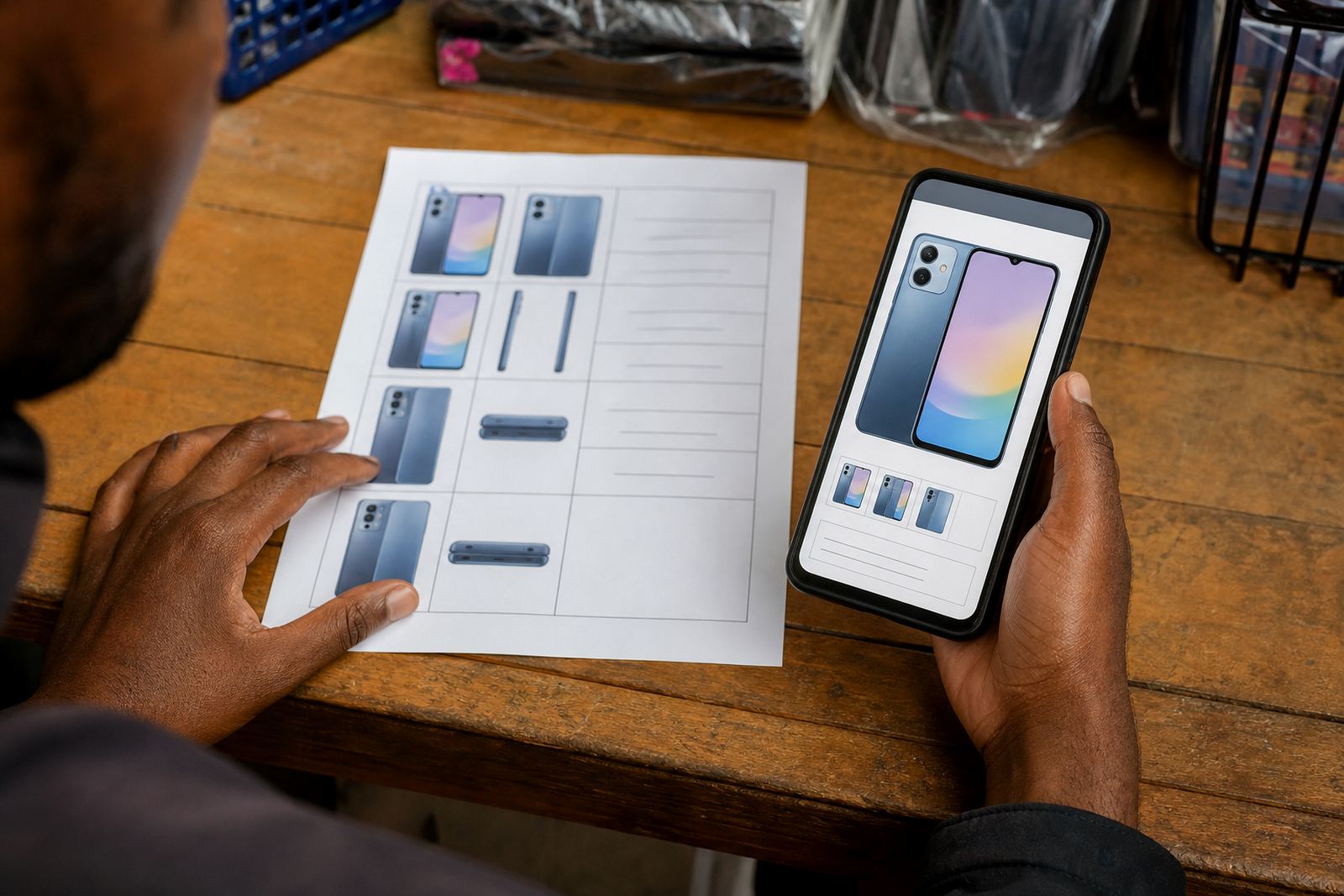
When traders use WhatsApp for orders, the same details should appear in the chat and on the parcel. That way a message, a payment note and the packed order all point to the same sale. If you are building an online store, clear product pages also help because the customer sees what they ordered before the parcel is packed.
For a trader in Johannesburg selling lunch packs and dry groceries, one small typo on a label can send the wrong parcel to a busy collection point. A second check before sealing saves time and keeps customers from phoning to query missing items.
Packing methods that suit different stock types
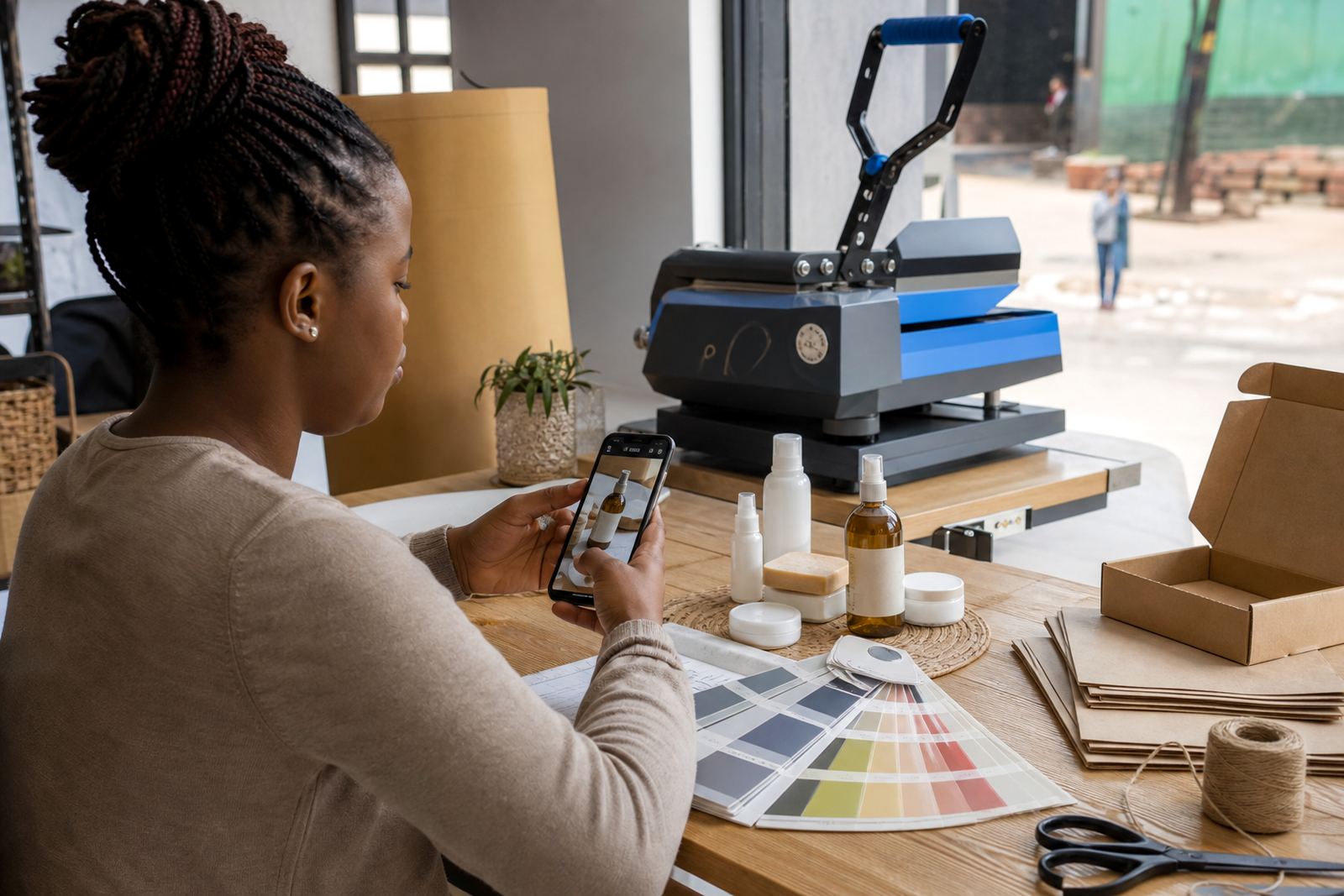
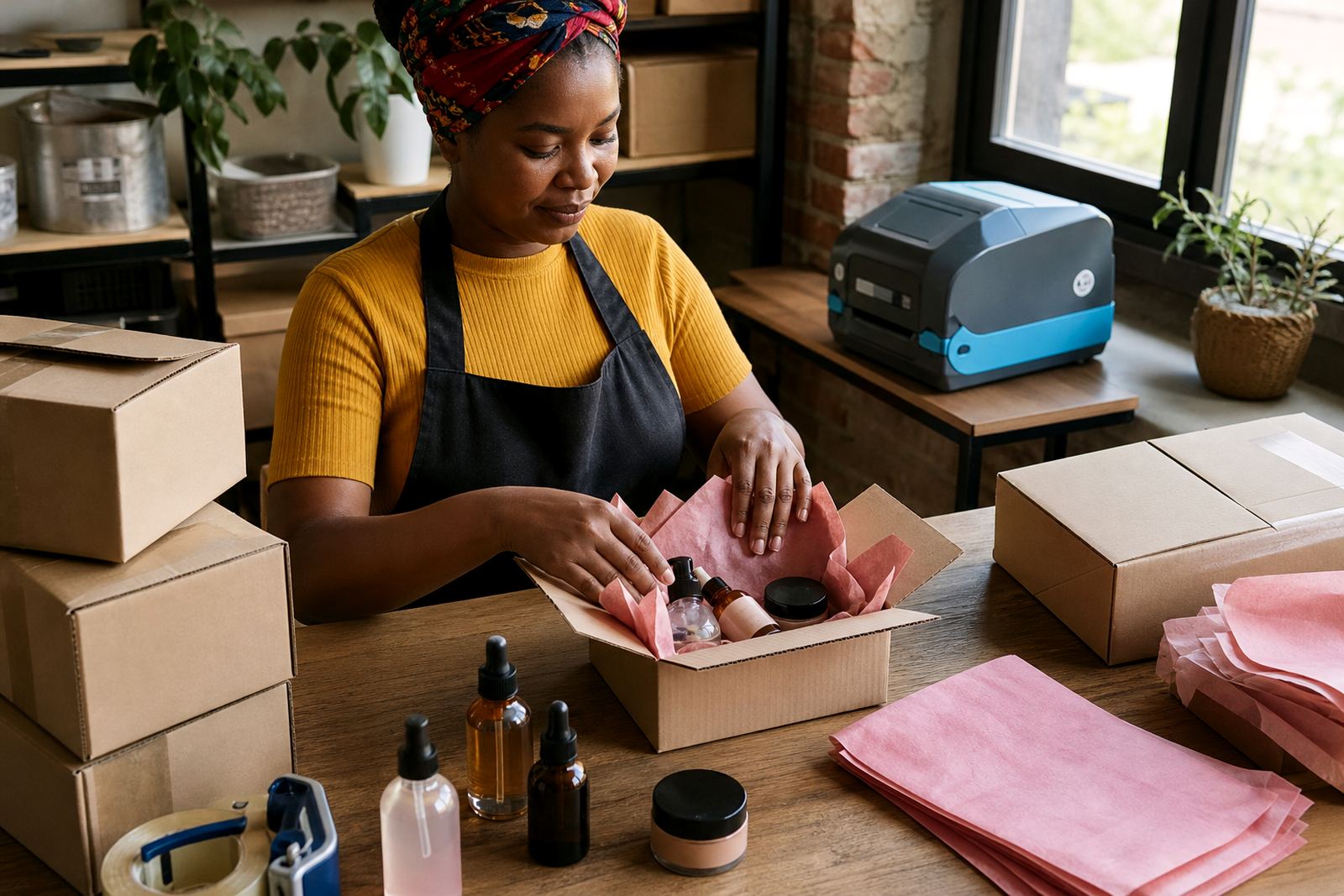
Different products need different treatment. Clothing can be folded flat, while jars and bottles need extra support so they do not knock against each other. Small electronics, cosmetics and fragile household goods need padding. Food items should be packed in clean wrapping and separated from anything that can leak or crush them.
Keep the packing method practical and repeatable. If the parcel travels by bicycle delivery, taxi or a customer’s own transport, think about how it will move and what might shift inside the bag. Simple paper fill, folded cardboard inserts or a second bag can make a big difference.
- Fold apparel so it stays neat and easy to count
- Wrap breakables with paper or soft inserts
- Keep wet, oily or powdery goods in sealed inner packs
- Use stronger outer packaging for heavier orders
- Mark fragile parcels clearly where needed
Delivery and collection work better when parcels are ready to move
Whether a customer collects from the shop or asks for delivery, packed orders should be ready to move without extra handling. A delivery page can explain collection hours, suburb areas covered and any simple instructions for receiving parcels. If the customer pays by EFT, cash, card or another accepted method, the packed order should be matched to that payment record before it leaves.
In parts of Gqeberha and Cape Town, traders sometimes arrange drop-offs with drivers, family members or local couriers. A parcel that is sealed, labelled and grouped by route makes those handovers smoother. It also helps when load-shedding interrupts your routine and you need to continue packing by daylight or with a small backup light.
Keep a short dispatch list for the day. That list can show what has been packed, what still needs payment confirmation and what is waiting for collection. It keeps the work orderly without turning the process into extra admin.
A Soweto trader example that shows the difference
A home trader in Soweto selling bread, snacks and small household items may get orders through WhatsApp and through an online store. On a busy day, the main challenge is not selling the stock, it is keeping each order together and presentable. One parcel may contain five items, another may contain only one bottle and a packet of snacks, but both still need to look cared for.
With a simple packing routine, the trader can print or write the order details, place the items in the right bag, add a clear label and keep each packed order in a separate tray. That means fewer mistakes at collection time and less stress when the next customer arrives. The work stays practical, and the customer sees a business that is organised even if the team is small.
For traders across Johannesburg, Durban, Cape Town, Pretoria and Gqeberha, packing neatly is not about making things look fancy. It is about protecting stock, keeping records in order and handing over each sale with care.