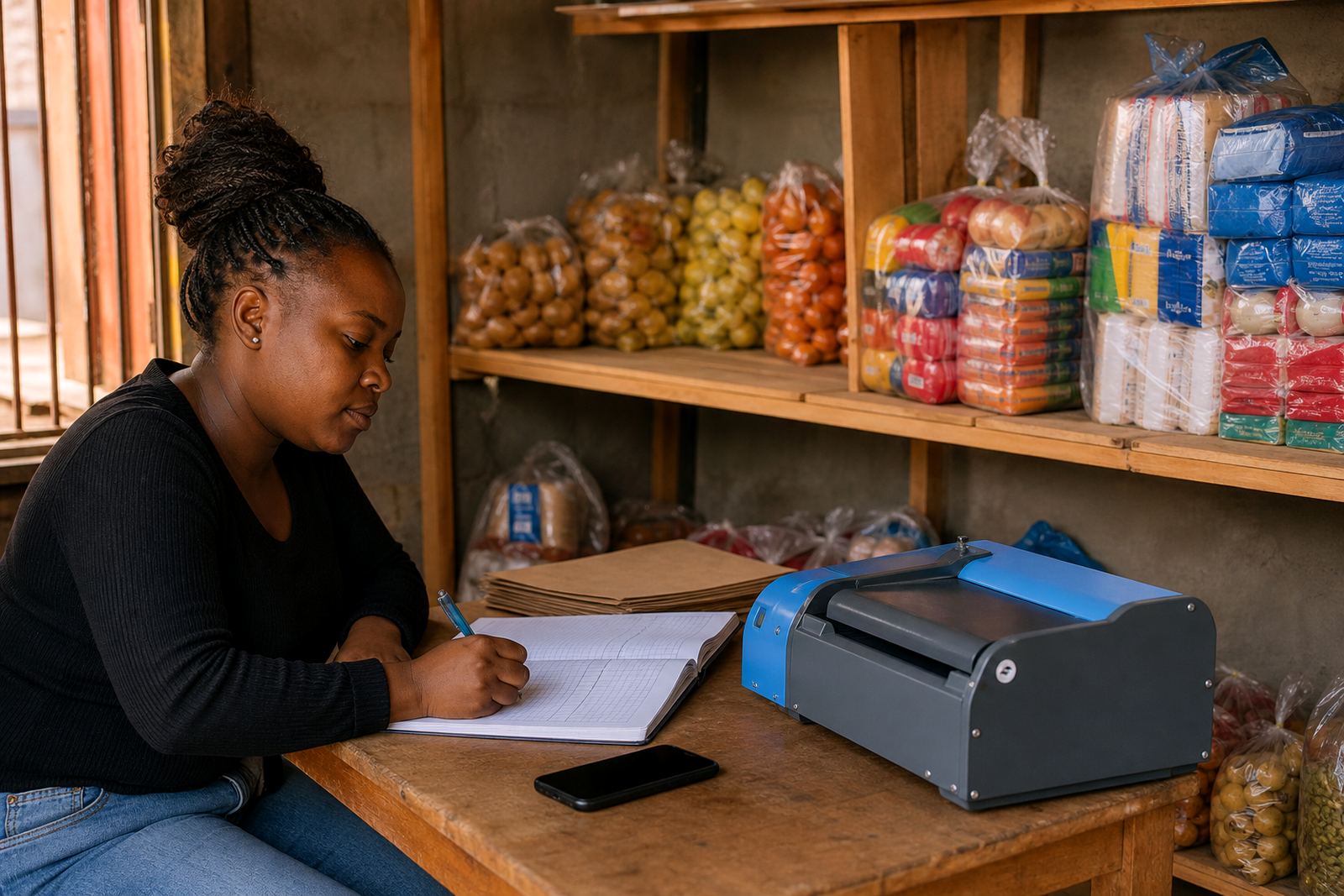

Set the hours customers can actually rely on
Opening hours on an online store should match the way the business really works, not the way people hope it works. If you only check messages after stock has been counted, say so. If you pack parcels after lunch, mention that too. Customers are usually patient when the times are clear, but they get frustrated when they send a message at 20:00 and expect a reply straight away.
For informal traders, the best hours are often tied to the real rhythm of the day. A spaza shop in Soweto may take orders while the shop floor is busy, then confirm them in a quieter window. A home business in Durban might close the ordering window earlier on weekends so stock can be sorted before the next day. Honest timing works better than trying to look available all the time.
Think about three parts: when customers can place orders, when you answer messages, and when collections or deliveries happen. These do not have to be the same. In many cases they should not be the same.
Separate message times from collection times
Many traders mix everything into one line and then problems start. A customer sees “open” and assumes they can collect at any hour. Another customer sends a WhatsApp message late at night and waits for an answer that will only come the next morning. It is better to split the details so people can see what each time means.
- Message hours: the times you check and reply to WhatsApp or store messages.
- Order hours: the times customers can place or confirm an order.
- Collection hours: the times a customer can pick up stock from the shop or home.
- Delivery handover: the times parcels are ready for a driver or courier.
If your store is in Alexandra and collections only happen after school runs and morning trade, write that down plainly. A short note such as “Messages checked from 08:00 to 17:00, collections by arrangement” is far more useful than a vague promise. It gives the customer a real picture of the day and it protects your time too.
Use product pages to support the hours you show
Opening hours work best when the rest of the store backs them up. Product pages should say whether an item is ready for immediate collection, packed after payment, or made to order. If some items move fast and others need extra time, say so beside the item and on the main store page. This avoids confusion when a customer asks for a quick pickup on something that still needs packing.
It also helps to place the hours near the order button, the WhatsApp link and the collection information. That way customers do not have to hunt for it. On mobile phones, where most people in South Africa will view the store, short lines are easier to read than a long paragraph hidden at the bottom.
- Show your main trading hours near the top of the store.
- Add a note if messages are checked only at certain times.
- State when collections happen, and whether appointments are needed.
- Mark items that need extra packing or same-day stock checks.
When the hours and the product details match, there are fewer missed calls, fewer repeat messages and less waiting at the gate.
Keep WhatsApp orders in step with the store
WhatsApp is often the easiest way for informal traders to receive orders, but it needs a structure. If the store says one thing and the WhatsApp line says another, customers get mixed signals. Match the status message, the opening hours and the collection rules so they all say the same thing. Even a simple note like “Orders confirmed during trading hours only” makes a difference.
For a trader in Pretoria selling groceries and household items, the flow might be simple: customer views the store, checks the opening hours, sends a WhatsApp order during the day, gets confirmation, then arranges collection or delivery. That sequence works because each step has a time attached to it. If the customer sends a message after closing, they already know it will wait until the next working period.
When orders are handled by more than one person, the hours should reflect that too. If one person answers messages in the morning and another handles afternoon collections, the store should not act as if the whole team is on duty the whole day.
Plan for stock count, school runs and load-shedding
Opening hours are not only about customers, they are also about what happens behind the scenes. Many home businesses and spaza shops need time for stock counting, price marking, receiving deliveries and packing parcels. If you work from a busy household, that time matters. If you run your store from a place where transport or collections are easier at certain hours, that matters too.
In some areas, daylight and transport links shape the day. In Gqeberha, for example, a trader may prefer collection times that fit the afternoon school rush and the stronger foot traffic on nearby roads. In Johannesburg, a shop owner may keep collection times tighter during peak traffic because customers need to plan their trip carefully. Real hours work better than broad promises.
- Block out time for receiving stock and updating prices.
- Leave a gap for packing, labelling and checking orders.
- Set a cut-off time for same-day collections if needed.
- Adjust hours for public holidays, month-end rushes or market days.
When load-shedding affects lighting, payment checks or order packing, it is best to note any changed hours on the store itself so customers do not arrive at the wrong time.
A Soweto example that keeps the day practical
Take a home business in Soweto selling snacks, cleaning goods and small household items. The owner may want customers to place orders from 08:00, while WhatsApp replies happen between 09:00 and 16:30. Collections might only be available from 13:00 to 17:00, once the morning rush has passed and stock is sorted. That setup is easy for customers to understand and easy for the trader to manage.
The store could show a short message such as: “Orders accepted daily, replies during trading hours, collections by arrangement.” That is plain, local and useful. It tells people what to expect without making the business sound bigger than it is. It also helps new customers decide whether they can work with those times before they place an order.
For spaza shops and home businesses, this kind of honesty often saves more time than it costs. Fewer people arrive too early. Fewer messages sit unanswered. And the trader can keep the day moving without having to explain the same thing over and over.
Keep the hours current when trade changes
Opening hours should change when the business changes. If a trader moves from weekday trading to weekend collections, the store must show that. If the family shop closes early on Fridays, write it in. If certain seasons bring longer trading hours, make the change visible before customers start planning around the old times.
It is also sensible to review the hours when the store adds new services like delivery, catalogue rebuilding or staff training. Once more people are involved, the timings may need to be more exact. The same applies when the business starts serving customers in different towns or delivery zones. Clear hours are part of good customer service, not an afterthought.
For tax, payment or recordkeeping questions, customers and traders should check with SARS or a qualified adviser. The store should focus on showing the times clearly, so customers know when to message, when to collect and when to expect the next step.