
Katlehong brief: show the work and make enquiries easier
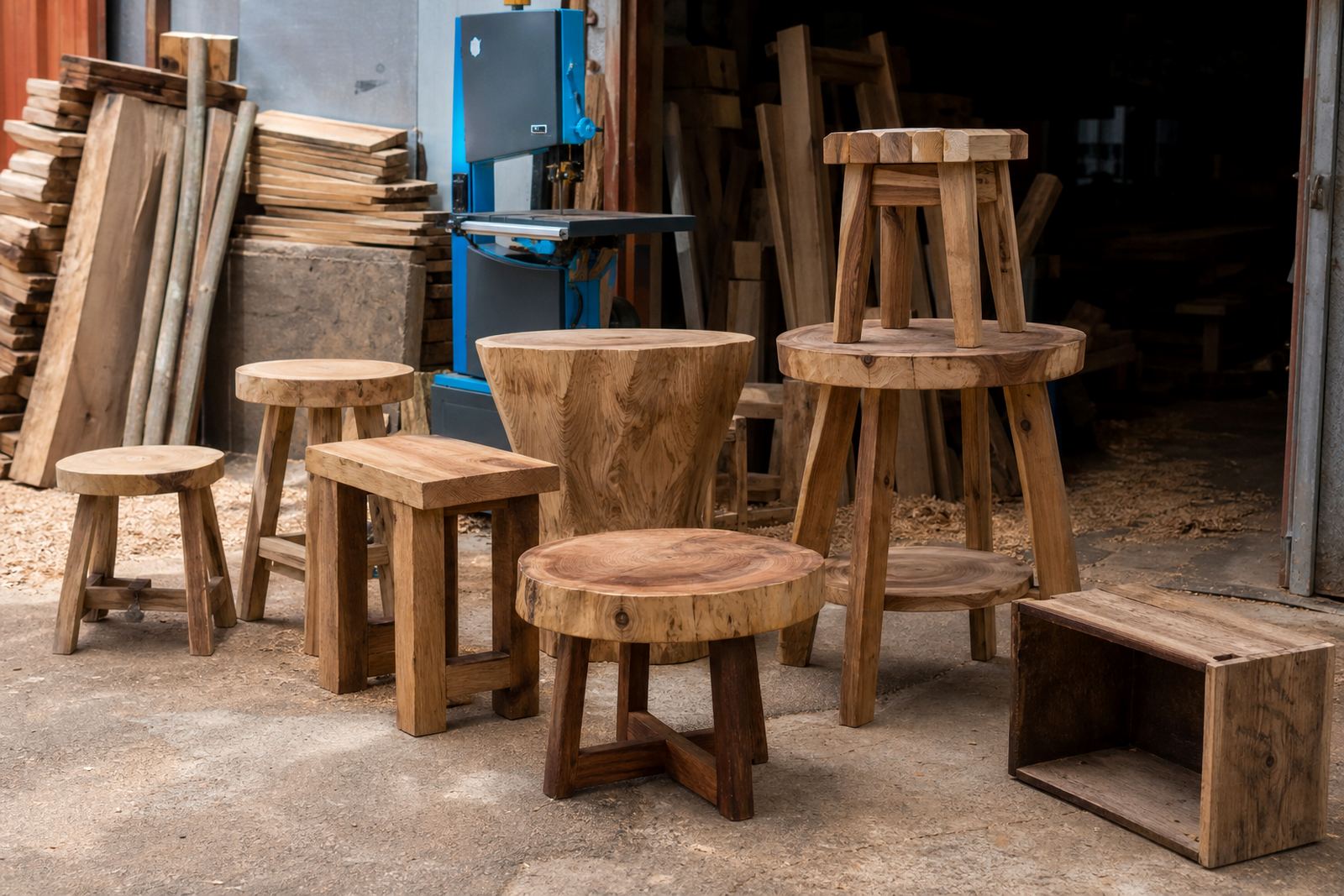
The client was a small furniture maker in Katlehong serving households, landlords and local shops that needed practical pieces without the back and forth of phone calls. The request was straightforward: display completed furniture clearly, show price information where possible, and make it easy for customers to ask about custom sizes, timber options and delivery in Gauteng.
The store had to suit buyers who browse on a phone, often in a hurry, and it needed to feel familiar to South African customers who want to ask questions on WhatsApp before placing an order. The business also wanted a page that could handle both ready-made items and made-to-order work, which meant the layout had to separate the two without making the site feel crowded.
- Client type: small furniture maker
- Town: Katlehong, Ekurhuleni
- Main goal: show completed pieces and capture custom work enquiries
- Audience: local household buyers, spaza owners, landlords and small offices
What had to fit the brief without making it busy
The biggest constraint was content. The business had a few good photos, but not a full catalogue shoot, so the site had to work with the images available and still look orderly. Some products were one-off pieces, some were repeat items, and a few were made to size, so we needed simple structure rather than long sales copy.
We also kept the wording practical. Furniture buyers usually want size, material, finish and delivery info before they ask for anything else. The layout therefore focused on those details, with room for a short note on custom work and a clear path to enquire by WhatsApp. That kept the page useful for people in Katlehong and for customers further afield in Johannesburg, Pretoria and Durban.
- Limited product photos, so image selection mattered
- Mixed stock type: ready-made and custom orders
- Need for mobile-first reading on lower-data connections
- Clear enquiry route for custom dimensions and finishes
Store structure we set up for the catalogue
We built the store around a simple browse-and-enquire flow. The homepage opened with a short introduction to the maker and the kind of furniture available, then moved into a featured range, product cards and a contact section. Each product page carried the key facts a buyer needs before asking questions, including dimensions, finish, use case and whether the piece can be adjusted.
For pricing, we set up clear price pages and highlighted where a quote is needed for custom work. That avoided confusion and made it easier for customers to understand what was fixed and what depended on size or material choice. We also added WhatsApp order setup so a shopper could move from the product page to a direct conversation without searching around the site, which is helpful when someone is comparing a coffee table and a TV stand on their phone.
- Home page refresh with a short business summary
- Product upload help for completed pieces
- Pricing page help for fixed and quote-based items
- WhatsApp order setup for quick enquiries
- Delivery page setup for Gauteng and wider South Africa
Photos, wording and the small details buyers check
Furniture is judged quickly online. If the image is dark or the angle is awkward, the piece can lose attention even when the workmanship is solid. We guided the client on how to photograph items in daylight, how to show scale against a wall or floor and how to present finish choices without overcomplicating the page. A neat set of photos does a lot of work, especially for buyers in Soweto, Alexandra and Tembisa who are scrolling between errands.
We also wrote concise product descriptions that stayed close to the facts. Material, size, colour, storage space and care notes were handled in plain language. Where the maker could supply a range of sizes, we made that clear and added a simple note inviting measurements for custom quotes. The copy avoided clutter and, in a few places, we kept the tone almost like a shop floor conversation, which suited the business. It felt honest, not polished to the point of sounding far away.
- Photo guidance for light, angle and framing
- Short descriptions written for mobile reading
- Notes for custom dimensions and finish options
- Delivery wording kept practical for local and out-of-town buyers
Payments, delivery and custom work notes
The project needed payment and delivery information without turning the store into a legal document. We set up a payment info section that explained the available methods in broad terms and made space for order confirmation before production starts. For delivery, we created a simple page covering local drop-offs, collection and longer-distance delivery arrangements where suitable.
We kept the custom work process easy to understand. Customers could send measurements or a reference photo on WhatsApp, ask about colours or finish and request a quote. For tax and compliance matters, the page points clients to SARS or a qualified adviser where needed. That way the store stays useful without making claims it should not make.
- Payment info section with plain-language order steps
- Delivery options for Katlehong, Gauteng and other areas
- Custom quote pathway for made-to-order furniture
- Compliance note directing readers to SARS or a qualified adviser
Timeline and handover in weeks
The work was handled over a short, practical build period measured in weeks. The first week focused on collecting product details, sorting image quality and deciding which items should sit on the homepage. The second week was used for uploads, page layout and writing the product and pricing copy. The final week covered checks on mobile view, WhatsApp links, delivery wording and a short training handover for the staff member handling enquiries.
By the end of the project, the store was ready to present the furniture line neatly and direct shoppers into the right enquiry path. It gave the business a clearer front end for online browsing and made it easier to deal with customers who wanted prices before visiting. That matters in a trade where people often compare options on the same day and need a quick, clear response once they decide to ask.
- Week 1: content gathering and photo sorting
- Week 2: store build, product uploads and page writing
- Week 3: mobile checks, WhatsApp flow and handover
What changed after the store went live
The finished store gave the maker a cleaner way to present completed pieces, which helped buyers understand the range without needing a long explanation. It also created one place for custom enquiries, so instead of scattered messages and repeated questions, the business could guide people through product choice, measurements and delivery. That saved time and made the brand feel more organised to new customers.
If a similar project came through again, we would keep the same approach: start with the best photos, keep the product pages short and factual, and make WhatsApp the main enquiry path for custom work. That combination suits informal traders and small makers because it respects how customers actually shop, especially on mobile in busy areas like Katlehong, Durban and Cape Town.
- Clearer product presentation for completed furniture
- Faster customer enquiries through WhatsApp
- Better separation between fixed-price items and quote-based work
- Simple structure that can grow as the catalogue grows
Key facts
| Project type | Online store setup for a furniture maker |
|---|---|
| Town | Katlehong, Ekurhuleni |
| Build length | 3 weeks |
| Core pages | Home, products, pricing, WhatsApp orders, delivery and contact |
| Main content | Completed pieces, custom work notes and enquiry prompts |
| Delivery area | Local collection plus Gauteng and wider South Africa where suitable |