
Make the first screen say what you sell
When someone lands on your store, they should know in a few seconds what you sell and where you serve customers. Keep the opening line direct. If you sell braai packs, school socks, phone accessories or fresh produce, say it plainly instead of using clever phrases that make people guess. A customer in Soweto or Durban often scans on a phone while moving, so short wording works better than long paragraphs.
Use a simple home page message, then place the important actions close by. “Shop now”, “Send on WhatsApp”, “View prices” and “Check delivery” are easy to understand. If your store serves nearby areas only, say that too. A shopper in Pretoria may want to know if delivery is local or national before they continue. Clear wording saves time for both sides, and it makes the store feel organised.
- Say what you sell in one line.
- Put prices near the product, not hidden in a paragraph.
- Use buttons that match everyday language.
- Keep the first message short enough to read on a small screen.
Use product names people already say out loud
Many store pages fail because the product names sound too formal. If a customer asks for “2kg mielie meal”, write that, not a label that only makes sense inside the business. If you sell home bakes, mention flavour and size. If you sell clothing, include the size range and colour. If you sell household goods, say what the item is used for in plain words.
Simple names help customers compare options quickly. They also make it easier for staff to answer queries on WhatsApp because the wording is the same everywhere. A home business in Alexandra selling cakes for events can list “Vanilla cake, 20 cm” and “Chocolate cake, 25 cm” instead of giving each item a fancy name. The same applies to spaza shop goods, refill packs and delivery bundles.
- Use common product names first.
- Add size, colour, flavour or quantity second.
- Keep one name style across the whole store.
- Match the title with the photo and price.
Write prices so customers do not have to ask twice
Price pages work best when they are simple and easy to scan. Put the Rand amount next to the item and show the unit clearly. If an item is sold per metre, per pack, per piece or per box, write that beside the price. Customers should not need to open a long note to work out what they are paying for. That kind of clarity matters in busy areas like Johannesburg, Cape Town and Gqeberha where people often compare options quickly.
Where there are different sizes, list them in a tidy order. If there is a deposit, delivery fee or minimum order, keep that wording short and direct. Avoid long explanations that bury the main figure. If your pricing changes often, use consistent labels so customers can spot the difference fast. A clean pricing page can prevent misunderstandings and cut down on repeat messages, which helps the day feel less hectic.
- Show the Rand amount next to each item.
- State whether the price is per unit, pack, piece or set.
- List size changes in one place.
- Keep fees and extras separate from the main price.
Let WhatsApp work like a quick order line
For many informal traders, WhatsApp is where the sale is completed. That is why the store should guide people into a simple message, not a long form with too many steps. Use plain wording such as “Send your order on WhatsApp” and then show what details to include, like item name, size, quantity and delivery area. When the steps are clear, the customer feels more confident and the trader gets a better order the first time around.
In Soweto, for example, a trader selling snack packs might need customers to choose one pack, two packs or a mixed box. The instruction can be written in everyday language: choose your pack, send your address, then wait for confirmation. If you also take orders for collection, say that plainly too. The aim is not to sound polished, it is to make the order easy to place on a small screen with a short message.
- Say exactly what details the customer must send.
- Keep the wording short enough for a WhatsApp message.
- Separate delivery orders from collection orders.
- Use the same wording on the store and in chat replies.
Explain payment and delivery without jargon
Customers feel more at ease when payment and delivery options are explained in simple words. If you accept card payments, bank transfer, cash on collection or other methods, list them clearly. Do the same for delivery areas, collection points and any cut-off times. A customer in Durban may want a delivery option, while someone in Pretoria may prefer collection. Clear language helps both shoppers and the person running the store.
Delivery wording should be direct. Say where you deliver, whether same-day is available, and whether the customer must check the area first. If you work with local drivers or use your own vehicle, that can be mentioned in a plain sentence. Keep it factual. The same applies to payment steps. If proof of payment is needed, say so. If an order is only confirmed after payment, say that plainly. That small bit of clarity can stop a lot of back-and-forth.
- List accepted payment methods in one short section.
- State delivery areas clearly.
- Say when an order is confirmed.
- Keep collection instructions separate from delivery notes.
Use photos and captions that match real stock
Good photos help, but plain wording still matters. A clear picture with a short caption often does more than a long sales message. Show the item against a simple background, then add a caption that names the product, size and any useful detail. If the colour varies or the pack size differs, say that in the caption. This helps customers know what they are looking at before they order.
For traders in coastal places like Cape Town and Gqeberha, moisture and light can affect how products look in photos, so it helps to keep captions honest and simple. If packaging changes or stock moves fast, update the wording right away. A home business selling candles, snacks or clothing does not need fancy copy. It needs language that matches the item on the screen. That is what keeps customers from feeling misled.
Plain captions also make staff training easier. When one person uploads products and another handles messages, everyone can follow the same names and price notes. That kind of consistency matters when several family members or workers help run the business.
A Soweto store that reads like a shop counter conversation
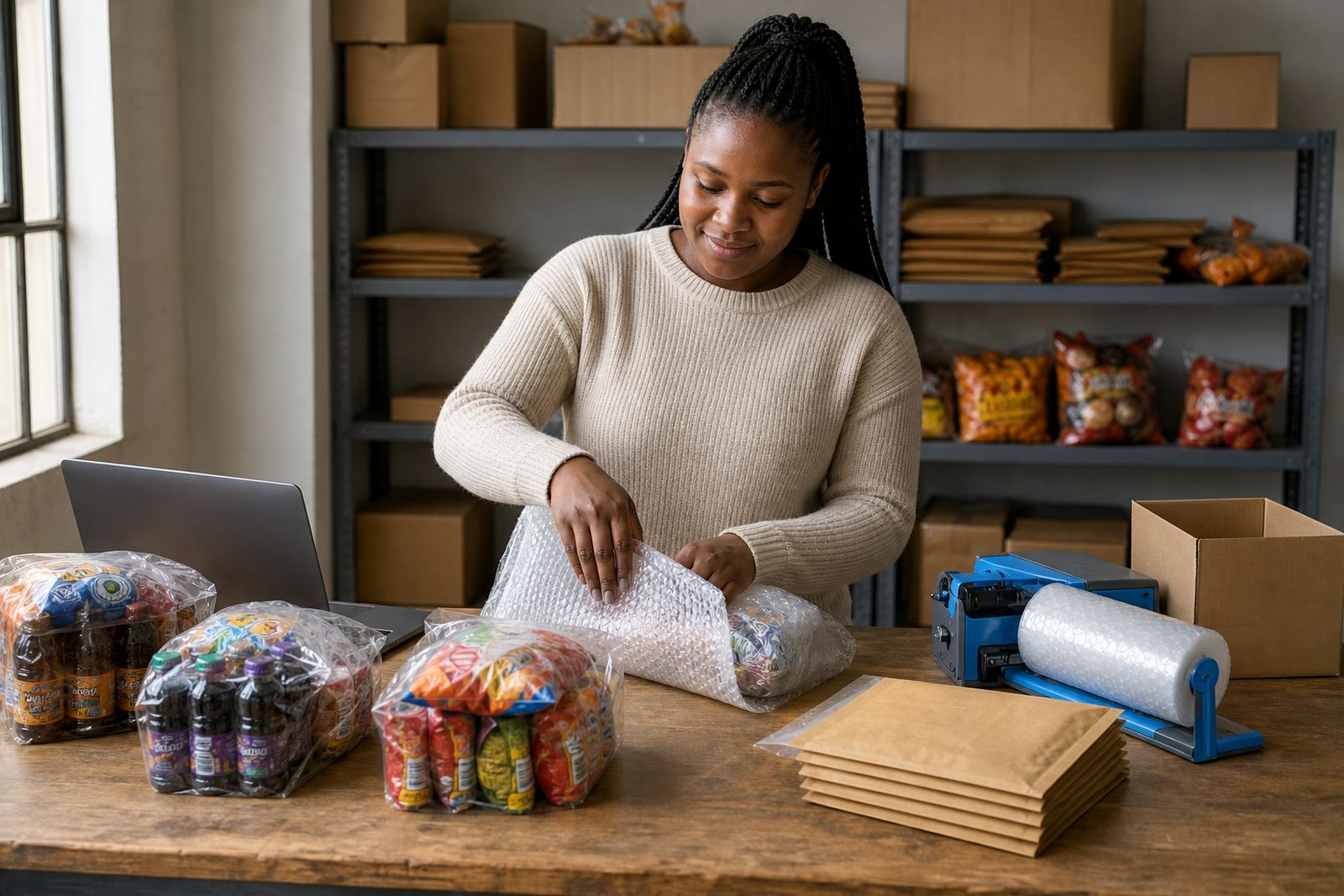
Think of a small trading business in Soweto that sells staple goods, cold drinks and a few household items. The owner wants more online orders from nearby customers in Alexandra and Tembisa. If the store uses simple language, the whole process becomes easier. The home page says what is sold. The product pages show the pack size and price. The WhatsApp button tells the customer exactly what to send. The payment section explains the options. The delivery page lists the areas covered.
Nothing there needs fancy wording. It needs the same kind of clear talk a customer would hear at the counter. That is especially useful when the shop is busy, the phone is ringing and someone is trying to place an order while walking to a taxi rank. Simple language respects the customer's time. It also keeps the business looking organised, even when the stock changes often or the day gets noisy.
SellThat helps traders shape that kind of store with practical support for store setup, product upload help, photo guidance, pricing page help, WhatsApp order setup, payment info setup, delivery page setup, home page refresh, store content writing, catalogue rebuild, staff training and ongoing support. The work is about making the words on the screen easy to follow, so people can find what they need and order without confusion.