

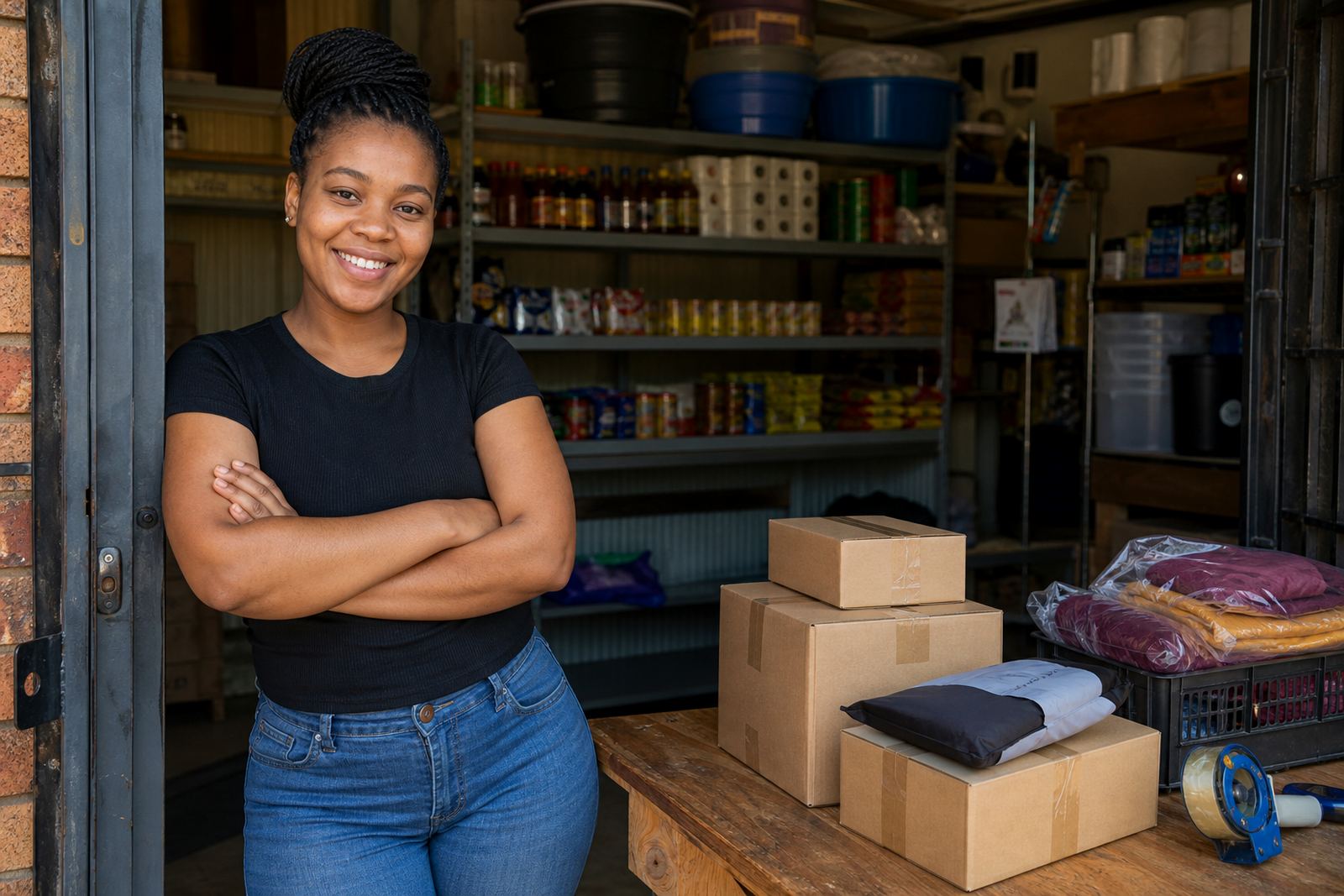
First look, first trust
When a shopper opens your store, they are looking for signs that the business is real, organised and easy to deal with. In South Africa that matters even more for informal traders, because many customers buy while they are on a taxi rank, checking their phone during a lunch break, or comparing a few options before placing a WhatsApp order. The first signs they notice are usually the photo quality, the clearness of the prices and whether the store looks up to date.
A shaky photo, a missing price or a page that looks half-finished can make someone hesitate. On the other hand, a clean product image, a short product description and a visible order method tell the shopper what to do next. It does not have to be fancy. It just needs to be neat, current and easy to understand.
For traders in Soweto, Alexandra or Tembisa, that kind of clarity can be the difference between a quick enquiry and a lost sale. A store that looks cared for gives the impression that the seller will also care about the order, the pack-out and the delivery details. That matters when customers are spending from their own pockets and want to feel sure before paying.
Photos that show the real product
Product photos carry a lot of weight because they answer questions before the customer asks them. Good photos do not need studio lighting or expensive gear. A clean wall, daylight near a window and a steady hand can do a lot. What matters is that the product is shown properly, with the right colour, size and condition visible. If a shopper in Durban is buying for a home near the coast, they may also want to see how packaging looks, especially for items that need a bit more care in humid weather.
Use more than one photo when the item needs it. A front view, a close-up and a side view help buyers understand what they are getting. If the product comes in different sizes or colours, show the options clearly. If it has a small mark, texture or handmade finish, say so. That honesty builds confidence, because it prevents surprises later.
- Take photos in natural light where possible.
- Keep the background plain so the item stands out.
- Use the same angle across similar products for a tidy catalogue.
- Add a photo of the packaging if the item is fragile or easily bent.
- Check that the image matches the price and the description.
Ayanda Kotze, who coaches content and photos for traders, often finds that one neat picture can do more than a long explanation. A clean image helps the customer feel that the seller knows exactly what is being offered, not just roughly.
Pricing pages that do not leave room for guesswork
Clear pricing is one of the strongest trust signals on any online store. People do not like guessing whether a quote includes a bag, a bottle, a refill or a delivery fee. If the price changes by size or quantity, put that in the pricing page in plain language. If there is a bulk price for shops, stokvels or repeat buyers, show the rule clearly so the customer understands what applies.
For informal traders and spaza shops, a pricing page should be short but complete. It should tell the buyer what the item costs, what the pack size is and whether collection or delivery changes the final amount. If tax applies to your business, check with SARS or a qualified adviser about how to show it correctly. It is better to keep the wording simple than to load the page with terms the customer may not understand.
- Show the item name, size and price together.
- If there are different pack sizes, list them side by side.
- State whether delivery is extra or quoted separately.
- Keep discounts and special deals dated so customers know they are current.
- Use the same currency format across the whole store.
A pricing page that is tidy and consistent makes the business feel more organised. It also cuts down on back and forth on WhatsApp, because the customer can see the numbers before asking a question.
WhatsApp order steps that feel orderly
Many South African shoppers still prefer WhatsApp because it feels direct and familiar. That is useful for traders, but only if the ordering steps are clear. A customer should know what to send, what details are needed and what happens next. A short order flow on the store can make the process feel reliable even when the sale happens in chat.
For example, a store can tell the buyer to send the product name, quantity, size and suburb. If the item needs colour selection, include that too. If stock changes often, say so. A trader in Soweto selling household items, snacks or clothing can use WhatsApp to confirm availability, then share the payment and delivery details in a neat way. The point is not to make the process long, just clear enough that the customer is not left guessing.
- Use a short WhatsApp order message template.
- Ask for the exact product name and quantity.
- Include the suburb for delivery planning.
- Confirm stock before asking for payment.
- Keep the tone polite and direct.
When the chat flow is organised, it gives the buyer confidence that the seller will not miss their order. It also helps the trader keep better records, especially when orders are coming in from different areas like Johannesburg, Pretoria or Gqeberha.
Payments and delivery details that calm doubt
Customers want to know how they can pay, where the parcel is going and who is handling delivery. That is where a simple payments page and delivery page can do useful work. List the payment options you accept in plain language and make it clear when proof of payment is needed. If you use bank transfer, card payment or mobile payment methods, say what the customer should do after paying. Avoid clutter and keep the instructions short.
Delivery details matter because they shape expectations. State whether you deliver locally, use a courier or allow collection. If there are different delivery areas, make that clear, especially for larger cities like Cape Town, Durban and Johannesburg where distance can affect timing and cost. If there are cut-off times for same-day processing, mention them only if they are part of your normal system. The more open the information is, the less room there is for confusion.
Karabo Molefe, who coordinates support, sees this often: customers trust the store more when the payment and delivery steps are spelled out in plain wording. They are not looking for fancy text. They want to know what happens after they place the order, and they want to feel that the seller has thought it through.
Steady updates make the store feel alive
One of the easiest trust signals to miss is regular updating. A store that still shows old stock, outdated prices or a stale home page can look neglected, even if the business is active every day. Customers notice when product listings are current. They notice when the home page mentions seasonal items, new stock or the current delivery arrangement. They also notice when the same spelling, photo style and page structure are used throughout the store.
For home businesses and informal traders, this does not mean changing the whole store every week. It means keeping the important details fresh. If something is sold out, remove it or mark it clearly. If you have a new batch of stock, add the photos and update the description. If you have more than one service area, keep those names accurate so buyers know where you operate. In places like Alexandra, Tembisa and Soweto, that kind of upkeep tells customers the business is active and paying attention.
- Review product pages regularly for old prices or missing photos.
- Keep the home page current with your latest offers or stock notes.
- Check spelling, photo size and page layout for consistency.
- Remove items that are no longer available.
- Update delivery or order notes when your process changes.
Consistency does not need to be perfect, but it should be steady. A store that looks watched over gives shoppers more confidence to place an order, pay and wait for delivery without second guessing.