
Put the fastest contact path at the top
Your contact page should not make people hunt for basics. Put your phone, WhatsApp number and collection point near the top, then repeat the same details lower down for anyone who scrolls. If someone is browsing on a prepaid data bundle in Soweto or checking a price during taxi rank time in Johannesburg, they should see the main contact options within a few seconds.
Keep the wording plain. Say what each contact method is for, such as orders, stock checks, delivery questions or collection arrangements. If a customer wants to place a quick WhatsApp order, make that path obvious. If another customer prefers a call before paying, let them know the best time to reach you. Small business buyers do not need a long introduction, they need to know how to make contact without confusion.
It helps to group the basics in one block:
- Phone number for direct calls
- WhatsApp line for quick order messages
- Collection area or pickup point
- Trading hours or call hours
- Town or suburb names customers recognise
Make WhatsApp order details plain and practical
For many informal traders, WhatsApp is the main place where orders are confirmed. Do not leave customers guessing about what to send. Explain the steps in plain language so they know how to place an order, which product name to use, and whether they must send a photo, size or colour choice. This cuts down on back and forth and helps you avoid wrong items going out.
If you sell through a simple online store, the contact page can support the product pages by reminding people what information is needed. A customer in Cape Town may need to ask about delivery to a specific suburb, while someone in Pretoria may want to know if a bulk order can be packed for collection. Keep the instructions short and practical, with no fancy wording.
- Say what to include in a message, such as product name, quantity and size
- Explain whether customers must wait for stock confirmation before paying
- Show if WhatsApp is for orders only or for general questions too
- List the best times for messages and calls so people know when you are active
Collection details should match real trading conditions
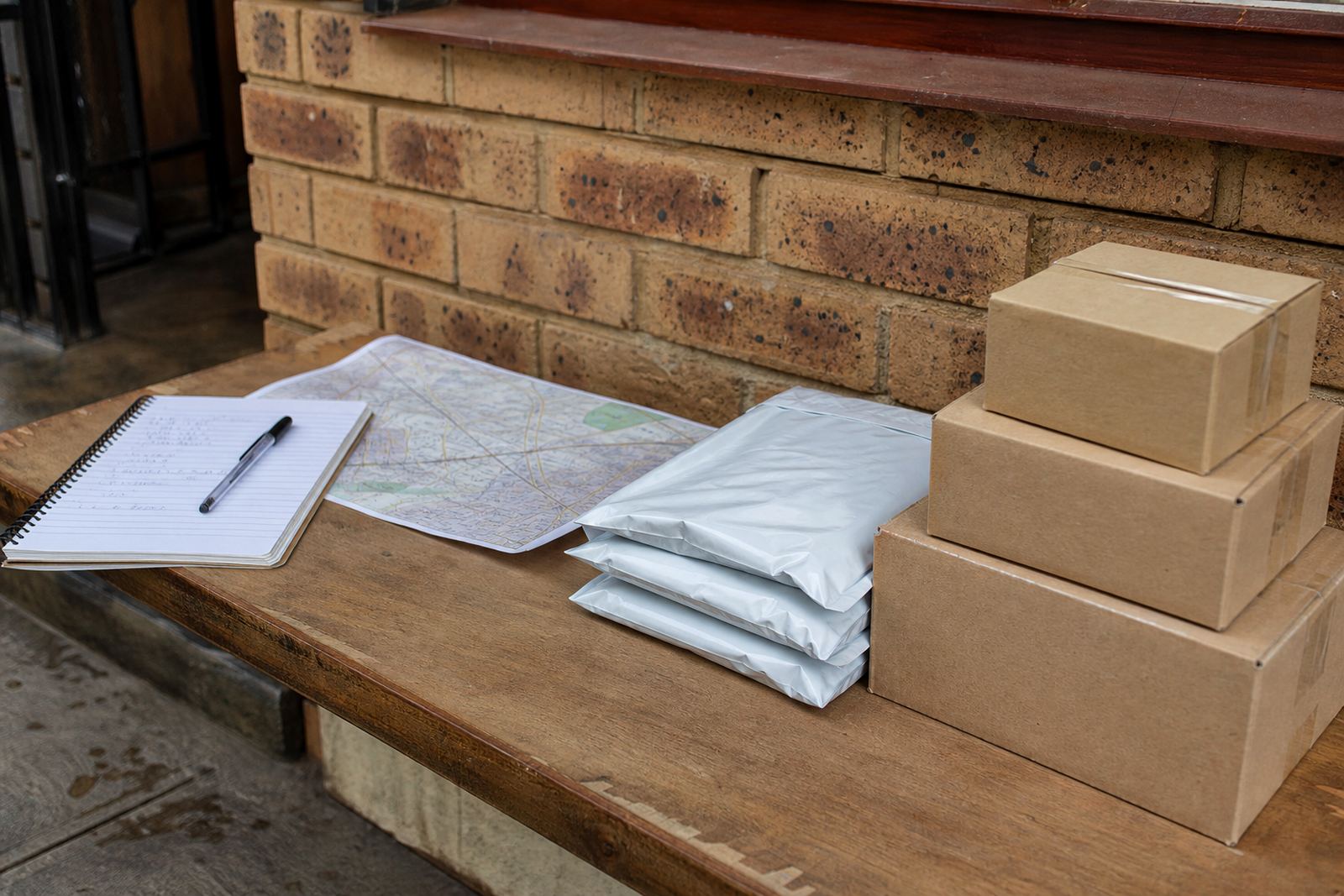
Collection details matter just as much as delivery details. If customers can pick up goods from Soweto, Alexandra or Tembisa, say exactly where collection happens and what they should bring. Many informal traders work from home, a back room, a container or a shared trading spot, so the contact page must explain the arrangement clearly and safely. Do not assume people know the area.
Use local place names that customers recognise. If your pickup point is near a taxi route, a main road, or a busy trading centre, mention that in simple terms. If collections must be booked by WhatsApp first, say so. If a customer must wait for a message before coming through, make that clear too. That helps avoid wasted trips and keeps your trading day smoother.
A useful contact page can cover:
- Exact suburb or area name for pickup
- Whether collections are by appointment or walk-in
- Days and hours for pickup
- What customers should bring when collecting
- Any access notes, such as gate number, shop front, or nearby landmark
Payment and delivery notes belong near the contact details
Customers often check the contact page when they want to confirm payment options or delivery arrangements. Keep these notes short, clear and close to the main contact block. You do not need to write a full checkout page here, only the basics that help a customer decide whether to proceed.
Say what payment methods are accepted on the store, then explain how delivery works in broad terms. If a product must be collected instead of delivered, say that. If delivery options differ by area, make that visible. A trader in Durban may want to know about outlying suburbs, while a buyer in Gqeberha may be checking whether a home delivery can be arranged. Clear notes on the contact page save everyone time.
When writing this section, keep it factual:
- List the payment methods you accept on the store
- Explain whether proof of payment is needed before dispatch
- State if delivery is local, nationwide, or collection only
- Show whether a customer can request delivery to work, home or a pickup point
If payment or tax matters apply to your business, check with SARS or a qualified adviser so your wording stays accurate.
A South African example that makes sense fast
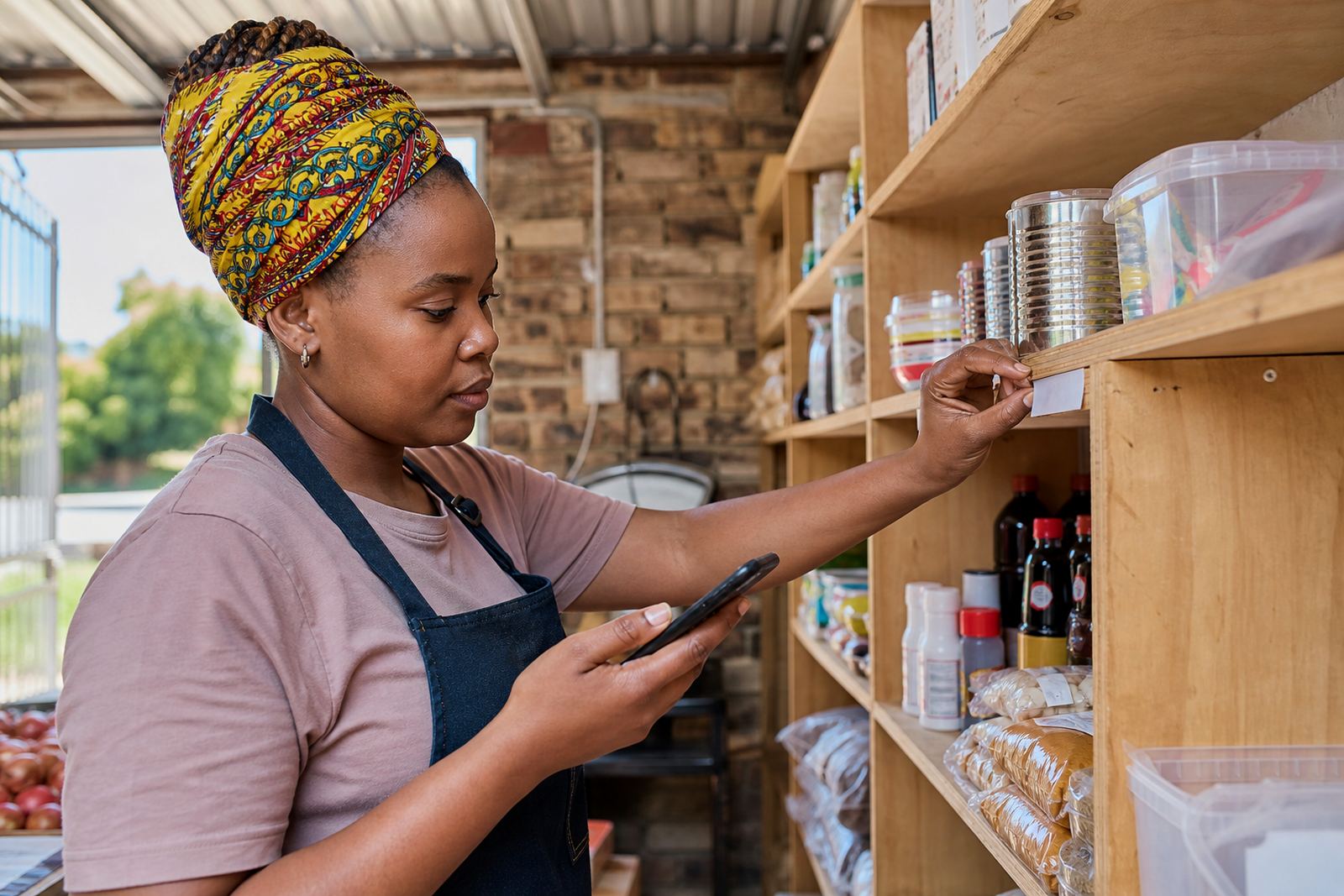
Picture a spaza shop owner in Johannesburg who sells washing powder, maize meal and snacks through a simple online store. The contact page should help a customer answer three quick questions: Can I phone, can I WhatsApp, and can I collect? If those answers are easy to see, the customer is more likely to place the order and less likely to leave the site to ask somewhere else.
A useful page might show a short intro, the main contact number, a WhatsApp line, a collection area in Soweto, and a note that delivery is available to selected nearby suburbs. It could also explain that product questions are handled on WhatsApp and that stock checks happen before payment is confirmed. That is enough detail for most local buyers, without turning the page into a long explanation.
For traders in Cape Town, Pretoria or Durban, the same structure works. The address details change, the trading hours may change, and the delivery options may change, but the contact page still needs to answer the same practical questions quickly.
Keep the page tidy on mobile screens
Most customers will open your store on a phone, not a laptop. That means the contact page should be easy to scan with one thumb. Use short paragraphs, clear labels and enough spacing so people can tap the number or WhatsApp link without frustration. A crowded page makes contact details harder to find, especially on smaller screens or when the signal is weak.
Think about the order of information. Start with the fastest contact route, then move to collection details, then payment and delivery notes, and finish with a short message about store support or trading hours. Keep it practical and direct. If you update your number, pickup point or hours, change it everywhere on the site so customers do not see mixed details.
Useful mobile-friendly checks:
- Can the phone number be tapped easily
- Is the WhatsApp line visible without scrolling far
- Do collection details fit on a phone screen without clutter
- Are suburb names clear enough for local customers to recognise
What a strong contact page should leave behind
A good contact page gives customers confidence. It tells them where to reach you, how to order, where to collect and what happens next. For informal traders, spaza shops and home businesses, that confidence matters because many buyers want a quick answer before they spend their money. If your page is clear, practical and local, it supports the rest of the store.
SellThat store owners can use this page to keep their contact details, WhatsApp order flow and pickup notes in one place. That makes the store easier to use for customers in Soweto, Johannesburg, Durban, Cape Town, Pretoria and Gqeberha, and it helps keep everyday trading simple.