
Start with the order type, not the courier
Before setting any delivery option, decide how the order will be placed and confirmed. Many informal traders take orders through a simple product page, then finish the sale on WhatsApp where the customer can send an address, ask about colour or size, and choose delivery or collection. That keeps things practical when stock changes during the day.
For small stores in Soweto, Johannesburg, Durban, Cape Town, Pretoria and Gqeberha, the first question is often whether the goods are light enough for local hand delivery, or whether they need a parcel service that can move them between suburbs. A pack of school socks is different from a crate of cleaning products, and a customer in a flat differs from someone collecting from a gate or taxi rank.
- List the items that can travel safely in a parcel
- Mark anything fragile, chilled, bulky or easy to damage
- Decide which orders need a customer address and which can be collected
- Keep the delivery choice visible on the pricing page
Local hand delivery for nearby suburbs
Local hand delivery works well when the store serves a nearby area and the order values are modest. It suits groceries, toiletries, small household goods and other items that can be packed in a bag or box. This option can be quicker for the customer and easier to explain on WhatsApp because the trader can name a delivery zone rather than trying to cover the whole city.
In practice, many traders set a simple rule by suburb or by distance. For example, one fee for customers within the immediate township or surrounding streets, then a second fee for places further out. In dense areas like Alexandra or Tembisa, delivery can be arranged to a taxi rank, main road or gate where the driver can hand over the parcel without wasting time looking for a unit number.
- Use clear delivery zones such as near, medium and far
- State whether the fee changes by distance or parcel size
- Ask for a full address and a contact number on WhatsApp
- Keep proof of handover, such as a photo or message confirmation
Collection points that suit busy traders and buyers
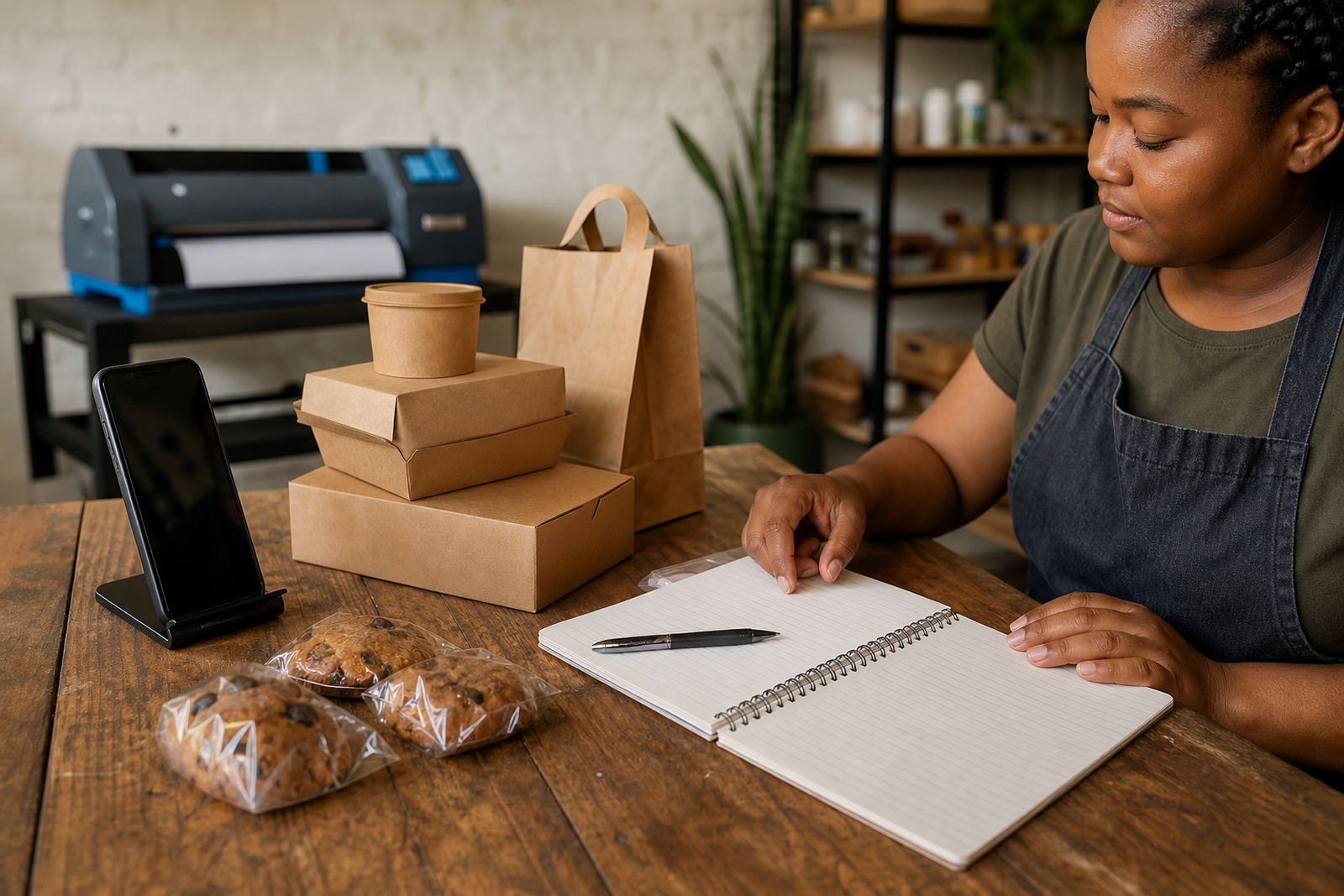
Collection is often the easiest option when a trader does not want to manage daily transport or when customers prefer to pay and fetch later. It works well for spaza shops, home businesses and market sellers who already see regular foot traffic. A collection point can be the shopfront, a home gate, a market stall or another place that is easy to find and safe for both sides.
Collection is useful for customers who are already in the area and want to avoid delivery costs. It also helps when the item is large or when the customer wants to check it before taking it home. The main thing is to make the handover time and place clear, then keep the stock ready so the buyer is not waiting around.
- State the exact collection area, not just the street name
- Keep collection hours short and practical
- Separate paid orders from unpaid holds
- Write the customer name and item details on every parcel
Courier and parcel delivery for wider reach
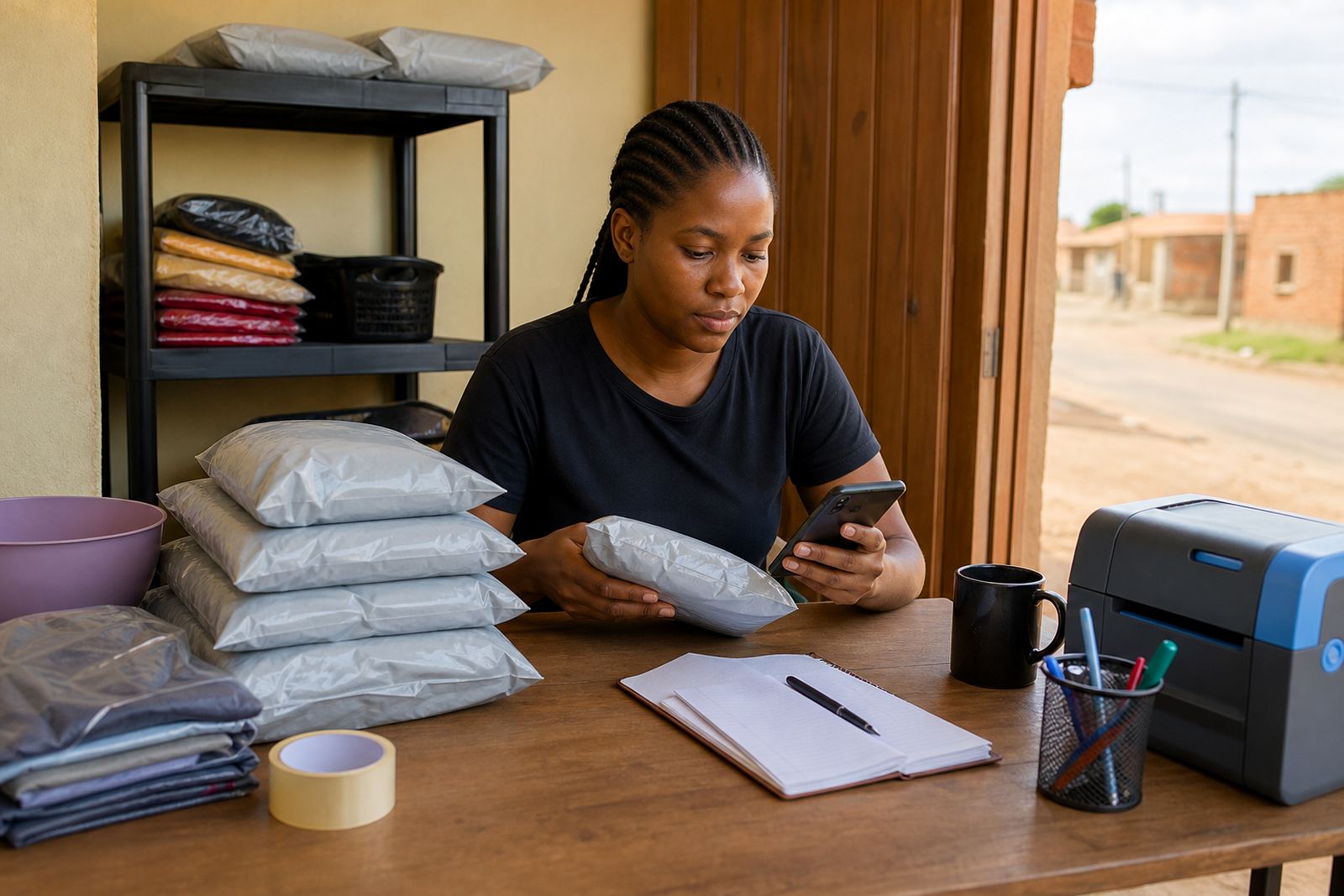
When traders want to sell beyond their immediate neighbourhood, parcel delivery can open more of South Africa without changing the store too much. This suits packaged items that can travel in a box or sleeve, such as clothing, accessories, stationery or non-fragile goods. The delivery page should explain whether the customer pays the courier cost, whether it is added at checkout or confirmed later on WhatsApp.
For customers in another province, the most important details are the delivery address, a working phone number and a clear description of the parcel. If the order is going to Cape Town from Johannesburg, for example, the trader should check that the packaging is strong enough for long transit and that the customer knows when the parcel is likely to leave the shop. Coastal humidity in Durban or Gqeberha can also affect packaging, so a sealed bag or moisture-resistant wrap can help keep stock clean.
- Use strong boxes or bags that suit the item size
- Add the customer name and order number on the parcel
- Tell customers if they must sign for the parcel
- Check whether the item can travel safely in heat or damp weather
Payments, proof and handover checks
Delivery and collection work better when the payment method is linked to the order method. A customer paying by card or transfer may want the parcel released only after payment is confirmed, while cash on collection may suit nearby buyers who visit the shop in person. WhatsApp orders should make this clear from the start so there is no confusion at handover.
It also helps to keep a simple checklist for each order. Write down what was ordered, how it was paid for, where it must go and who handed it over. That record matters when there are several orders in one day, especially for traders managing home deliveries alongside in-store sales and market trading.
- Match each parcel to a paid order or approved collection
- Keep a note of date, amount, delivery method and recipient
- Confirm the customer name before releasing the parcel
- Check with SARS or a qualified adviser on tax records linked to payments
A plain delivery page that customers can follow
A delivery page should answer the practical questions without overloading the customer. The best pages are short, easy to scan and written in everyday language. For informal traders, that usually means listing the delivery areas, collection option, payment methods and any limits on size or fragile goods. If the store sells across Johannesburg, Durban or Pretoria, the page can mention local zones rather than trying to cover every street.
Keep the wording consistent across the home page, product pages and WhatsApp messages. If the product page says collection is available, the delivery page should say where and when. If the store offers home delivery only on certain days, put that in writing. Small details like this help customers order with less back and forth, and the trader spends less time correcting mixed messages.
- Show delivery and collection choices in one place
- Use short headings such as local delivery, collection and parcel delivery
- Repeat the same fee or zone wording on every relevant page
- Review the page when stock, routes or payment methods change
When to choose one option over another
There is no single delivery method that suits every informal trader. Local hand delivery is often best for nearby customers and smaller baskets of goods. Collection works well when buyers are close by and want to save on transport. Parcel delivery suits traders who want to sell further afield or send stock to another city. The safest approach is to match the method to the item and the area, not to force every order into the same channel.
If a store sells food, cleaning goods or household basics, quick local delivery may be the neatest option. If it sells clothing or accessories, collection and parcel delivery may make more sense. The trader can set up the store so customers choose the method themselves, then confirm the details on WhatsApp before packing the order.
For traders in Soweto, Alexandra, Tembisa and nearby areas, that mix often works well because some customers want quick handover and others prefer to collect when they are already out. The point is to keep the order process moving in a way that suits the day.