
A Vosloorus shop with busy shelves and mobile buyers
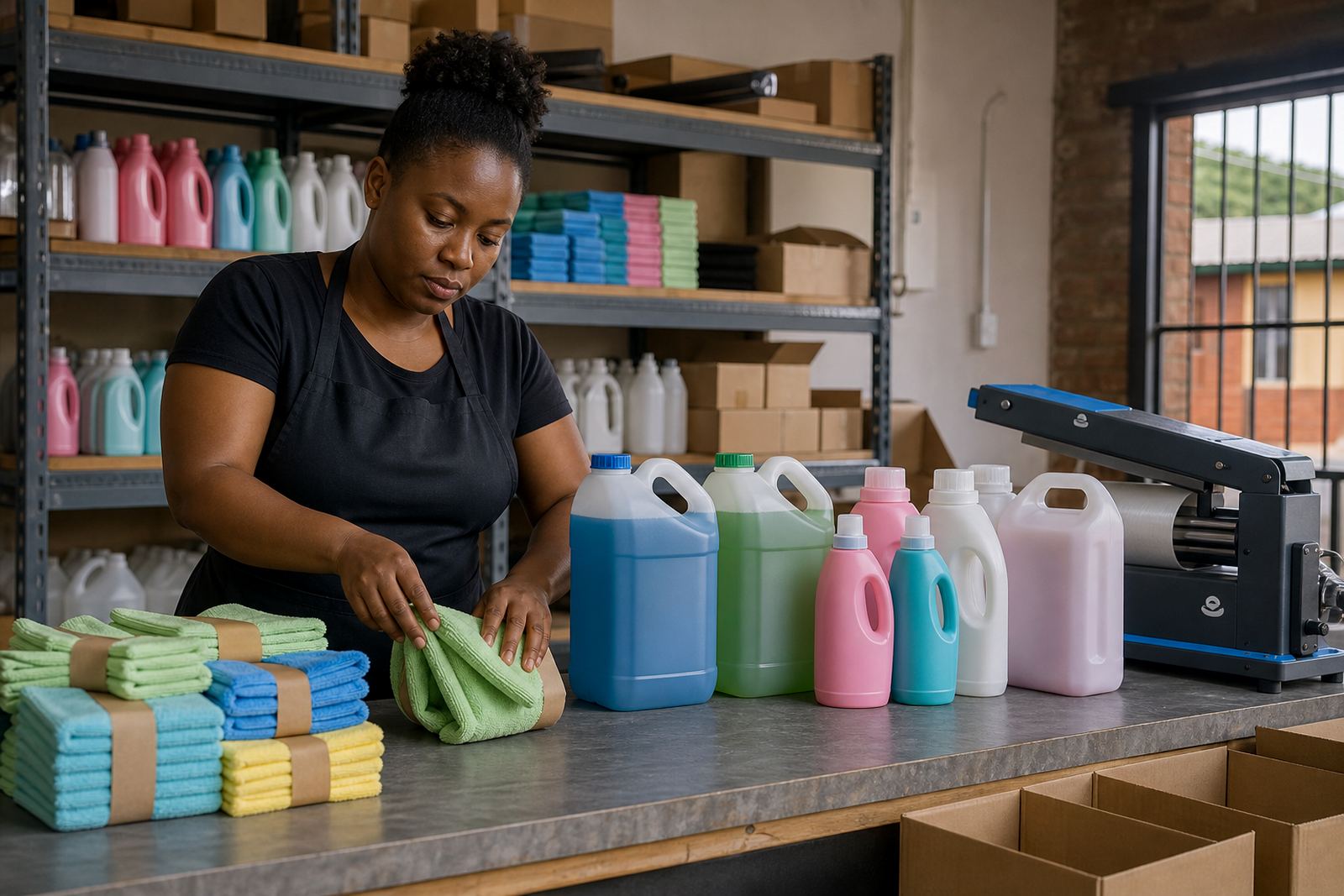
The client traded household cleaning goods from Vosloorus, Johannesburg and sold to nearby homes, tuckshop customers and small resellers. Most buyers were on their phones, so the store had to show fast details such as size, pack count, refill volume and whether a product was sold singly or in a box.
The brief was practical. Product pages needed to explain what each item was, how it was priced, and how a customer could order through WhatsApp if they did not want to go through a full checkout. The client also wanted the store to feel familiar to local shoppers, with delivery notes that made sense for Gauteng addresses, informal settlements and street delivery points.
The limits we had to work with
The biggest constraint was product information. Some items came in several pack sizes, but the existing listings did not separate them clearly enough. There were also mixed quality photos, a few missing measurements, and some products that needed better wording so shoppers could compare one bottle, a twin pack or a carton without confusion.
- Product details had to stay simple for first time online buyers
- Sizes had to be shown in litres, millilitres, tablets or units where relevant
- Prices needed to sit beside the size, not buried in paragraph text
- Payment and delivery notes had to stay general and easy to follow
- Any tax or compliance questions were left for SARS or a qualified adviser
We also kept the layout light enough for older Android phones and slow mobile data. For this kind of store, long blocks of text usually get skipped, so the page structure had to do the sorting work.
What we supplied for the store build
We helped shape the store pages around the way household cleaning goods are actually sold in South Africa. That meant putting the key facts first, then adding supporting copy for WhatsApp orders, payment options and delivery choices. The work focused on the shopfront pages rather than extra marketing wording.
- Product upload help for bottles, refill packs and multi-pack items
- Photo guidance for clean front labels, size shots and pack shots
- Pricing page help with size, unit count and price clearly shown
- WhatsApp order setup so buyers could send a quick message with the product name
- Payment info setup with generic card, EFT and mobile payment wording
- Delivery page setup for local drop off, collection and wider Gauteng delivery notes
- Store content writing for homepage, category text and product descriptions
The product copy used plain terms such as refill, pack, carton, spray bottle and bulk unit. That made it easier for shoppers to spot the difference between a 500 ml bottle and a 2 litre refill, or between a single unit and a small trade pack.
How the pages were arranged
We rebuilt the product flow so buyers could move from the home page to a category, then into a specific item, without having to guess sizes. Each listing opened with the item type, then the pack size and the price. Where there were options, the page showed them in a simple order, starting with the smallest unit and moving to the trade pack.
We also added a pricing structure that worked for cleaning products with repeat sales. Refills were separated from ready to use bottles, and bundle options were written in a way that made the cost per pack easier to compare. For a small trader, that matters because customers often ask, “How much for the small one?” or “Is there a bigger pack?” before they buy.
- Clear headline for each product type
- Size line for litres, millilitres or count
- Short use note where it helped the shopper choose
- WhatsApp prompt for quick ordering from the product page
- Delivery note for nearby addresses and broader city delivery
Timeline and working pace
The project ran over three weeks. In week one, we reviewed the product list, grouped items into categories and sorted out which listings needed new photos or tighter wording. In week two, we worked through the product pages, added the pricing details and shaped the WhatsApp order path. In week three, we checked the content on mobile screens, tightened the delivery wording and made sure the page order followed a shopper's normal buying pattern.
The pace stayed measured because the store had a fair number of product variations. That kind of work is not about rushing pages out, it is about making sure a customer can tell the difference between a refill pouch and a bottle at a glance. Small listing errors can lead to the wrong order, especially when shoppers are sending messages from a phone while standing in a spaza queue or at home after work.
What changed after the update
Once the pages were cleaned up, the product range was easier to scan and the store felt more organised for mobile shoppers. Buyers could see what they were getting, how much it was, and how to place an order without hunting through long descriptions. The clearer layout also helped the trader present the business as a proper online shop rather than a loose list of items.
The main result was better product clarity. That usually means fewer back and forth questions about pack size, a simpler ordering process, and better confidence for people buying cleaning goods for home use or resale. It also gave the trader a cleaner base for future category additions, whether that means more household items, larger trade packs or separate delivery zones for other towns.
- Better separation between single units and bulk packs
- Clearer WhatsApp ordering path for phone based shoppers
- More useful product pages for repeat household items
- Cleaner presentation for local delivery and collection options
Practical points worth carrying forward
If a similar cleaning or household supply shop needs an online store, the strongest starting point is always the product detail. Good photos, clear pack sizes, and plain price wording matter more than clever copy. For refill goods in particular, customers want to know the size, the form, and whether the item is suitable for home use or trade buying.
We would use the same working method for another store of this type: sort the range first, write the sizes plainly, keep the payment and delivery notes short, and leave tax or compliance questions to SARS or a qualified adviser. That approach fits sellers in Vosloorus, Soweto, Alexandra, Tembisa and other busy parts of Johannesburg where customers often buy from a mobile screen and expect the details to be straight.
Key facts
| Project type | Household supply online store for a Vosloorus trader |
|---|---|
| Town | Vosloorus, Johannesburg |
| Main product focus | Cleaning goods, refill packs and household essentials |
| Order method | WhatsApp order setup plus online store pages |
| Delivery scope | Local drop off, collection and broader Gauteng notes |
| Build timeline | 3 weeks |